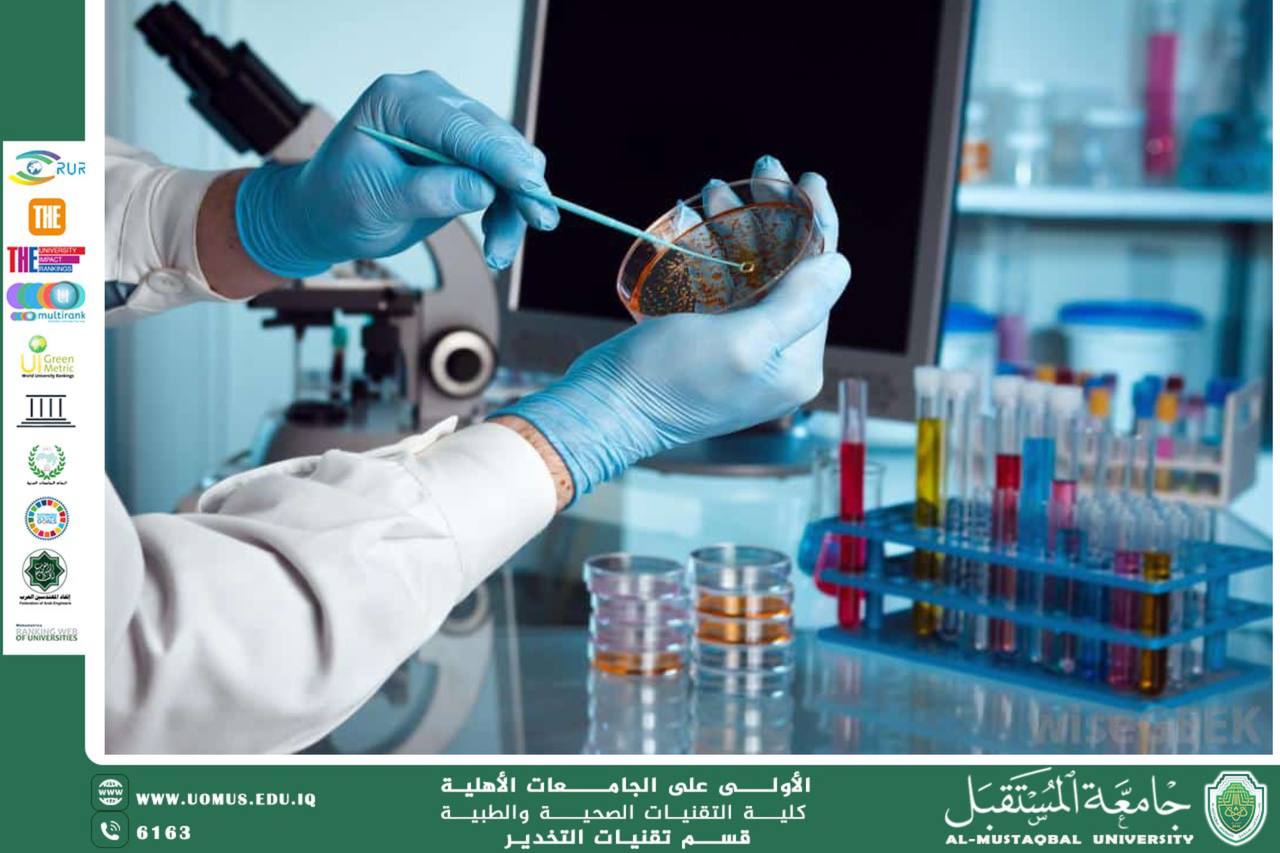
The Impact of Antibiotics on Laboratory Investigations
Antibiotics are a cornerstone of modern medicine, playing a critical role in treating bacterial infections and saving countless lives. However, their use can significantly influence laboratory investigations, affecting diagnostic accuracy, test results, and patient management. Understanding these effects is essential for healthcare professionals to interpret laboratory findings correctly and avoid misdiagnosis or inappropriate treatment.<br /><br />### 1. Interference with Microbial Cultures<br />One of the most direct effects of antibiotics is their interference with microbial cultures, a common laboratory investigation used to identify bacterial infections. When a patient is already on antibiotics, the drugs can suppress bacterial growth, leading to false-negative culture results. For example:<br />- Blood cultures: Antibiotics can reduce the sensitivity of blood cultures, making it difficult to detect bacteremia (bacteria in the bloodstream).<br />- Urine cultures: In urinary tract infections (UTIs), antibiotics may lower bacterial counts, resulting in a false-negative culture despite active infection.<br />- Sputum cultures: Antibiotics can mask the presence of pathogens in respiratory infections, complicating the diagnosis of pneumonia or tuberculosis.<br /><br />To mitigate this, healthcare providers should collect samples for culture before initiating antibiotic therapy whenever possible. If antibiotics have already been administered, laboratories may use techniques like antibiotic neutralization or resin-based systems to improve microbial recovery.<br /><br />---<br /><br />### 2. Alteration of Biochemical Markers<br />Antibiotics can also affect biochemical markers measured in laboratory tests, leading to misinterpretation of results. For instance:<br />- Liver function tests (LFTs): Some antibiotics, such as erythromycin and tetracyclines, can cause hepatotoxicity, elevating liver enzymes like ALT and AST.<br />- Renal function tests: Aminoglycosides and vancomycin are known to be nephrotoxic, potentially increasing serum creatinine and blood urea nitrogen (BUN) levels.<br />- Electrolyte imbalances: Certain antibiotics, like amphotericin B, can cause hypokalemia or hypomagnesemia, altering electrolyte panels.<br /><br />These changes may be mistaken for underlying disease processes rather than drug-induced effects, emphasizing the need for a thorough medication history when interpreting laboratory results.<br /><br />---<br /><br />### 3. Impact on Hematological Parameters<br />Antibiotics can influence hematological investigations, affecting both red and white blood cell counts:<br />- Anemia: Some antibiotics, such as chloramphenicol, can cause bone marrow suppression, leading to anemia or pancytopenia.<br />- Leukopenia or leukocytosis: Beta-lactams and sulfonamides may cause leukopenia, while other antibiotics can trigger an immune response, resulting in leukocytosis.<br />- Thrombocytopenia: Drugs like linezolid and rifampin have been associated with platelet suppression, leading to thrombocytopenia.<br /><br />These hematological changes can complicate the diagnosis of infections, inflammatory conditions, or hematological disorders.<br /><br />---<br /><br />### 4. Effects on Immunological Assays<br />Antibiotics can interfere with immunological assays, which are used to detect specific antibodies or antigens. For example:<br />- False-positive serological tests: Antibiotics may induce the production of autoantibodies, leading to false-positive results in tests for autoimmune diseases like lupus or rheumatoid arthritis.<br />- Altered antigen detection: In tests for infections like Helicobacter pylori or Clostridioides difficile, antibiotics can reduce bacterial load, affecting the accuracy of antigen detection methods.<br /><br />---<br /><br />### 5. Impact on Molecular Diagnostics<br />Molecular diagnostic techniques, such as polymerase chain reaction (PCR), are less affected by antibiotics since they detect genetic material rather than live bacteria. However, antibiotics can still influence results indirectly:<br />- Reduced bacterial load may lower the sensitivity of PCR-based tests.<br />- Antibiotics can alter the expression of bacterial genes, potentially affecting the detection of specific targets.<br /><br />---<br /><br />### 6. Drug-Drug Interactions and Laboratory Tests<br />Antibiotics can interact with other medications, leading to changes in laboratory results. For example:<br />- Warfarin and antibiotics: Drugs like metronidazole and ciprofloxacin can increase the anticoagulant effect of warfarin, elevating INR (international normalized ratio) levels.<br />- Oral contraceptives and antibiotics: Rifampin can reduce the efficacy of oral contraceptives, potentially affecting hormone levels measured in laboratory tests.<br /><br />---<br /><br />### 7. Microbiome Disruption and Long-Term Effects<br />Antibiotics can disrupt the gut microbiome, which has far-reaching effects on laboratory investigations:<br />- Vitamin deficiencies: Altered gut flora can impair the synthesis of vitamins like vitamin K and B12, affecting coagulation profiles and hematological tests.<br />- Metabolic changes: Microbiome disruption can influence glucose metabolism, lipid profiles, and other metabolic markers.<br /><br />---<br /><br />### Conclusion<br />The effects of antibiotics on laboratory investigations are multifaceted and can significantly impact diagnostic accuracy. Healthcare providers must consider a patient's antibiotic history when interpreting laboratory results and be aware of potential drug-induced alterations. By doing so, they can ensure accurate diagnoses, appropriate treatment decisions, and optimal patient outcomes. Collaboration between clinicians and laboratory professionals is key to navigating these challenges effectively.<br />د. سجاد علوان كتاب <br /><br /><br /><br />AL_mustaqbal University is the first university in Iraq<br /><br />