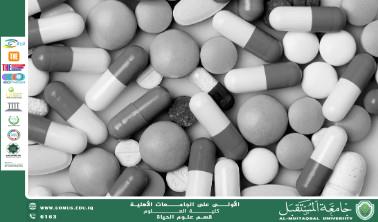
A scientific article by Ms. Noor al-Huda Azmi Hassan entitled "Drug Addiction"
Drug Addiction: Causes, Effects, Prevention and Treatment Methods<br /><br />Introduction<br />Drug addiction is a disease that negatively affects individuals on the mental, physical and social levels. Drug addiction is one of the most serious health problems facing societies around the world, as it causes destruction to individuals and their families, in addition to its significant impact on the economy and society. The causes that lead to addiction are many, and its effects are severe and complex. In this article, we will discuss the causes of drug addiction, its effects on health, and available methods of prevention and treatment.<br /><br />Causes of drug addiction<br />Biological and genetic factors:<br /><br />Studies indicate that people with a family history of addiction may be more susceptible to drug addiction. This is because some people may have a biological predisposition that makes them more susceptible to addiction.<br /><br />Psychological factors:<br /><br />Stress and psychological pressures, such as depression and anxiety, contribute to pushing individuals to resort to drugs as a means of escaping their psychological problems. In many cases, this leads to gradual addiction.<br />Social and environmental factors:<br /><br />The environment in which an individual grows up has a significant impact on the likelihood of their drug use. Friends and the surrounding community can encourage drug use, and poverty and unemployment can increase the likelihood of addiction.<br /><br />Cultural factors:<br /><br />In some cultures, drug use may be acceptable or even encouraged, making it easier for individuals to fall into the trap of addiction. Drug dealers also target vulnerable groups, such as young people.<br /><br />Health effects of drug addiction<br />Effects on the nervous system:<br /><br />Drugs directly affect the brain and nervous system, as they can cause changes in the structure and functions of the brain. One of the most important effects is the destruction of brain cells, which may lead to memory loss, mental deterioration, and psychological disorders.<br /><br />Effects on physical health:<br /><br />Drug use weakens the immune system, making a person more susceptible to disease. Some drugs, such as cocaine and marijuana, also cause respiratory and cardiovascular problems.<br />Psychological effects:<br /><br />Addiction exacerbates psychological problems, as the person suffers from depression and chronic anxiety, and may develop serious behavioral disorders such as aggression or distorted thinking.<br /><br />Social effects:<br /><br />Addiction is reflected in the individual's social relationships, as the addict suffers from difficulty communicating with family and friends. Addiction may also lead to loss of work, social relationships, and financial stability.<br /><br />Methods of preventing addiction<br />Education and awareness:<br /><br />Education and awareness about the dangers of drugs are among the most prominent methods of prevention. It is important for young people and society in general to learn about the health and social harms of addiction, which helps them make sound decisions.<br /><br />Promoting mental health:<br /><br />Supporting individuals psychologically by improving coping skills with stress and psychological problems is one of the best means of prevention. Psychological treatment and social support can reduce the desire to use drugs.<br /><br />Alternative activities:<br /><br />Providing alternative activities such as sports, arts, and volunteering helps young people distance themselves from drug use. When a person feels satisfied from positive activities, they are less likely to resort to drugs.<br />Family and social supervision:<br /><br />The availability of support and supervision from family and community reduces the chance of drug abuse. It is important for individuals in the community to be able to recognize the signs of addiction and act promptly.<br />Addiction treatment methods<br />Pharmacological treatment:<br /><br />Pharmacological treatments include medications that help reduce withdrawal symptoms, such as methadone for those addicted to heroin. Antidepressants or anti-anxiety medications can also be used to help addicts control symptoms of depression and anxiety.<br />Psychotherapy:<br /><br />Cognitive behavioral therapy is a common method of treating addiction, as it helps individuals change the thought behaviors that drive them to use drugs. This treatment also helps develop coping skills for life stresses.<br />Support groups:<br /><br />Supporting individuals in group therapy groups can be very helpful. These groups, such as Narcotics Anonymous, provide a social support environment where individuals share their experiences with others.<br />Social rehabilitation:<br /><br />Addicts need to be reintegrated into society after treatment, through rehabilitation programs that help them develop life and vocational skills that enable them to return to normal life.<br />Conclusion Drug addiction is one of the most prominent health and social challenges facing modern societies. Dealing with this problem requires comprehensive strategies that include prevention, treatment, and providing continuous support to addicts. Through awareness, improving mental health, and enhancing social adaptation, addiction rates can be effectively reduced. In addition, governments and social institutions must adopt strict policies to combat drug trafficking and provide the necessary treatment services to help recovery.<br /><br />"AL_mustaqbal University is the first university in Iraq"