
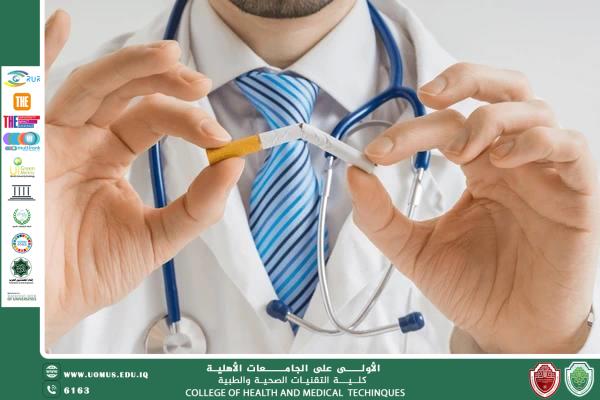
Anesthesia & Smoking: Practical Considerations..
Smoking poses significant risks for patients undergoing anesthesia, increasing the likelihood of complications both during and after surgery. Anesthesiologists must assess and manage these risks to improve patient outcomes.<br />How Smoking Affects Anesthesia<br /> 1. Airway and Respiratory Challenges<br /> • Smoking causes chronic inflammation of the airways, leading to increased mucus production and airway irritation.<br /> • Higher risk of bronchospasm, laryngospasm, and difficult intubation due to airway reactivity.<br /> • Reduced lung function increases the likelihood of atelectasis (lung collapse) and postoperative pneumonia.<br /> 2. Cardiovascular Risks<br /> • Nicotine and carbon monoxide in cigarettes reduce oxygen delivery by increasing carboxyhemoglobin levels.<br /> • Increased risk of hypertension, arrhythmias, and perioperative heart attacks due to vasoconstriction and reduced oxygen supply.<br /> 3. Impaired Wound Healing<br /> • Smoking reduces tissue oxygenation and collagen synthesis, leading to poor surgical healing and higher infection rates.<br /> • Increased risk of wound dehiscence (opening of the surgical wound(<br /><br />Practical Recommendations for Smokers Undergoing Anesthesia<br /> 1. Preoperative Smoking Cessation<br /> • Ideal cessation period: 4–6 weeks before surgery to improve lung function and reduce complications.<br /> • Even 24–48 hours of abstinence can reduce carboxyhemoglobin levels, improving oxygenation.<br /> • Use of nicotine replacement therapy (NRT) or medications like varenicline or bupropion may be beneficial.<br /> 2. Intraoperative Considerations<br /> • Difficult airway management: Prepare for potential intubation difficulties and consider fiberoptic intubation if needed.<br /> • Ventilation strategy: Use lung-protective ventilation (low tidal volumes, PEEP) to prevent postoperative pulmonary complications.<br /> • Monitoring: Increased vigilance for hypoxia, hypercarbia, and hemodynamic instability.<br /> 3. Postoperative Care<br /> • Aggressive pulmonary hygiene: Incentive spirometry, deep breathing exercises, and early mobilization to prevent atelectasis.<br /> • Pain management: Avoid excessive opioids, which can depress respiration; consider regional anesthesia or multimodal analgesia.<br /> • Smoking cessation support: Reinforce quitting strategies postoperatively to improve long-term health outcomes.<br /><br />Conclusion<br /><br />Smoking significantly complicates anesthesia and surgery, increasing respiratory, cardiovascular, and healing-related risks. Preoperative smoking cessation, tailored intraoperative management, and comprehensive postoperative care are essential to reduce complications and improve surgical outcomes.<br />BY<br />B.M.TECH<br />OSAMAH AZIZ<br />References:<br /> • American Society of Anesthesiologists (ASA) – www.asahq.org (https://www.asahq.org/)<br /> • Centers for Disease Control and Prevention (CDC) – www.cdc.gov (https://www.cdc.gov/)<br /> • World Health Organization (WHO) – www.who.int (https://www.who.int/)<br /><br />Al-Mustaqbal University is the first university in Iraq