
How Smart Devices Improve Patients' Quality of Life?(Programmer Aheeb Hashem Kareem).
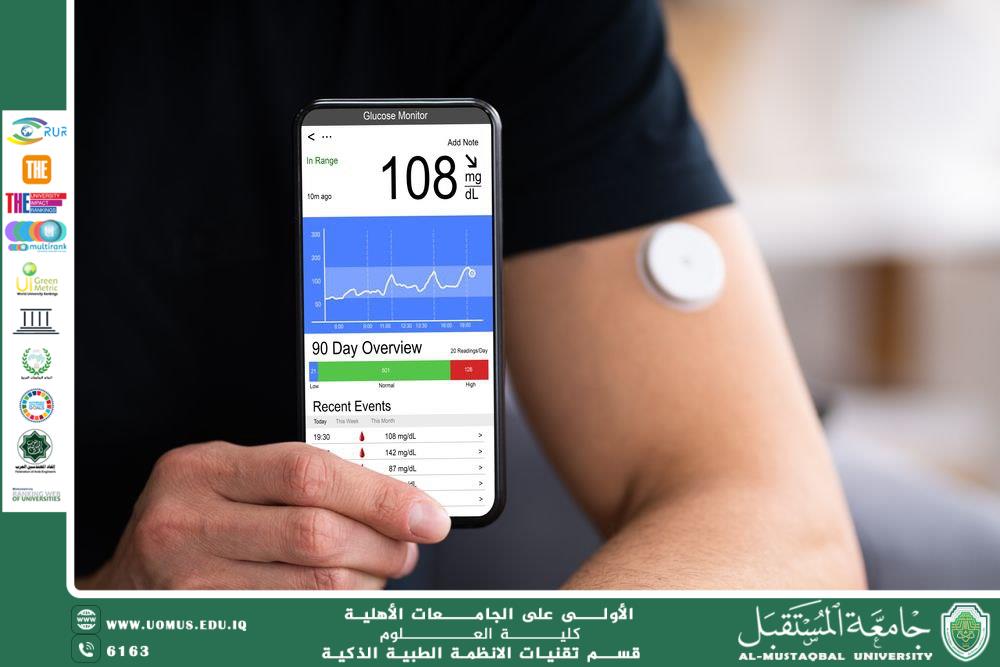
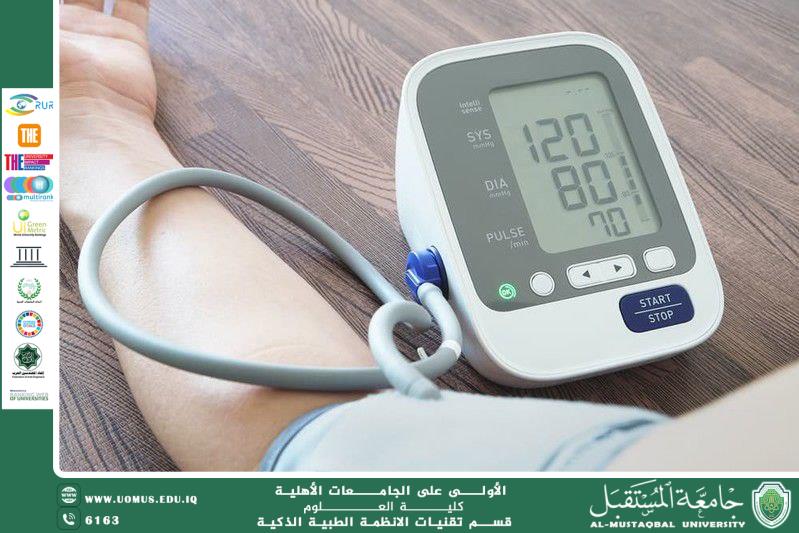
Smart devices have become essential in improving patients' quality of life by providing innovative ways to monitor and manage their health effectively. Through smart applications and wearable devices, patients can continuously track their health status, allowing for early detection of health issues and prompt intervention before complications arise. For example, smartwatches can measure heart rate, blood oxygen levels, and blood pressure, enabling patients to make informed health decisions based on accurate data.<br /><br />In addition, smart devices play a crucial role in medication and treatment management through reminder applications that help patients avoid missing their doses—an essential feature for those with chronic conditions like diabetes and hypertension. Recent advancements in artificial intelligence have further improved healthcare by analyzing medical data and predicting potential health risks, allowing doctors to intervene early and provide personalized care.<br /><br />Despite these benefits, several challenges hinder the widespread adoption of smart healthcare devices. Privacy and data security concerns remain significant issues, requiring stronger security measures to protect patient information. Additionally, the high cost of some devices limits accessibility, necessitating the development of more affordable technologies or healthcare system support. There is also a lack of awareness regarding the proper use of these devices, highlighting the need for educational campaigns to improve health literacy among users.<br /><br />Smart devices contribute to enhancing patients' quality of life by providing more personalized and efficient care. By addressing the challenges associated with their adoption, this technology can become a fundamental part of the future of healthcare.<br />Almustaqbal University is the first university in Iraq.