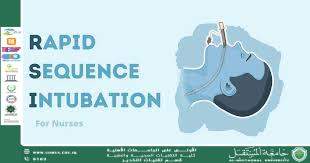
Rapid Sequence Anesthesia: A Critical Procedure for Airway Management
Rapid sequence anesthesia (RSA), also known as rapid sequence induction (RSI), is a specialized technique in anesthesiology designed to secure a patient's airway quickly and efficiently, primarily in emergency situations or when there's a high risk of aspiration. This article delves into the intricacies of RSA, exploring its indications, procedures, potential complications, and the critical role it plays in modern medicine.<br />Understanding the Need for RSA<br />The primary goal of RSA is to facilitate endotracheal intubation—inserting endotracheal tube into the trachea—while minimizing the risk of pulmonary aspiration. Aspiration occurs when stomach contents, such as gastric acid and food particles, enter the lungs, potentially leading to severe complications like pneumonia or acute respiratory distress syndrome (ARDS).<br />RSA is typically employed in situations where patients are at increased risk of aspiration. These include:<br />• Emergency situations: Trauma patients, individuals with altered mental status, or those requiring urgent surgery may have a full stomach, predisposing them to aspiration during intubation.<br />• Patients with certain medical conditions: Conditions like gastroesophageal reflux disease (GERD), obesity, hiatal hernia, or pregnancy can increase the risk of aspiration.<br />• Patients with difficult airways: In cases where traditional intubation might be challenging, RSA can provide optimal conditions for securing the airway.<br />The RSA Procedure: A Step-by-Step Guide<br />RSA is a carefully orchestrated sequence of actions, each designed to contribute to the overall success and safety of the procedure. The typical steps involved in RSA include:<br />1. Preparation: Before initiating RSA, the medical team gathers all necessary equipment, including an endotracheal tube, laryngoscope, suction equipment, oxygen supply, and medications. The patient's vital signs are closely monitored, and intravenous access is established.<br />2. Pre-oxygenation: The patient is given high-flow oxygen for several minutes to maximize oxygen reserves in the lungs. This is crucial because there will be a brief period during the procedure when the patient cannot be ventilated.<br />3. Induction: Anesthetic medications are administered to induce rapid unconsciousness. These drugs act quickly to ensure the patient is unaware and unresponsive during the intubation process.<br />4. Paralysis: A neuromuscular blocking agent is administered to relax the muscles, including those of the airway. This facilitates easier insertion of the endotracheal tube.<br />5. Cricoid Pressure: An assistant applies pressure to the cricoid cartilage in the neck. This maneuver, known as Sellick's maneuver, is intended to compress the esophagus and prevent stomach contents from regurgitating into the airway.<br />6. Intubation: The anesthesiologist uses a laryngoscope to visualize the vocal cords and guide the endotracheal tube into the trachea.<br />7. Confirmation: Once the endotracheal tube is in place, its position is confirmed using various methods, such as auscultation (listening with a stethoscope), capnography (measuring carbon dioxide levels), and chest X-ray.<br />8. Post-intubation Care: After successful intubation, the endotracheal tube is secured, and mechanical ventilation is initiated. The patient's vital signs are continuously monitored, and further care is provided as needed.<br />Potential Complications of RSA<br />While RSA is generally a safe and effective procedure, it is not without potential complications. These can include:<br />• Failed intubation: In some cases, it may be difficult to intubate the trachea, potentially leading to hypoxia (low oxygen levels) or other complications.<br />• Aspiration: Despite the precautions taken, aspiration can still occur, especially if the patient has a difficult airway or other risk factors.<br />• Cardiovascular complications: The medications used in RSA can sometimes cause changes in heart rate and blood pressure, potentially leading to instability.<br />• Airway trauma: There is a risk of injury to the airway structures during intubation, which can result in bleeding or other issues.<br />• Bronchospasm: In patients with reactive airways, such as those with asthma, the procedure can trigger bronchospasm, making breathing difficult.<br />The Importance of Skill and Experience<br />RSA is a complex procedure that requires a high level of skill and experience on the part of the medical team. Anesthesiologists, and other healthcare providers involved in RSA must be thoroughly trained in airway management techniques, including intubation, medication administration, and the management of potential complications.<br />Conclusion<br />Rapid sequence anesthesia is a critical tool in modern medicine, enabling healthcare providers to secure a patient's airway quickly and safely in a variety of situations. While it carries some inherent risks, when performed by skilled and experienced professionals, RSA can significantly improve patient outcomes and potentially save lives. As medical knowledge and technology continue to advance, RSA techniques and protocols are likely to be refined further, ensuring even greater safety and efficacy in the future.<br />م.م نهى نوماس <br /><br />AL_mustaqbal University is the first university in Iraq<br /><br />