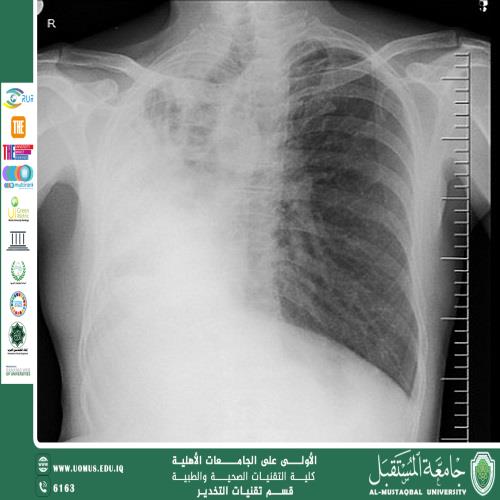
Lung Collapse Post-Intubation: Incidence and Prevention
Lung collapse, also known as atelectasis, is a potential complication following intubation, a procedure where a tube is inserted into the trachea to assist with breathing. While the incidence of lung collapse post-intubation can vary depending on factors like patient health and the specifics of the procedure, it's generally considered a relatively common occurrence, especially in certain patient populations.Incidence<br />Studies suggest that some degree of atelectasis can occur in up to 90% of patients undergoing general anesthesia, with a higher risk in those with pre-existing lung conditions, obesity, or prolonged surgical procedures. However, not all cases of atelectasis post-intubation are clinically significant. Small areas of collapse may not cause noticeable symptoms and resolve on their own.<br />Prevention<br />Several strategies can be employed to minimize the risk of lung collapse post-intubation:<br />• Careful Intubation Technique: Proper technique during intubation is crucial. This includes ensuring correct placement of the endotracheal tube, avoiding excessive force, and minimizing the duration of the procedure.<br />• Lung Protective Ventilation: If mechanical ventilation is required, using lung-protective strategies can help prevent atelectasis. This involves using lower tidal volumes (the amount of air delivered with each breath) and applying positive end-expiratory pressure (PEEP) to keep the alveoli (tiny air sacs in the lungs) open. <br />• Early Mobilization: Encouraging early mobilization after surgery or in the ICU setting can help prevent atelectasis. Movement helps to keep the lungs expanded and promotes the clearance of secretions. <br />• Deep Breathing Exercises: Deep breathing exercises can help to expand the lungs and prevent collapse. These can be taught to patients before surgery or initiated post-operatively. <br />• Pain Management: Adequate pain management is essential to facilitate deep breathing and coughing, which are important for preventing atelectasis. <br />• Suctioning: Regular suctioning of secretions can help to keep the airways clear and prevent mucus plugging, which can lead to lung collapse. <br />Additional Considerations<br />• Patient-Specific Factors: The risk of lung collapse post-intubation can be influenced by various patient-specific factors, such as age, underlying health conditions, and smoking history. <br />• Monitoring: Close monitoring of patients after intubation is essential to detect any signs of lung collapse, such as decreased oxygen saturation, increased work of breathing, or abnormal chest X-ray findings.<br />Research and Future Directions<br />Ongoing research is exploring new strategies for preventing and treating atelectasis, including:<br />Advanced Ventilation Techniques: Refining ventilator settings to minimize lung injury and promote lung healing.<br />Pharmacological Interventions: Investigating medications that can help prevent or reverse atelectasis<br />Conclusion<br />Lung collapse is a potential complication of intubation, but several strategies can be implemented to minimize the risk. By employing careful intubation techniques, lung-protective ventilation strategies, and encouraging early mobilization and deep breathing exercises, healthcare providers can help to prevent atelectasis and ensure optimal respiratory outcomes for patients. <br />م.م نهى نوماس <br /><br />AL_mustaqbal University is the first university in Iraq<br /><br />