The Next Revolution: Artificial Intelligence in Eye Care(Eng. Dr. Ali Sleem Halim).
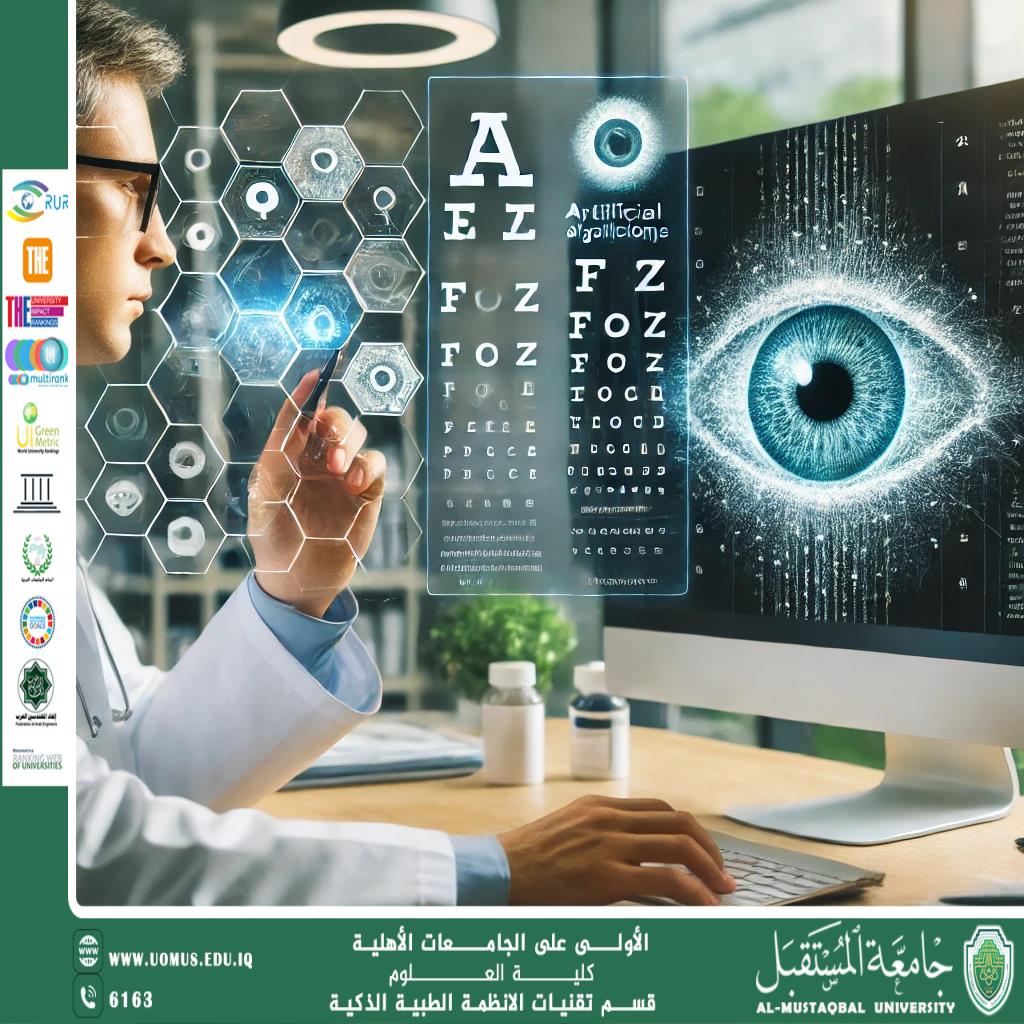
Artificial Intelligence in Eye Care: A Revolutionary Advancement<br /><br />Artificial intelligence (AI) is one of the most exciting modern technologies, bringing significant changes across various fields, including healthcare. In recent years, AI applications in eye care have gained attention due to their ability to enhance diagnostic accuracy and improve access to healthcare. This article explores how AI is being utilized in this field and its future implications.<br /><br />AI serves as a powerful tool in diagnosing eye-related diseases. Through machine learning techniques and artificial neural networks, AI-powered devices can analyze medical images faster and more accurately than traditional methods. For instance, in conditions such as diabetic retinopathy or glaucoma, AI can detect subtle structural changes in the eye that may be difficult for doctors to identify. These algorithms are trained on vast amounts of medical data, enabling them to provide quick and precise diagnoses.<br /><br />AI offers numerous benefits in eye care. Firstly, it enhances diagnostic accuracy by analyzing medical images and detecting fine patterns in the eye, leading to early detection of diseases like glaucoma and diabetic retinopathy. Secondly, AI saves doctors’ time by handling complex analyses swiftly, allowing them to focus on providing personalized care to patients. Additionally, AI accelerates decision-making processes in treatments. Thirdly, AI expands access to healthcare, particularly in remote areas where eye specialists are scarce. Through remote diagnostics, patients can receive accurate medical consultations without the need to travel long distances.<br /><br />Despite its advantages, AI adoption in eye care faces some challenges. Firstly, the success of AI algorithms relies heavily on the quality of the data they are trained on. Inaccurate or incomplete data can lead to incorrect diagnoses, making high-quality medical data essential. Secondly, some doctors still prefer traditional methods, despite AI’s effectiveness. Increasing awareness and training medical professionals to integrate AI into their practice is crucial. Thirdly, AI’s reliance on analyzing vast amounts of medical data raises concerns about patient privacy and data security. Strong measures must be in place to safeguard this information from potential threats.<br /><br />Despite these challenges, the future of AI in eye care remains promising. AI is expected to continue evolving, further enhancing its ability to improve diagnosis and treatment. By integrating AI with traditional medical examinations, healthcare providers can significantly improve the quality of life for many patients. In summary, AI will play a crucial role in the future of medicine, particularly in eye care, by improving diagnostic speed and accuracy while expanding healthcare accessibility.<br />Al-Mustaqbal University is the first one university in Iraq.