Wearable Technology: Can It Save Your Life (M.Sc. Qusai AL-Durrah).
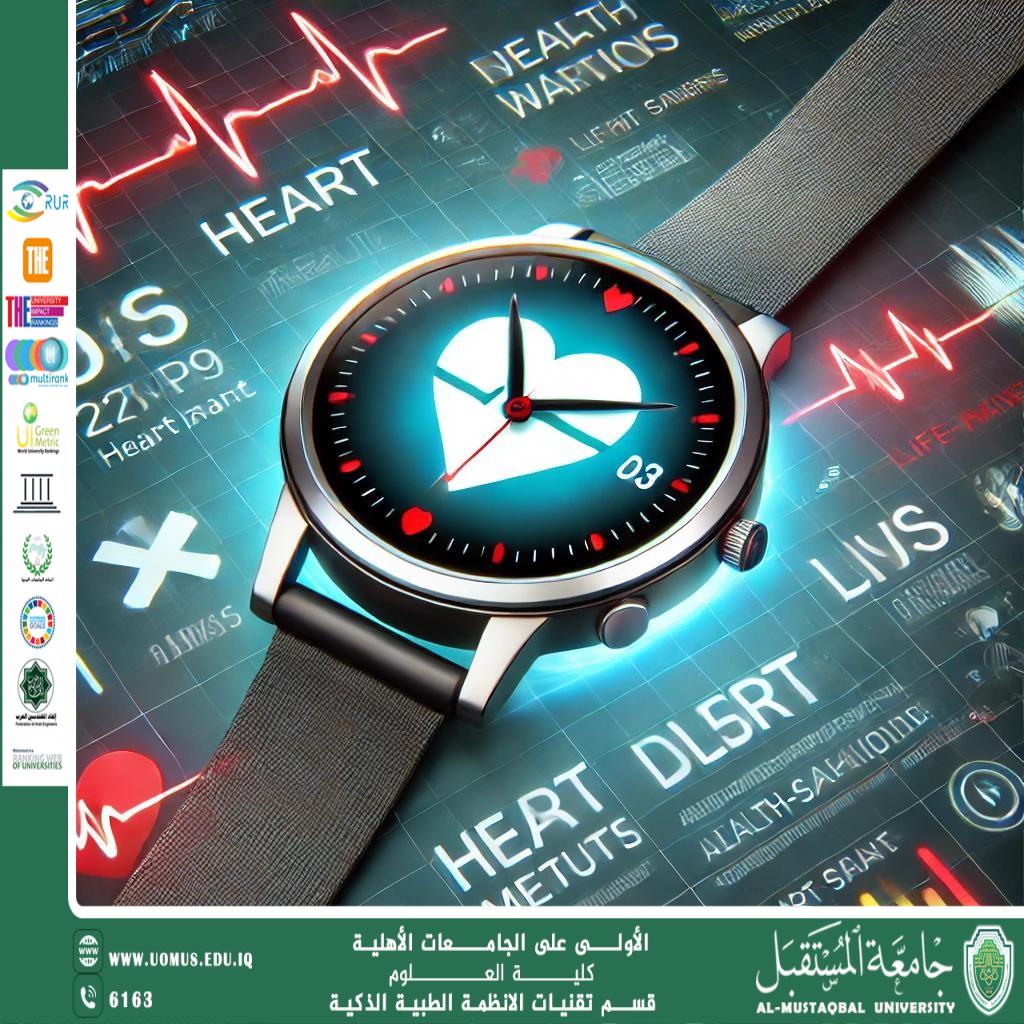
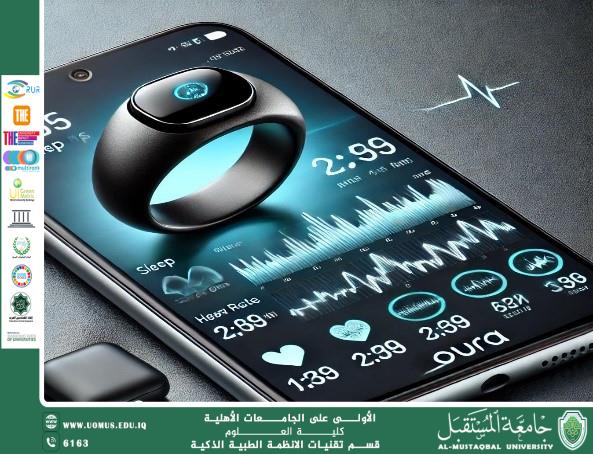
In today's modern era, wearable technology has become an integral part of our daily lives. Its role has evolved beyond merely tracking physical activity to becoming essential tools capable of saving lives. These devices are not just fashionable accessories; they provide advanced health services that can significantly impact individuals by monitoring vital signs and offering early warnings of potential health issues.<br />One of the most notable examples of this technology is smartwatches like the Apple Watch and Fitbit Sense, which monitor heart rates around the clock. These smartwatches are equipped with advanced sensors that detect irregularities such as atrial fibrillation—a condition that can lead to strokes if left untreated. When the watch detects abnormal activity, it sends an instant alert to the user, providing an opportunity to seek medical assistance before the condition worsens. Numerous cases have been reported where these devices have saved users’ lives through their precise alerts.<br />In addition to smartwatches, glucose monitoring devices like the Dexcom G7 play a crucial role in the lives of diabetic patients. These devices continuously measure blood sugar levels and alert users when levels deviate from normal ranges. This precise monitoring prevents severe complications such as loss of consciousness or organ damage. With wireless connectivity, data can be shared with family members or healthcare providers, facilitating rapid intervention when necessary.<br />Furthermore, wearable devices designed to analyze sleep quality, such as the Oura Ring, have revolutionized the understanding of sleep patterns and their impact on overall health. By measuring heart rate, body movements, and oxygen levels during sleep, these devices help detect disorders like sleep apnea, a condition that can lead to serious heart problems if untreated. By improving sleep quality, these devices enhance cardiovascular health and reduce the risk of chronic diseases.<br />The benefits of wearable technology extend beyond individuals, supporting doctors in diagnosing conditions and tracking treatment progress. For example, devices like KardiaMobile can perform electrocardiograms (ECGs) at home, enabling doctors to identify heart problems without the need for frequent hospital visits. Additionally, the ability to share health data through connected apps allows doctors to monitor patients’ conditions remotely, reducing diagnosis time and accelerating the start of treatment.<br />Thanks to these innovations, healthcare is no longer confined to clinics and hospitals but is accessible around the clock, right at everyone’s fingertips. As this field continues to advance, wearable devices are expected to become even more accurate and effective, further increasing their ability to save lives and improve quality of life. In conclusion, wearable technology is not just a tool for health monitoring; it is a trusted partner that can make a real difference in the lives of everyone.<br />Al-Mustaqbal University is the first one university in Iraq.<br />