The AI Revolution in Medicine: New Innovations Changing the Future of Healthcare(huda khudair hani).
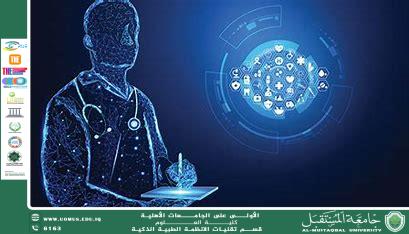
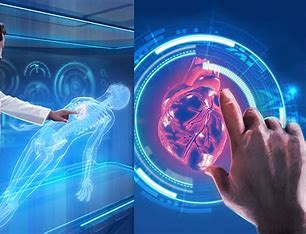
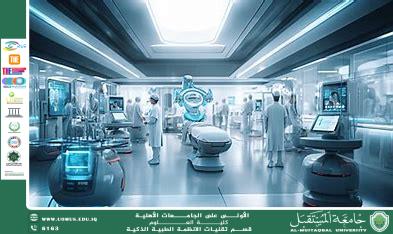
The healthcare sector is undergoing a radical transformation thanks to the innovations brought about by artificial intelligence (AI). This technology has not only improved the patient experience but has also contributed to fundamental changes in how healthcare is delivered, from diagnosis to treatment and ongoing care. AI has become an essential tool for accelerating medical processes and improving the accuracy of decisions made by doctors.<br /><br />Through the use of AI algorithms, it has become possible to identify diseases faster and more accurately, as AI systems analyze vast amounts of medical data that humans cannot process at the same speed or efficiency. Additionally, AI in medicine helps develop personalized treatments based on the patient’s genetic data and medical history, which enhances treatment effectiveness and reduces risks.<br /><br />One of the most notable benefits of AI in medicine is the improvement of surgical efficiency. AI-powered medical robots contribute to performing surgeries with high precision, reducing surgery time and enhancing recovery speed. Moreover, AI can improve hospital management by automating logistical and medical aspects, leading to better resource management and reduced errors.<br /><br />Achieving Sustainable Development Goals Through AI in Healthcare<br /><br />AI in medicine enhances access to high-quality healthcare, aligning with the third Sustainable Development Goal, which seeks to ensure healthy lives and promote well-being for all at all ages. With modern AI-powered technologies, patients in remote areas can receive accurate diagnoses and appropriate treatments without having to travel to major cities. Smart tools like telemedicine consultations and medical image analysis provide real-time healthcare, contributing to improving healthcare quality on a wide scale.<br /><br />The ninth goal of sustainable development, which relates to building infrastructure and fostering innovation, is clearly achieved through the growing applications of AI in the medical field. Technological innovations based on AI help build a stronger and more efficient healthcare infrastructure. They also contribute to the development of smart medical tools that rely on AI systems, enhancing the ability of healthcare institutions to cope with increasing challenges.<br /><br />Finally, AI contributes to achieving the thirteenth sustainable development goal, "Take urgent action to combat climate change and its impacts." One might wonder how AI relates to climate change, but it can be said that AI helps improve resource management more efficiently. For instance, AI can be used to analyze environmental patterns and predict diseases linked to climate change, which aids in a faster and better response to the increasing health threats posed by climate change.<br /><br />In conclusion, the AI revolution in medicine significantly enhances healthcare quality, contributing to the world’s ability to achieve sustainable development goals and building a healthy and prosperous society.<br /><br />Al-Mustaqbal University is the first one university in Iraq.