Polymers in Prosthetics: A Revolution in Medical Materials
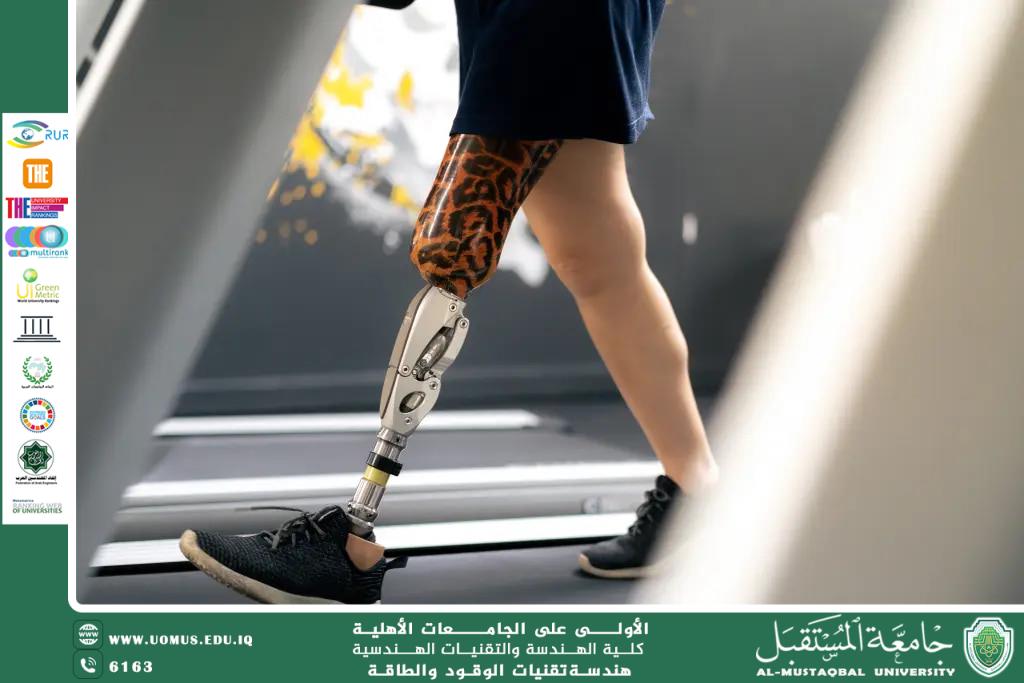
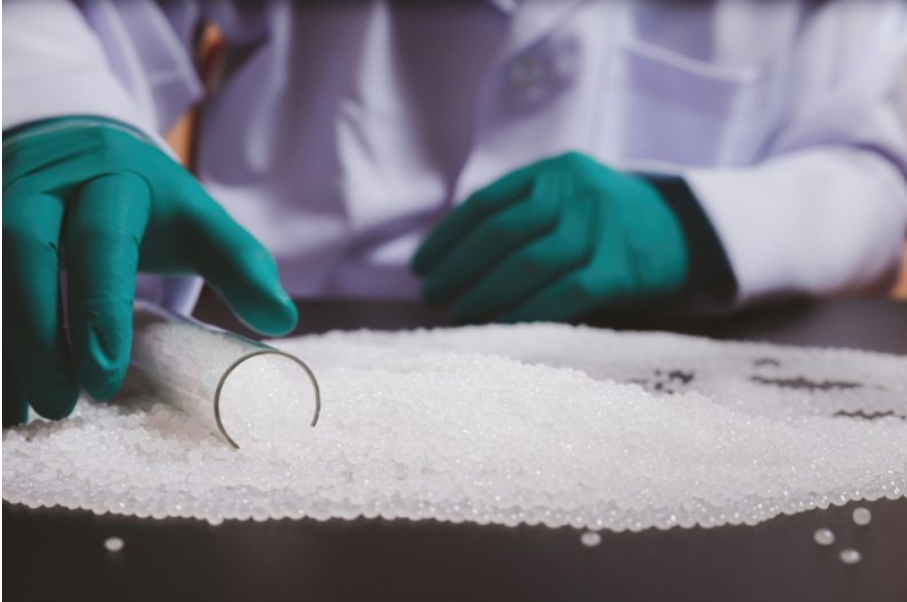
Polymers in Prosthetics: A Revolution in Medical Materials<br />By: Eng. Norhan Thamer Aasi<br />Prosthetic limbs are among the most significant medical inventions that have revolutionized the lives of millions around the world. Among the essential materials used in the production of these prosthetics, polymers play a pivotal role due to their unique properties that combine flexibility, durability, and customizability. Polymers offer numerous advantages, making them the ideal material for prosthetics, contributing to the improved functional performance of these devices.<br />Polymers Used in Prosthetics<br />1. Polyurethane (PU): Known for its high flexibility and resistance to wear and tear, making it an ideal choice for parts exposed to daily use.<br />2. Polyethylene (PE): Lightweight and strong, it is primarily used in the internal parts of prosthetics, helping reduce stress on the user.<br />3. Polycarbonate (PC): Provides exceptional strength against impacts and high pressures, making it perfect for prosthetics that require shock resistance.<br />4. Nylon (Polyamide): Resistant to wear and tear, it is used in structural parts that require stiffness and flexibility.<br />Advantages of Polymers in Prosthetics<br />• Lightweight: Polymers weigh less than metals, which increases user comfort.<br />• Flexibility and Customization: They can be molded to meet individual user needs.<br />• Durability: They withstand daily use without rapid wear, ensuring the longevity of prosthetic limbs.<br />• Customization: Polymers allow for the design of prosthetics that fit the user's shape and size.<br />Future Developments<br />Ongoing research in polymer development aims to improve their properties, such as adding shape memory, which allows the polymer to return to its original form after exposure to specific temperatures. Efforts are also being made to enhance the biocompatibility of these materials with human tissues to reduce immune reactions and improve user comfort.<br />Future Challenges and Potential Innovations<br />Despite the many advantages of polymers, there are still some challenges in their use in prosthetic manufacturing. One of the key challenges is achieving the ideal balance between durability and flexibility, so that prosthetics remain strong enough to withstand stress while being flexible enough to ensure comfort.<br />Additionally, ongoing research seeks to improve the interaction of polymers with human tissues by enhancing their biocompatibility. This would help reduce the chances of any negative reactions from the body, increasing the effectiveness of prosthetic limbs.<br />Conclusion<br />Polymers represent a core part of the revolution in prosthetic manufacturing. Thanks to their unique properties such as lightness, durability, and flexibility, polymers contribute to making prosthetics more comfortable and efficient. With continuous advancements in research and innovation, polymers are expected to play an even greater role in improving user experiences and meeting their growing needs.<br /><br /><br />Al-Mustaqbal University – The First University in Iraq