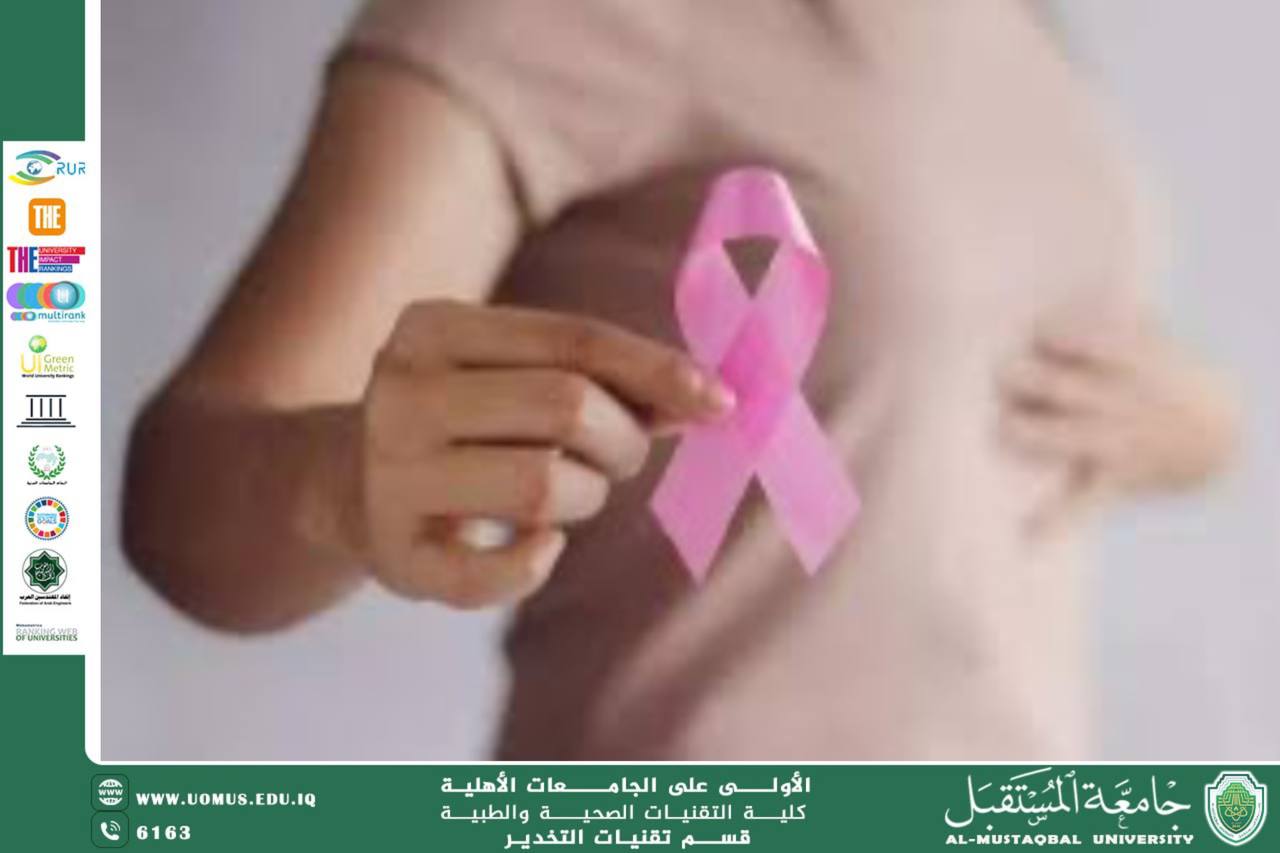
Breast Cancer .
Breast cancer is one of the most prevalent cancers among women globally. It arises when cells in the breast tissue grow uncontrollably, forming a tumor. While it primarily affects women, men can also develop breast cancer, though at a much lower incidence.<br /><br />Types of Breast Cancer<br /><br />There are several types of breast cancer, with the most common being:<br /><br />1. Ductal Carcinoma In Situ (DCIS): This is a non-invasive type where cancer cells are confined to the ducts of the breast.<br />2. Invasive Ductal Carcinoma (IDC): The most common type, where cancer cells invade surrounding breast tissue.<br />3. Invasive Lobular Carcinoma (ILC): This type originates in the lobules, which produce milk.<br />4. Triple-Negative Breast Cancer: A more aggressive type that lacks three common receptors, making it harder to treat.<br /><br />Risk Factors<br /><br />Several factors can increase the risk of developing breast cancer, including:<br /><br />- Genetic Factors: Mutations in genes such as BRCA1 and BRCA2 significantly increase the risk.<br />- Age: The risk rises with age, particularly after 55.<br />- Family History: A family history of breast cancer can elevate risk.<br />- Hormonal Factors: Early menstruation, late menopause, and hormone replacement therapy can influence risk.<br />- Lifestyle Factors: Obesity, alcohol consumption, and lack of physical activity are also linked to a higher risk.<br /><br />Symptoms<br /><br />Common symptoms of breast cancer include:<br /><br />- A lump or mass in the breast or underarm area.<br />- Changes in the size or shape of the breast.<br />- Skin changes, such as dimpling or redness.<br />- Nipple discharge or changes in the appearance of the nipple.<br /><br />Diagnosis<br /><br />Breast cancer diagnosis typically involves:<br /><br />- Mammography: An X-ray of the breast used for early detection.<br />- Ultrasound: To evaluate breast lumps.<br />- Biopsy: The definitive method for diagnosing breast cancer, where a sample of tissue is examined for cancer cells.<br /><br />Treatment Options<br /><br />Treatment for breast cancer depends on the type, stage, and individual patient factors. Common treatment options include:<br /><br />1. Surgery: Lumpectomy (removal of the tumor) or mastectomy (removal of one or both breasts).<br />2. Radiation Therapy: Often used post-surgery to eliminate remaining cancer cells.<br />3. Chemotherapy: Uses drugs to kill cancer cells, often administered before or after surgery.<br />4. Hormonal Therapy: For cancers that are hormone receptor-positive, medications can block hormones that fuel cancer growth.<br />5. Targeted Therapy: Involves drugs that specifically target cancer cells with particular characteristics.<br /><br />Conclusion<br /><br />Breast cancer is a complex disease with various forms and treatment options. Early detection through regular screenings and awareness of risk factors can significantly improve outcomes. Ongoing research continues to enhance our understanding and treatment of breast cancer, offering hope to those affected by this disease.<br />احمد ابراهيم عباس <br /><br /><br />AL_mustaqbal University is the first university in Iraq<br /><br />