An article by the lecturer Nilofer Ali entitled(Allergic conjunctivitis)
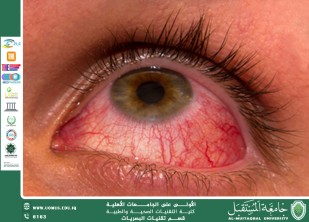
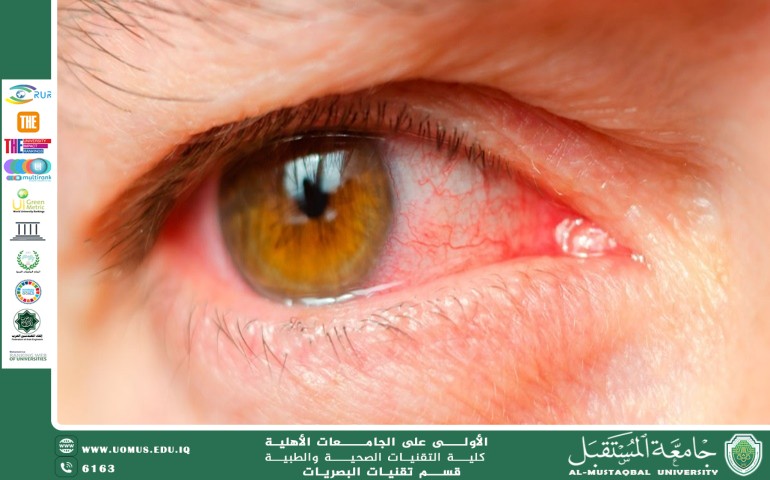
Allergic conjunctivitis is a widespread condition caused by an immune response to allergens that come into contact with the eyes. Common allergens include pollen, dust mites, animal dander, and mold. These allergens trigger the release of histamines in the body, which cause inflammation and irritation in the eyes. As a result, the conjunctiva, the thin membrane covering the eyeball and the inside of the eyelids, becomes inflamed. The symptoms of allergic conjunctivitis include itchy eyes, redness, watery eyes, swelling of the eyelids, and sensitivity to light. These symptoms can range from mild to severe and usually affect both eyes. Although the condition is not usually serious, it can be uncomfortable and disruptive to daily life, especially if left untreated . Diagnosis is based on a patient’s symptoms, medical history, and sometimes allergy tests, such as skin or blood tests, to identify specific allergens. A doctor may also perform a physical examination, including a slit-lamp test, to assess the extent of inflammation in the eyes. Treatment for allergic conjunctivitis focuses on relieving symptoms and preventing future flare-ups. The most effective way to prevent the condition is by avoiding exposure to allergens. This can include staying indoors during high pollen seasons, using air purifiers, and practicing good hygiene, such as washing hands after contact with pets . Pharmacological Treatment : (Oral and Topical):Oral antihistamines These help to block histamine, which is released during allergic reactions. Examples include loratadine. Topical antihistamine eye drops: These are applied directly to the eyes and can offer more targeted relief. Examples include olopatadine and ketotifen. Mast cell stabilizers : These medications prevent the release of histamine and other inflammatory chemicals from cells. They can help to prevent symptoms before they occur. Common examples are cromolyn sodium (eye drops) . Decongestant Eye Drops : These can provide temporary relief from redness by constricting blood vessels in the eyes. However, they should not be used for more than a few days to avoid rebound redness (e.g., naphazoline, tetrahydrozoline) . Corticosteroid Eye Drops (for severe cases): In rare or severe cases of allergic conjunctivitis, corticosteroid eye drops may be prescribed to reduce inflammation. However, these should be used cautiously and for short durations to avoid potential side effects like increased intraocular pressure or cataracts. Prevention while it may not always be possible to completely avoid allergens, certain steps can help reduce the likelihood of experiencing allergic conjunctivitis: allergen-proof your home , Wash your hands and face frequently , keep your windows closed during high pollen seasons , wear sunglasses outdoors . <br />Conclusion Allergic conjunctivitis is a prevalent and typically manageable condition. While it can cause discomfort and disrupt daily life, a variety of treatments are available to control symptoms and improve quality of life. Identifying triggers, along with the appropriate use of medications, can help individuals with allergic conjunctivitis lead normal lives without significant eye irritation. However, if symptoms persist or worsen, it is important to consult an eye care professional for further evaluation and management .<br /><br /><br />Al-Mustaqbal University is the top-ranked among private universities.<br />