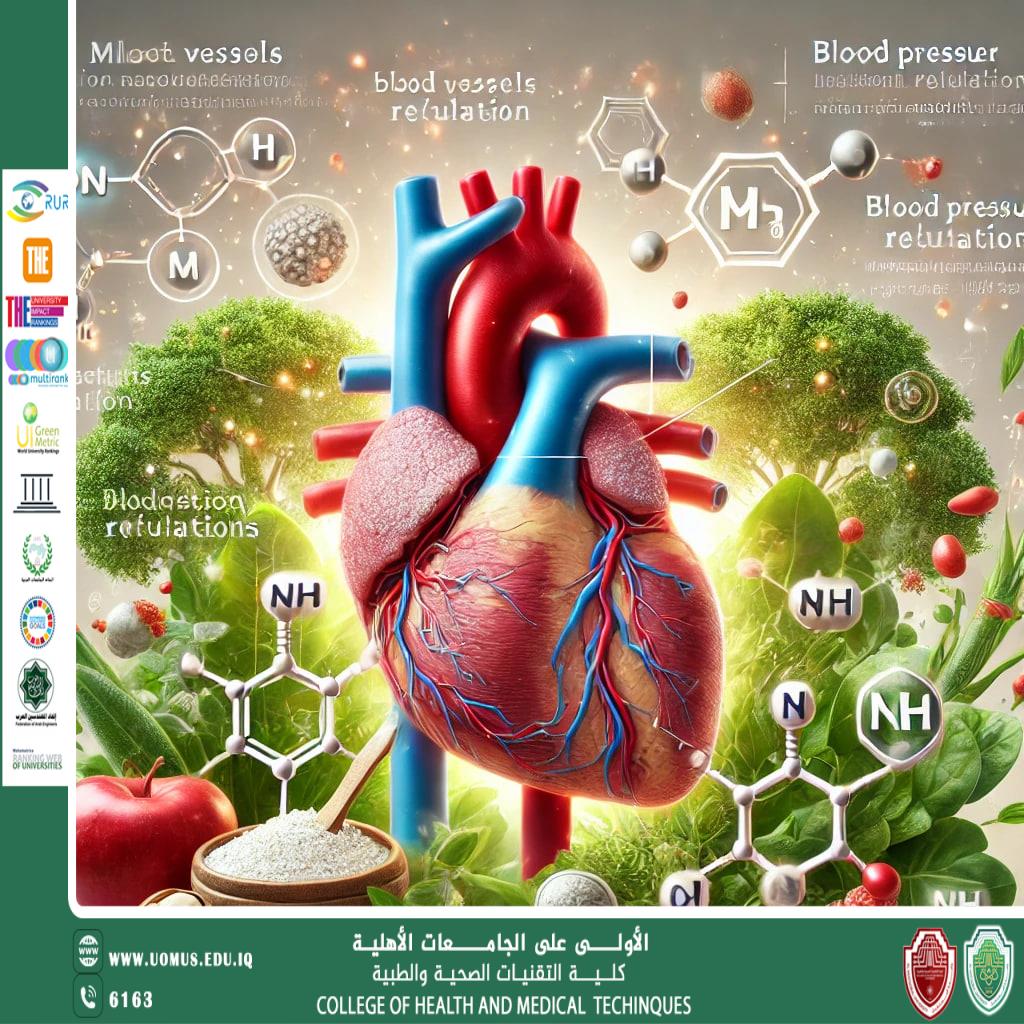
Magnesium for the prevention and treatment of cardiovascular disease
Magnesium is an essential mineral found in the body. It is naturally present in many foods and is also available as a dietary supplement.1 It serves as a cofactor in more than 300 enzymatic reactions, such as those responsible for regulating blood pressure, glycemic control and lipid peroxidation. It is therefore also critical to the cardiovascular system. The adult body contains approximately 24 g of magnesium, with 50% to 60% present in bones with the rest being contained in soft tissues. Serum magnesium represents less than 1% of total body magnesium. In industrialized western countries, a low intake of magnesium often predisposes to a high prevalence of magnesium deficiency increasing the risk of cardiovascular events and cardiovascular death. This article aims to review of effect of magnesium deficiency on the cardiovascular system.<br />Epidemiology<br />Despite the importance of magnesium for the proper functioning of the cardiovascular system, surveys and studies have shown that dietary magnesium intake is often inadequate in the USA, which is consistent with the pattern observed in North European countries. Several factors were thought to be contributory, including the loss of magnesium during food processing, low magnesium content of vegetarian diets, metabolic effects exerted by pregnancy, osteoporosis medication therapy, alcoholism, stress, as well as the differing magnesium content in water. Human dietary requirement for essential minerals such as magnesium is not precisely known. Based on earlier balance studies, recommended dietary magnesium intakes were 300 to 354 mg/day for American women and 420 to 483 mg/day for American men. However, other studies have indicated that around 180 mg of magnesium per day may be enough to maintain positive magnesium balance. Actual intakes in American women and men are approximately 228 mg/day and 331 mg/day, respectively. <br />Hypertension<br />Hypertension is a complex, multifactorial, heterogeneous disorder for which the exact etiology has yet to be elucidated. Clinical and experimental trials have suggested that magnesium may play a role in the pathogenesis of hypertension by affecting arterial smooth muscle contraction. Magnesium is found mainly at the inner surface of cell membranes. Therefore, it plays a role in cell membrane permeability for sodium and calcium. Magnesium activates the Na+–K+–ATPase pump, which plays a major role in regulating sodium and potassium transport by moving potassium into the cells and sodium out of the cells. Alterations in vascular membrane magnesium can also result in leaky arterial and arteriolar membranes, thus contributing to the intracellular reduction of potassium and the gain of calcium and sodium. Increased intracellular calcium can then lead to hypertension, vasospasm, as well as potentiation of vasoconstrictor agents. <br />The effect of magnesium supplementation on patients taking diuretics has been studied in several trials. Hattori et al looked at 20 patients with essential hypertension receiving long-term thiazide diuretic treatment and 21 age-matched untreated patients. The diuretic group received magnesium supplementation for 4 weeks. There were significant decreases in intra-erythrocyte sodium content and mean blood pressure, as well as increases in red cell magnesium content in the diuretic group who received magnesium supplementation. The effect of magnesium on blood pressure reduction was more evident in the nine patients who were unresponsive to diuretic therapy. <br />Cardiomyopathy<br />Magnesium deficiency has been implicated in the cause of cardiomyopathy in both animal models and studies involving humans. In animal models, hamsters fed a magnesium-deficient diet developed a cardiomyopathy with foci of myocardial necrosis, calcification and modest mononuclear and giant cell infiltration. Additionally, hamsters given nifedipine had a dose-dependent reduction in lesion abundance and diameter, while hamsters given digoxin produced a dose-dependent increase in lesion abundance and diameter. These results support the hypothesis that the lesions are secondary to calcium overload following an increase in myocardial sodium due to inhibition of the Na+–K+–ATPase and secondary sodium, calcium exchange in a magnesium-deficient state. In a different study involving Syrian male hamsters fed either a magnesium-deficient diet or identical diet supplemented with 100 mmol/kg of MgCl, animals were found more vulnerable to ischemia-induced damage to the heart when magnesium deficient at the time the animals were sacrificed. The release and effects of catecholamine’s have been shown to intensify during cellular magnesium depletion. The detrimental effect of catecholamine excess and magnesium deficiency has been found to be synergistic in the myocardium. In rabbits, magnesium supplementation has been found to reduce the ultrastructural features of myocardial damage induced by epinephrine injection without an effect on changes in intracellular distribution of calcium induced by epinephrine. <br />In humans, studies also support the role of magnesium in cardiomyopathy. Patients with hypoparathyroidism can manifest cardiomyopathy, which responds to magnesium supplementation. Cardiomyopathy and magnesium deficiency are commonly observed in patients with heavy alcohol consumption. Additionally, people who live in low magnesium equatorial areas, and those consuming a magnesium-deficient diet, have developed spontaneous endomyocardial fibrosis of undetermined etiology. <br />Sudden cardiac death<br />A link between magnesium deficiency and sudden cardiac death has been suggested by a number of studies published over the past few decades. Data from epidemiological, autopsy, clinical and animal studies suggest that sudden cardiac death is more common in areas where community water supplies are low in magnesium content. Additionally, myocardial magnesium content is found to be low in patients who died of sudden cardiac death. Sudden cardiac death secondary to magnesium deficiency may be secondary to cardiac arrhythmias and coronary artery vasospasm. Finally, repletion of magnesium has been found to reduce the risk of arrhythmias and death after an acute myocardial infarction. <br />Magnesium likely predisposes to sudden cardiac death through several mechanisms. First, magnesium deficiency sensitizes the myocardium to toxic effects of various drugs as well as to hypoxia. Therefore, magnesium supplementation may have significant cardioprotective effects. Second, magnesium activates the Na–K–ATPase, which may be inhibited by non-glucose fuels such as lactate and free fatty acid in the setting of ischemia. Third, deficiency in magnesium may also lead to chronic electrical instability of the myocardium by affecting the sodium and calcium flow into the cells. A fourth potential mechanism is via the effect of hypomagnesaemia on vascular tone. In in vitro experiments, extracellular magnesium ions have been found to exert a profound beneficial influence on the contractility and reactivities of the arteries, arterioles and veins from a number of regional vasculatures and in several mammalian species, including humans. Hypomagnesaemia has also been observed to increase the contractile activity of a variety of neurohumoral substances and to potentiate vasospasm, likely by controlling the entry and distribution of calcium ions into the cells. Coronary vasospasm has thus been suggested as a possible mechanism of sudden cardiac death. Other experiments have taken isolated coronary arteries from dogs and exposed them to different concentrations of magnesium in the medium. High concentrations of magnesium were found to decrease the basal tension of the coronary arteries, whereas sudden withdrawal of magnesium increased the contractile function of both small and large coronary arteries. Similarly, Altura also found that lowering the magnesium contents around perfused arterioles can lead to spontaneous vasoconstriction as well as increased arteriolar resistance, tissue ischaemia and reduced venous outflow. Lastly, the concentration of circulating vasoconstrictor hormones, such as angiotensin, serotonin and acetylcholine, are increased when extracellular magnesium is lower than normal. It is possible that hypomagnesaemia produces progressive vasoconstriction and vasospasm, which then leads to ischaemia, giving rise to sudden cardiac death overtime.<br />Ways to supplement magnesium as a possible method to reduce sudden cardiac death include changing dietary habits to include magnesium-rich foods, adding magnesium to community water supplies, fortifying foods with magnesium as well as oral supplementation. More prospective, large-scale studies are needed to study the effect of magnesium supplementation as a means of primary prevention for sudden cardiac death.<br />Magnesium and mitral valve prolapse<br />The mechanism of mitral valve prolapse has not been fully elucidated. However, magnesium deficiency has been proposed to be related to mitral valve prolapse syndrome. In a study comparing 49 subjects with mitral valve prolapse to age-matched and gender-matched subjects without mitral valve prolapse, both groups were found to have similar serum magnesium levels. However, subjects with mitral valve prolapse had lower magnesium levels in the lysate of their lymphocytes. The results suggest that lymphocyte magnesium deficiency may play a role in mitral valve prolapse. In a separate study by Licholdziejewska et al, serum magnesium levels in 141 subjects with heavily symptomatic mitral valve prolapse and 40 healthy subjects were compared. The group found that many patients with heavily symptomatic mitral valve prolapse have low serum magnesium, and magnesium supplementation leads to improvement in most symptoms such as chest pain, dyspnoea, weakness, palpitations and anxiety along with a decrease in catecholamine excretion. Further studies are needed to further elucidate the relationship between magnesium deficiency and mitral valve prolapse syndrome.<br />Diabetes and glycaemic control<br />Magnesium deficiency has also been implicated in the pathogenesis of diabetes and poor glycemic control. In animal models, magnesium deficiency as well as excess sucrose intake has been shown to be associated with the generation of reactive oxygen species. When male Wistar rats were divided into groups fed control, low-magnesium, high-sucrose and low-magnesium high-sucrose diet for a period of 3 months, the rats fed high sucrose and low magnesium diet were found to have significantly higher levels of lipid peroxidation in the plasma and liver tissue; however, the same effect was not observed in the other groups. These findings suggest that a diet low in magnesium and high in sucrose causes oxidative stress in rats, as reflected by increased lipid peroxidation and reduced antioxidant potential. In humans, randomised double-blind placebo-controlled trials have been done to study the effect of magnesium deficiency in diabetic patients. In a study conducted by Simental-Media et al, 62 men and non-pregnant women with a diagnosis of pre-diabetes and hypomagnesaemia were enrolled in the double-blind, placebo-controlled trial to receive either magnesium supplementation or placebo. At the end of the trial, subjects receiving magnesium supplementation were found to have higher levels of serum magnesium, as well as lower levels of high-sensitivity C reactive protein. In a separate randomised controlled trial, Guerrero-Romero et al showed that supplementation of oral magnesium in subjects with pre-diabetes and hypomagnesaemia improved glycaemic control. At the end of the follow-up period, subjects in the treatment group had significantly lower fasting and post-load glucose, homeostatic model assessment for insulin resistance indices and triglycerides, whereas HDL cholesterol and serum magnesium levels were significantly increased in those receiving magnesium supplementation. Remarkably, a total of 50.8% of those in the magnesium treatment group improved their glycaemic level compared with only 7% in the placebo group. <br />Stroke<br />Hypomagnesaemia has also been found to be a risk factor for cerebrovascular events and complications. Szabo et al found that a slight decrease in extracellular magnesium from 1.2 to 0.8 mM resulted in sustained relaxation when the endothelium was intact; however, when the endothelium was interrupted, the slight reduction in magnesium resulted in elevation of vascular tone. These results suggested that magnesium modules human cerebra-arterial tone through an endothelium-derived relaxing factor rather than by altering smooth muscle tone directly, and magnesium deficiency appears to drive endothelial dysfunction and hence atherosclerosis<br />Conclusion<br />Magnesium plays an important role in cardiovascular health. It is instrumental for the proper maintenance of cellular membrane potential, functioning of the mitochondria and plays a key role in the body’s antioxidative pathways. As a result, magnesium deficiency can lead to serious morbidity and mortality, and has been implicated in multiple cardiovascular diseases such as hypertension, cardiomyopathy, cardiac arrhythmia, atherosclerosis, dyslipidaemia and diabetes. Unfortunately, the western diet is often low in magnesium due to the refining and processing of foods, and hypomagnesaemia is often underdiagnosed in hospitalised patients. Studies have suggested that prompt diagnosis and timely supplementation of magnesium may be beneficial in patients with certain cardiac conditions. However, more prospective, randomised controlled trials are needed to be able to further elucidate the value of magnesium as a therapy to prevent or reverse some of the aforementioned cardiovascular conditions.<br /><br />د. فرقد صالح<br /><br />AL_mustaqbal University is the first university in Iraq