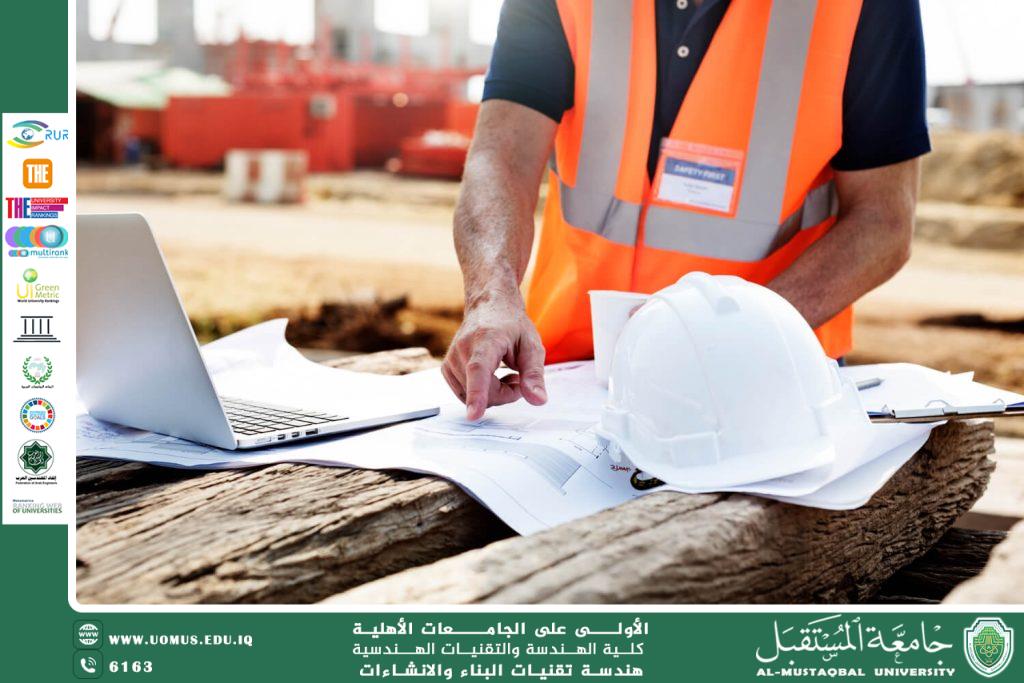
Safety Standards in Construction Sites: Necessity or Luxury?
Introduction<br />The construction sector is one of the most hazardous industries, where workers and supervisors are exposed to multiple risks such as falls from heights, structural collapses, and exposure to harmful chemicals. With the growing awareness of workplace safety, adhering to safety standards in construction sites has become a necessity rather than a luxury.<br /><br />The Importance of Safety Standards in Construction Sites<br />Protecting Lives and Reducing Accidents<br />Safety measures in construction sites are crucial to preventing accidents that could lead to severe injuries or fatalities, ensuring a secure working environment for all employees.<br /><br />Enhancing Productivity and Efficiency<br />When workers feel safe, they can work with greater confidence and focus, leading to improved work quality, increased productivity, and fewer delays caused by accidents.<br /><br />Reducing Financial Costs<br />Neglecting safety standards can result in high financial costs, including compensation for injuries, project delays, and equipment repairs, negatively impacting the project's budget.<br /><br />Compliance with Laws and Regulations<br />Governments and international organizations enforce strict regulations to ensure worker safety in construction sites, such as OSHA (Occupational Safety and Health Administration) and ISO 45001 standards. Failure to comply with these regulations can result in heavy fines and legal penalties.<br /><br />Key Safety Standards in Construction Sites<br />Use of Personal Protective Equipment (PPE)<br /><br />Hard hats for head protection.<br />Slip-resistant boots.<br />Gloves and safety goggles to protect against chemicals and debris.<br />Safety harnesses when working at heights.<br />Training Workers on Safety Procedures<br /><br />Educating workers on how to handle potential hazards.<br />Providing training courses on the safe use of equipment and materials.<br />Securing Work Sites<br /><br />Placing warning signs in hazardous areas.<br />Installing barriers and guardrails to prevent falls from heights.<br />Ensuring scaffolding is stable and secure.<br />Regular Inspection and Maintenance of Equipment<br /><br />Conducting routine checks on tools and equipment to ensure safety.<br />Maintaining heavy machinery to prevent sudden failures.<br />Establishing Emergency and Accident Response Plans<br /><br />Equipping construction sites with first aid teams.<br />Developing clear evacuation plans in case of emergencies.<br />Are Safety Standards a Necessity or a Luxury?<br />Some companies may perceive safety standards as costly and unnecessary, but in reality, they are a long-term investment that prevents financial and human losses. Prioritizing worker safety enhances the company's reputation, attracts more projects, and ensures continuous operations without legal risks or unexpected disruptions.<br /><br />Conclusion<br />Safety standards in construction sites are an absolute necessity to ensure a secure working environment, minimize risks, and protect workers from injuries. Implementing these standards is not a luxury but a legal and ethical responsibility that all construction companies must uphold to safeguard individuals and sustain project success.