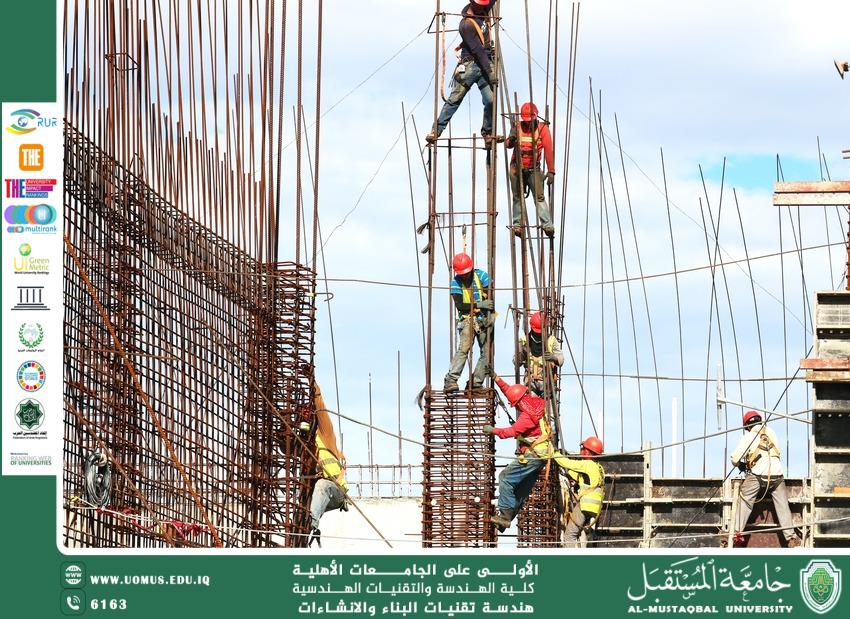
The Importance of Continuous Training for Construction Workers to Maintain Safety
The construction industry is one of the sectors that faces significant challenges in the area of safety. Work in this field is considered high-risk due to surrounding conditions such as heavy machinery, various tools, working at heights, and other factors that may lead to accidents. Therefore, training workers on how to handle these risks is of utmost importance in maintaining their safety and security while working. In this context, continuous training plays a vital role as an essential tool for reducing accidents and improving safety standards on construction sites.<br /><br />1. Raising Awareness of Potential Risks<br />Through continuous training, workers become aware of the potential hazards they might encounter while working. Such awareness helps reduce human errors, which are the primary cause of most accidents on construction sites. Workers learn how to prevent risks, whether related to tools, materials, or even environmental conditions.<br /><br />2. Developing Technical Skills<br />Training for workers is not limited to safety alone but also extends to improving their technical skills. Through continuous training, workers learn how to properly and safely use equipment and tools, reducing the likelihood of accidents caused by technical errors or improper use of machinery.<br /><br />3. Adapting to Modern Technology<br />Construction techniques are constantly evolving, and with the emergence of new equipment and technologies, it is essential for workers to receive continuous training to keep up with these developments. Continuous training allows workers to learn how to handle modern machinery and use advanced construction techniques, improving efficiency and reducing potential risks associated with unfamiliar technologies.<br /><br />4. Promoting a Safety Culture<br />Continuous training helps establish a safety culture on construction sites. When workers are regularly trained on the importance of safety, this culture becomes a part of the daily work environment, leading to more cautious and aware behaviors among workers. This also motivates everyone to follow guidelines and adopt safety practices consistently.<br /><br />5. Reducing Accidents and Injuries<br />Studies have shown that continuous training can significantly reduce the number of accidents and injuries on construction sites. By educating workers on proper preventive measures and how to handle emergency situations, they can respond quickly and effectively if an issue arises. This reduces the negative impact on workers' health and contributes to maintaining a safe working environment.<br /><br />6. Compliance with Regulations and Laws<br />Many countries enforce strict laws regarding safety on construction sites, requiring workers to undergo proper training according to legal standards. Continuous training helps companies comply with these laws, avoiding fines and penalties associated with non-compliance, and enhancing their reputation in the market.<br /><br />7. Improving Productivity and Mental Well-Being<br />When workers feel safe while working, it boosts their mental well-being, which positively affects their productivity and performance. A worker who is fully aware of safety procedures and confident in their ability to handle risks will work more efficiently and with less stress.<br /><br />8. Responding to Emergencies<br />Continuous training also includes teaching workers how to effectively respond in emergency situations, such as fires, falls from heights, or major accidents. Quick and efficient responses in such cases can make a critical difference in saving lives and minimizing damage caused by accidents.<br /><br />Conclusion:<br />Continuous training for construction workers is not just a tool for improving safety on worksites; it is a long-term investment that enhances performance quality and the final product. By training workers to handle risks, develop their skills, and adhere to safety standards, accidents and injuries can be minimized, leading to a safer and more productive work environment. From this perspective, safety should always be a priority on all construction sites, and this cannot be achieved without continuous training.