An Article "Islamic Art in India: The Mughal Influence on Architecture and Painting " By Assistant Professor Hassan Hadi Ansif
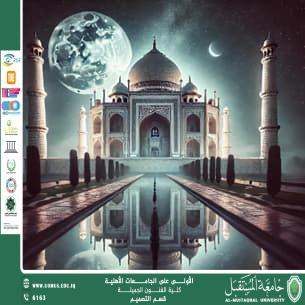
During the Mughal rule (1526–1857), Islamic art in India flourished, particularly in architecture and painting. The Mughals left a profound artistic legacy by blending Persian, Indian, and Islamic influences, leading to the development of distinctive styles in construction, mural painting, and manuscript illumination.<br />Mughal Influence on Islamic Architecture in India<br />Mughal architecture is one of the most significant aspects of Islamic art in India, influenced by Persian and Timurid designs but enriched with local Indian elements. Key features of this architectural style include:<br />• Taj Mahal (1632–1653): The most famous Mughal monument, built by Emperor Shah Jahan as a mausoleum for his wife, Mumtaz Mahal. It is renowned for its white marble construction, intricate geometric and floral decorations.<br />• Badshahi Mosque (1673): Located in Lahore, Pakistan, it is one of the largest mosques in the world, known for its exquisite wall decorations, massive domes, and towering minarets.<br />• Lahore Fort: A complex of palaces and decorative frescoes that showcase Mughal architectural and sculptural mastery.<br />• Red Fort in Delhi (1638–1648): An outstanding example of Mughal architecture, combining symmetrical layouts with multi-colored embellishments.<br />Mughal Influence on Painting<br />The Mughals significantly advanced the art of painting by introducing Persian techniques while incorporating unique Indian elements, leading to the rise of Mughal miniature paintings. Key features of this style include:<br />• Intricate detailing: Characters and landscapes are portrayed with extraordinary precision.<br />• Persian and Indian influences: Vibrant colors and elaborate Islamic ornamentation blend seamlessly.<br />• Depictions of royal life and historical scenes: Such as Emperor Akbar’s court paintings, illustrating his royal assemblies and military campaigns.<br />Conclusion<br />The Mughals played a crucial role in shaping Islamic art in India by merging Islamic traditions with Persian and Indian aesthetics. Their artistic contributions in architecture and painting remain iconic, reflecting the grandeur of their era and continuing to inspire artists and architects worldwide.<br /><br />Almustaqbal university , The number one university in Iraq<br />