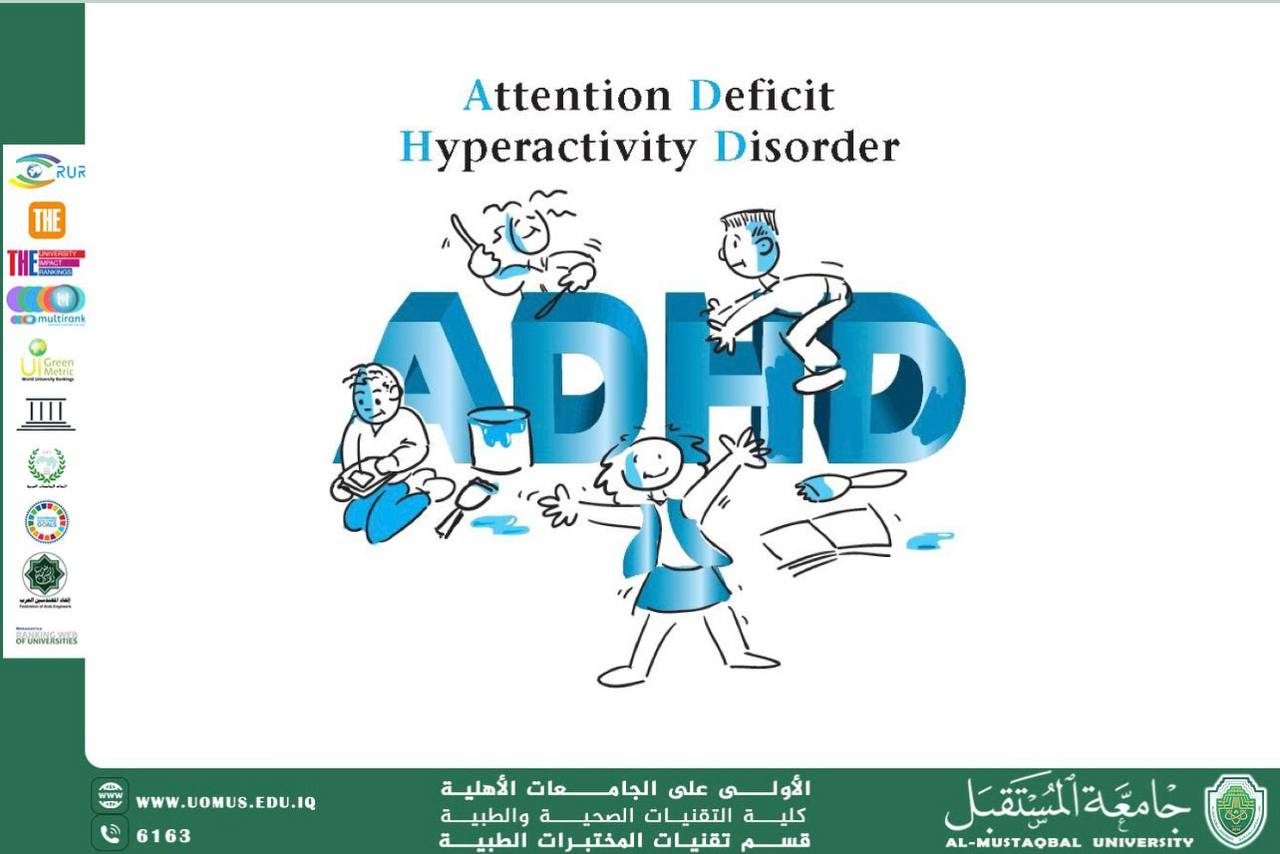
مقالة علمية للسيدة ندى سعدي بعنوان Attention-Deficit/Hyperactivity Disorder (ADHD): A Scientific Overview
<br /><br />Introduction<br /><br />Attention-Deficit/Hyperactivity Disorder (ADHD) is a neurodevelopmental disorder characterized by persistent patterns of inattention, hyperactivity, and impulsivity. It commonly begins in childhood and can continue into adulthood, affecting academic performance, work productivity, and social relationships.<br /><br />Causes and Risk Factors<br /><br />The exact cause of ADHD is unknown, but research suggests a combination of genetic, neurological, and environmental factors:<br /> • Genetics: ADHD tends to run in families, with studies indicating a strong hereditary component.<br /> • Brain Structure and Function: Imaging studies show differences in brain areas responsible for attention, impulse control, and executive function.<br /> • Neurotransmitters: Dopamine and norepinephrine imbalances are linked to ADHD symptoms.<br /> • Environmental Factors: Prenatal exposure to smoking, alcohol, or toxins, as well as premature birth, may increase the risk.<br /><br />Symptoms and Diagnosis<br /><br />ADHD symptoms fall into three main categories:<br /><br />1. Inattention<br /> • Difficulty sustaining attention in tasks or activities<br /> • Frequent careless mistakes in schoolwork or work<br /> • Forgetfulness in daily activities<br /> • Easily distracted by external stimuli<br /> • Poor organization and time management<br /><br />2. Hyperactivity<br /> • Constant fidgeting or restlessness<br /> • Difficulty staying seated for long periods<br /> • Talking excessively<br /> • Inability to engage in quiet activities<br /><br />3. Impulsivity<br /> • Interrupting conversations or activities<br /> • Acting without thinking<br /> • Difficulty waiting for turns<br /><br />Diagnosis<br /><br />ADHD is diagnosed through clinical evaluation based on criteria from the Diagnostic and Statistical Manual of Mental Disorders (DSM-5). Physicians assess symptoms across multiple settings (home, school, work) to ensure they are persistent and impair daily functioning.<br /><br />Types of ADHD<br /><br />ADHD is categorized into three types:<br /> 1. Predominantly Inattentive Type – Difficulty focusing, easily distracted, forgetful.<br /> 2. Predominantly Hyperactive-Impulsive Type – Excessive movement, impulsivity, and difficulty staying still.<br /> 3. Combined Type – A mix of inattentive and hyperactive-impulsive symptoms.<br /><br />Treatment and Management<br /><br />There is no cure for ADHD, but various treatment strategies help manage symptoms effectively:<br /><br />1. Medications<br /> • Stimulants (e.g., methylphenidate, amphetamines) improve dopamine and norepinephrine levels.<br /> • Non-stimulants (e.g., atomoxetine, guanfacine) are alternatives for those who cannot tolerate stimulants.<br /><br />2. Behavioral Therapy<br /> • Cognitive Behavioral Therapy (CBT) helps with emotional regulation and coping strategies.<br /> • Parent training and classroom interventions improve structure and discipline.<br /><br />3. Lifestyle Modifications<br /> • Regular exercise improves focus and reduces hyperactivity.<br /> • A structured routine helps with time management.<br /> • A healthy diet and sufficient sleep enhance cognitive function.<br /><br />Conclusion<br /><br />ADHD is a complex neurodevelopmental disorder that affects millions worldwide. Early diagnosis and a combination of medical, behavioral, and lifestyle interventions can significantly improve the quality of life for individuals with ADHD. Ongoing research continues to enhance our understanding of the condition and develop better treatment options. <br /> جامعة المستقبل الجامعة الاولى في العراق<br />قسم تقنيات المختبرات الطبية الاول في التصنيف الوطني العراقي