
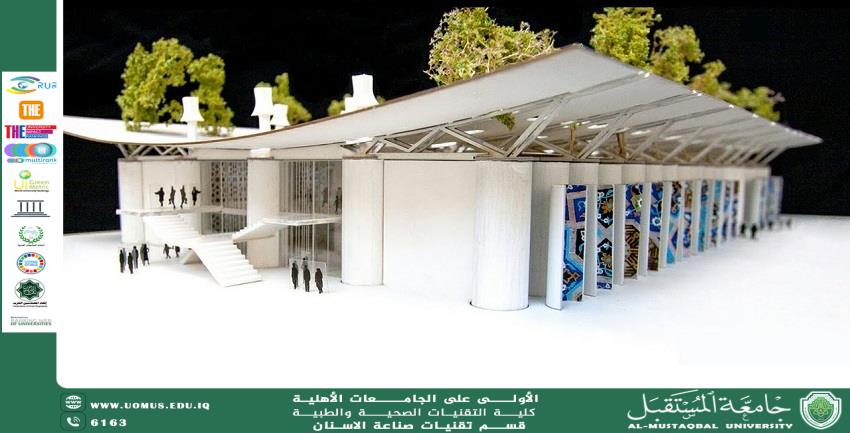
An engineering article entitled ((Sustainable Architecture: Its Concept and Most Important Principles))
Sustainable architecture is defined as a design approach that aims to reduce the negative environmental impacts of buildings by improving the efficiency of using resources such as energy, water, and materials. This architecture is based on the use of modern technology and environmentally friendly materials to achieve a balance between the built environment and the natural environment. The most important principles of sustainable architecture 1. Energy efficiency Relying on renewable energy such as solar and wind energy. Design buildings to take advantage of natural lighting and ventilation. Use thermal insulation to reduce energy consumption. 2. Water Resources Management Rainwater collection and reuse. Smart irrigation systems based on recycled water. Use of water-saving sanitary fittings. 3. Use environmentally friendly building materials Choose recycled or recyclable materials. Reduce the use of harmful substances such as coatings containing volatile organic compounds. The use of sustainable wood and green concrete. 4. Design responsive to the environment Integrate nature with buildings through green roofs and vertical gardens. Directing the<br />AL-Mustaqbal University is the first university in Iraq.