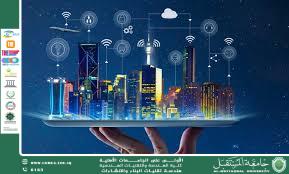
The Cities of the Future: How Smart Construction is Changing Life
Cities are rapidly evolving in the age of modern technology, and in recent years, we’ve witnessed a radical shift toward the use of smart construction technologies that blend architecture with innovation. The cities of the future are not just about advanced infrastructure; they also reflect the needs of contemporary life through smart living, where these cities integrate advanced amenities, environmental sustainability, and harmonious interaction between humans and technology. In this article, we will explore how smart construction impacts the way we live in future cities.<br /><br />1. Thoughtful Design and Smart Buildings<br />Smart construction aims to enhance the quality of life and offer comfortable, efficient solutions for residents. This type of construction involves the use of advanced technologies like the Internet of Things (IoT), allowing buildings to interact with users. For instance, smart buildings can adjust temperature and lighting based on the occupants' preferences, thereby saving energy and increasing comfort. Artificial intelligence is also integrated into systems like security, lighting, and plumbing control.<br /><br />2. Environmental Sustainability and Energy Management<br />One of the main features of future cities is a focus on environmental sustainability, which is greatly enhanced by smart construction. In future cities, innovative, eco-friendly building materials will be used, and buildings will be designed to minimize energy consumption and maximize the use of renewable energy sources such as solar and wind power. Smart systems will track energy and water consumption and efficiently manage waste recycling, helping reduce environmental impact and conserve resources.<br /><br />3. Smart Mobility and Improved Transportation<br />Smart transportation technologies are key elements of future cities. There will be transportation networks based on advanced technologies, such as self-driving cars and public transport buses managed by artificial intelligence. This system will reduce traffic congestion, improve scheduling, and reduce carbon emissions. Smart construction technologies can also integrate these systems into buildings, such as electric vehicle charging stations within residential or commercial complexes.<br /><br />4. Human-Technology Interaction: Smart Cities<br />When we talk about "smart cities," we’re referring to an integrated environment that enhances connectivity between people and facilities. In future cities, individuals will control various aspects of their daily lives using mobile apps, such as regulating temperature, managing public transport schedules, shopping online, and even interacting with emergency services. This system will provide a new level of convenience and efficiency.<br /><br />5. Security and Privacy in Smart Cities<br />One of the major challenges facing future cities is ensuring the security and privacy of individuals. Despite the many benefits of smart construction technologies, concerns about security remain. This is where advanced security technologies, such as AI-driven surveillance systems and cutting-edge security protocols, come into play to protect buildings and their residents. However, it is essential to ensure the protection of personal data collected through these systems.<br /><br />6. Impact on Communities and Social Relationships<br />With the integration of smart construction technologies in cities, daily life will change significantly. Continuous interaction with smart technologies will lead to a shift in social relationships, allowing people to coordinate and interact more easily. For example, smart solutions may enable individuals to easily access cultural and social events and activities through innovative technologies.<br /><br />Conclusion<br />In conclusion, smart construction will revolutionize how we live in the cities of the future. These technologies not only provide smart and efficient living environments but also contribute to environmental sustainability and create new ways of interacting between humans and technology. However, we must remain cautious when addressing security and privacy concerns to fully benefit from these advancements without compromising personal rights.<br /><br /><br /><br />