Sustainable Buildings: How to Reduce Environmental Impact
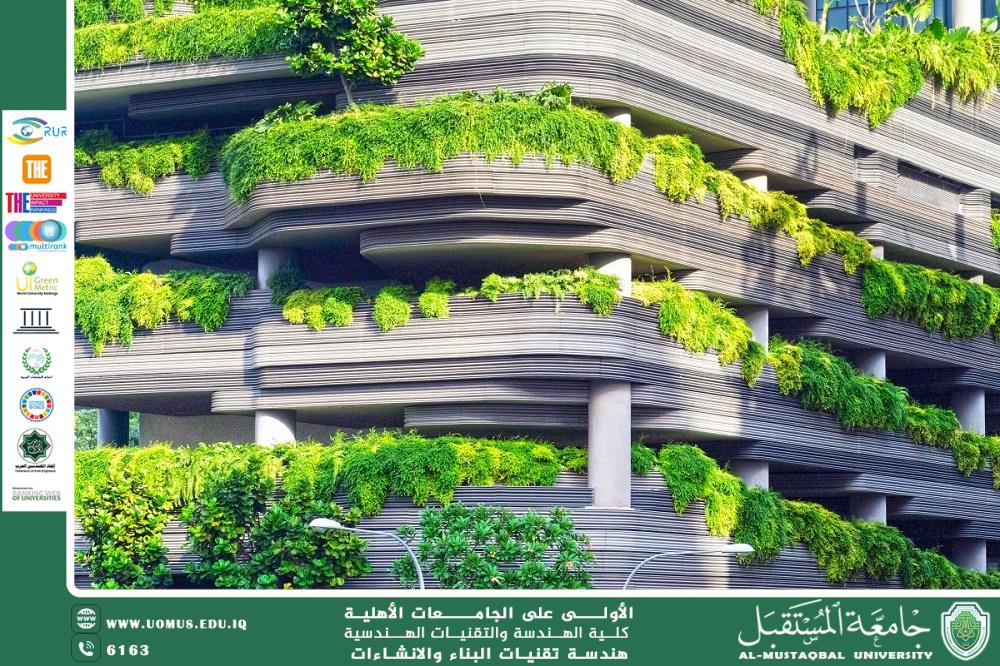
In light of the environmental challenges facing the Earth today, the construction of sustainable buildings has become one of the key solutions to mitigate the negative environmental impacts caused by the real estate sector. Sustainable buildings go beyond being merely modern and aesthetically pleasing designs; they aim to strike a balance between human needs and environmental protection. In this article, we will explore how sustainable buildings are designed and their impact on reducing environmental footprints.<br /><br />1. Use of Eco-friendly Building Materials<br />The materials used in constructing sustainable buildings are one of the key factors influencing environmental impact. Instead of using traditional materials that consume large amounts of natural resources and cause environmental pollution, sustainable buildings use materials such as recycled wood, interlocking bricks, green concrete, and integrated solar panels on roofs. These materials help reduce energy and natural resource consumption throughout the building’s lifecycle, from construction to demolition.<br /><br />2. Energy Efficiency Improvements<br />Energy efficiency is one of the most important aspects of designing sustainable buildings. Sustainable buildings aim to reduce energy consumption through techniques such as proper insulation, double-glazed windows, and smart systems for controlling lighting and temperature. Solar panels or wind power can be used to generate clean energy and renew the building’s energy supply, reducing reliance on non-renewable energy sources and lowering carbon emissions.<br /><br />3. Water Management and Reduced Consumption<br />Water management is a critical aspect of sustainable buildings. These buildings incorporate technologies to reduce water consumption, such as smart irrigation systems, water recycling tanks, and low-flow showerheads and toilets. Water flow control devices and rainwater harvesting systems can also be installed for use in irrigation or other building needs.<br /><br />4. Integration of Green Spaces<br />Green spaces are an essential part of sustainable buildings as they help improve air quality and provide a healthier environment for residents. These spaces can include green roofs, rooftop gardens, and vertical gardens on walls. Such solutions improve air quality, reduce urban heat islands, and enhance biodiversity within cities.<br /><br />5. Flexible and Renewable Designs<br />A key feature of sustainable buildings is their flexibility and adaptability to future changes. For instance, buildings can be designed to be easily expanded or reshaped without the need for demolition and reconstruction. Smart technologies are used to update systems (such as energy or water systems) without significantly impacting the building's infrastructure. Moreover, smart designs help reduce resource needs over time.<br /><br />6. Thermal Insulation Improvements<br />Good thermal insulation is vital in reducing energy consumption in sustainable buildings. Insulation helps reduce the need for heating and cooling systems, thus reducing energy use. Additionally, natural insulation materials like fiberglass, bamboo, or recycled materials are used to achieve high levels of thermal insulation.<br /><br />7. Modern Construction Techniques<br />Modern construction techniques, such as 3D printing, Building Information Modeling (BIM), and modular construction, contribute to reducing material waste during the construction process, which in turn reduces environmental pollution. These techniques also allow for precise designs that comply with environmental standards and achieve high resource efficiency.<br /><br />8. Waste Management<br />One of the most important ways to reduce the environmental impact of buildings is through effective waste management. Sustainable buildings rely on strategies to recycle waste generated during construction and maintenance. Recyclable materials can also be used in construction, or waste can be minimized by designing buildings in a way that makes them easy to reuse or dismantle at the end of their lifecycle.<br /><br />Conclusion<br />Sustainable buildings represent an essential step toward a more sustainable and environmentally efficient future. By improving energy efficiency, using eco-friendly building materials, and reducing water consumption, we can reduce the environmental impact of construction and contribute to protecting the Earth. Additionally, these buildings provide healthy and comfortable environments for residents, making them an ideal choice for the future. Ultimately, sustainable construction becomes one of the cornerstones upon which our contemporary world is built, reflecting our commitment to the environment and future generations.