The Internet of Things (IoT): A Turning Point in Building Sustainable Learning Environments(ahyab hashim kareem).
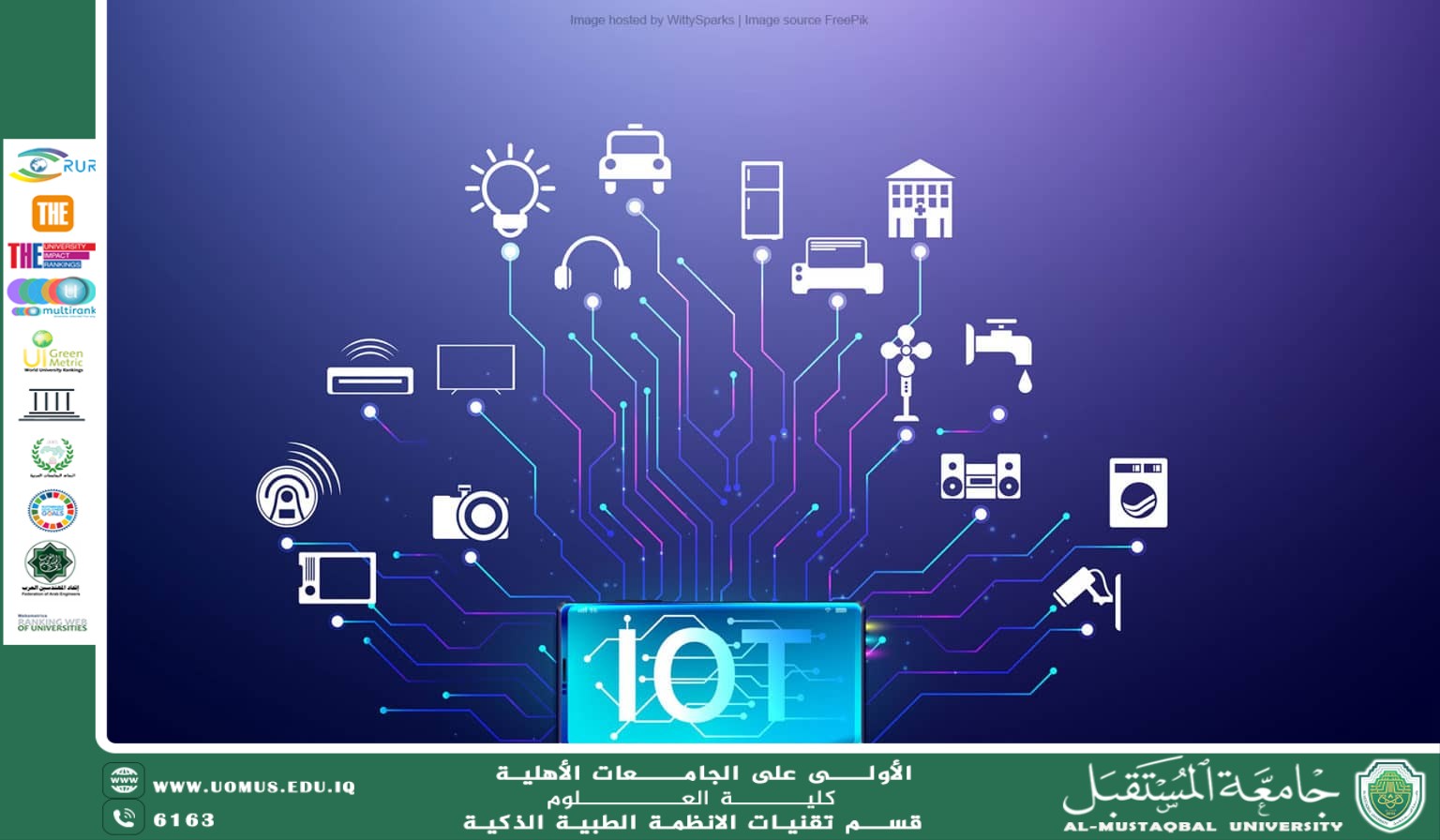
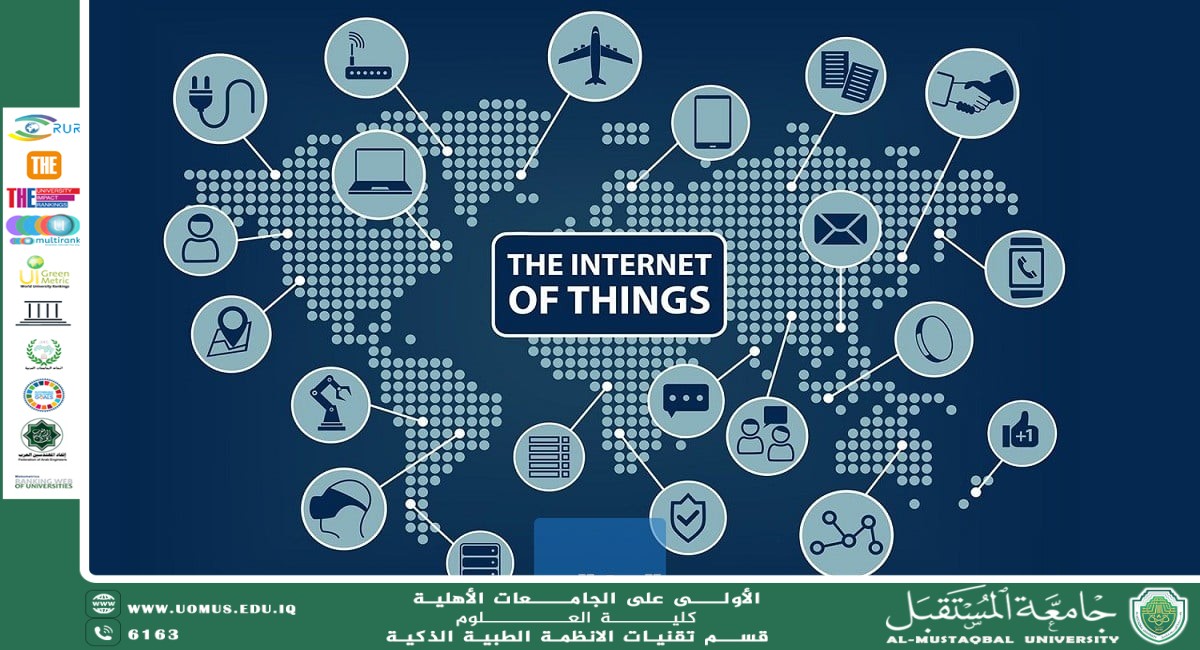
The Internet of Things (IoT) technology is one of the most prominent innovations reshaping various sectors, including education. This technology allows devices to be interconnected via the internet, enhancing the effectiveness of the learning process and contributing to the creation of more sustainable educational environments. In the face of environmental and economic challenges that educational institutions face, it has become crucial to adopt modern technologies like IoT to improve efficiency and promote sustainability in schools and universities.<br />The primary benefit of IoT applications in education lies in the ability to manage resources more efficiently. By connecting devices such as air conditioning, lighting, and smart devices, educational institutions can monitor energy usage in real time and adjust it automatically. For instance, a smart system can turn off lights or adjust the temperature based on the actual presence of students in classrooms, reducing energy consumption and operational costs.<br />In addition to improving resource efficiency, IoT can also contribute to enhancing student safety. By implementing smart sensors in hallways or classrooms, air quality, lighting levels, and temperature can be monitored to ensure a healthy and safe environment. Sensors can also alert in the event of an emergency, such as a fire or unauthorized access, enhancing security within the institution.<br />When it comes to learning itself, IoT offers the opportunity to provide a more interactive educational experience. By connecting educational tools such as smart boards and mobile devices to diverse data sources, students and teachers can access up-to-date information instantly, which enhances student engagement with the content. For example, augmented reality sensors can be used to integrate educational activities with interactive experiences.<br />A successful example of using IoT in education is the Smart Schools in Singapore, which adopted IoT technologies for efficient system management. Through IoT applications, energy consumption in schools is monitored in real time, and the learning environment is adjusted based on need, reducing energy waste and promoting sustainability.<br />Additionally, educational institutions can collect and analyze data to improve performance. By using sensors and IoT, schools can gather data on attendance patterns, student interaction with activities, and even their behavior inside classrooms. This data provides valuable insights that help in making more accurate educational decisions and continuously improving curricula.<br />Despite the significant benefits IoT offers, there are challenges in applying this technology in educational institutions, such as high initial costs, the need for advanced technical infrastructure, and ensuring the security and privacy of student data. However, these challenges can be overcome as technology develops and the costs of smart devices continue to decrease.<br />In conclusion, IoT technology represents a game changer in building sustainable learning environments, as it helps improve resource management, enhance security, and provide an advanced, interactive educational experience. By investing in this technology, educational institutions can achieve more sustainable and effective education, leading to long-term improvements in educational quality.<br /><br />Al-Mustaqbal University is the first university in Iraq.<br />