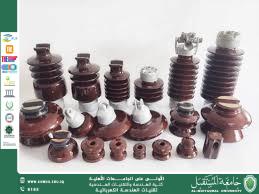
Ceramic Insulators in Electrical Power Distribution Stations
<br />Ceramic Insulators in Electrical Power Distribution Stations<br />Dr. Ahmad T. Jaiad <br /><br /><br />Ceramic insulators play a critical role in electrical power distribution stations by providing mechanical support and electrical insulation for high-voltage power lines and equipment. They are widely used due to their excellent electrical, mechanical, and thermal properties. Here's an overview of their importance, characteristics, and applications:<br /><br /><br /><br /><br /><br />Functions of Ceramic Insulators in Power Distribution Stations<br />1.Electrical Insulation: Prevent the flow of electrical current to unwanted paths, such as the supporting structure or ground.<br />2.Mechanical Support: Provide structural stability to overhead power lines, transformers, and other equipment.<br />3.Environmental Resistance: Withstand harsh environmental conditions, including UV radiation, rain, snow, and pollution.<br />4.Thermal Stability: Operate reliably under high temperatures caused by electrical currents or external heat sources.<br /><br />Types of Ceramic Insulators<br />1.Pin Insulators: Used in distribution lines to support conductors on poles.<br />2.Suspension Insulators: Consist of multiple disc-shaped units connected in series, used in high-voltage transmission lines.<br />3.Post Insulators: Provide support and insulation in substations for busbars and other equipment.<br />4.Shackle Insulators: Used in low-voltage distribution lines for anchoring and support.<br />5.Strain Insulators: Used at dead-ends or sharp corners to handle mechanical tension.<br /><br /><br /><br /><br /><br /><br />Advantages of Ceramic Insulators<br />1.High Dielectric Strength: Excellent insulation properties, even at high voltages.<br />2.Durability: Resistant to weathering, corrosion, and chemical degradation.<br />3.Thermal Resistance: Can withstand high temperatures without losing performance.<br />4.Cost-Effective: Long service life and low maintenance requirements.<br />5.Pollution Resistance: Glazed surfaces prevent the accumulation of dust and pollutants, maintaining insulation performance.<br /><br />Materials Used in Ceramic Insulators<br />- Porcelain: The most common material, made from clay, feldspar, and quartz. It is highly durable and resistant to environmental factors.<br />- Glass: Used in some insulators, offering similar properties to porcelain but with better visibility for detecting cracks or damage.<br /><br /><br />Applications in Power Distribution Stations<br />1.Overhead Power Lines: Support and insulate conductors from utility poles or towers.<br />2.Transformers: Insulate high-voltage connections and bushings.<br />3.Switchgear and Circuit Breakers: Provide insulation for live parts.<br />4.Busbars: Isolate and support busbars in substations.<br />5.Lightning Arresters: Protect equipment from voltage surges.<br /><br /><br />Challenges and Maintenance<br />1.Pollution Flashover: Accumulation of pollutants can reduce insulation performance. Regular cleaning or use of anti-pollution designs is necessary.<br />2.Mechanical Stress: Insulators must withstand wind, ice, and conductor tension.<br />3.Cracking or Damage: Physical damage can compromise insulation. Regular inspections are required.<br />4.Corona Discharge: High-voltage applications may cause corona discharge, leading to energy loss and material degradation<br />جامعة المستقبل الجامعة الاولى في العراق