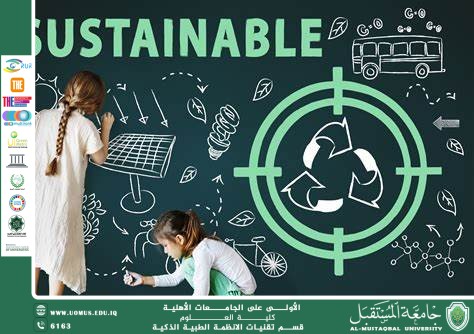
Smart Curriculum Design: A Step Toward Effective and Sustainable Education(ahyab hashim kareem)
With the rapid technological advancements and shifts in labor market demands, it has become essential to rethink traditional teaching and learning methods. One of the most prominent innovations in this field is smart curriculum design, which represents a step towards achieving sustainable and effective education. Smart curricula aim to integrate modern technology into the educational process, allowing students and teachers to interact with content in an innovative and advanced way. These curricula not only provide knowledge but also aim to develop students' skills and encourage critical thinking and problem-solving in an interactive manner.<br />The main benefit of smart curricula is their ability to tailor educational content according to each student's needs. By using artificial intelligence (AI) and machine learning, smart curricula can analyze student performance and identify their strengths and weaknesses, allowing lessons and activities to be customized to fit each student's individual level. This customization ensures an effective learning experience that meets the needs of every learner, enhancing the chances of success and continuity in education.<br />In addition to customization, smart curricula also provide interactive learning. They rely on the use of technological tools such as augmented reality (AR), virtual reality (VR), and interactive educational systems that allow students to engage with content in a hands-on way. These technologies contribute to a deeper understanding of complex topics through more realistic and interactive learning experiences, making education more engaging and motivating students to continue learning.<br />A successful example of smart curriculum design is the use of online learning platforms such as Coursera and EdX, which offer interactive courses covering various subjects and allow students to interact with content and participate in assessments and tests. These platforms enable students worldwide to access educational content flexibly and in a way that suits their needs.<br />Smart curricula not only improve the learning experience but also contribute to enhancing sustainable education. They equip students with the skills needed to adapt to technological and environmental changes occurring in the world. Through digital learning, educational institutions can reduce paper usage and other physical resources, thus helping to reduce waste and protect the environment.<br />Moreover, smart curricula foster collaboration between students and teachers, as students can engage in online group activities, enhancing communication and teamwork skills. Teachers can also use digital tools to provide immediate feedback, helping students improve their performance continuously.<br />Despite the many benefits, there are challenges to implementing smart curricula, such as the need for strong technological infrastructure and training teachers on how to effectively use digital tools. There are also concerns about digital inequality, as some students may not have consistent access to devices or the internet.<br />In conclusion, smart curricula represent an important step toward sustainable and effective education, providing a flexible and personalized learning experience that meets the diverse needs of students. By investing in these curricula, educational institutions can enhance education, improve content quality, and create a learning environment that fosters innovation and sustainability.<br /><br />Al-Mustaqbal University is the first one university in Iraq.<br />