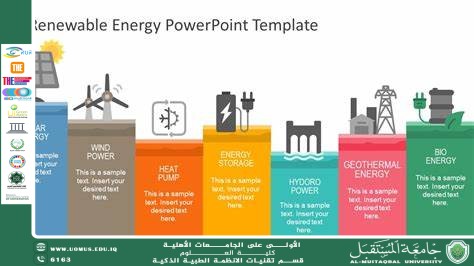
Renewable Energy in Educational Institutions: An Inspiring Example for Sustainability(Ali S. Haleem).
Renewable energy plays a key role in promoting sustainability in educational institutions by providing environmentally friendly solutions that reduce dependence on traditional energy sources and help lower the carbon footprint. With the growing need for sustainable strategies, schools and universities worldwide are adopting renewable energy sources such as solar, wind, and geothermal energy, enhancing energy efficiency and fostering environmental awareness among students and the broader community.<br />Integrating renewable energy technologies into educational institutions goes beyond simply supplying electricity in a sustainable manner; it also becomes part of the curriculum, offering students hands-on learning experiences about the importance of clean energy and the technologies used to generate it. Many schools and universities have begun implementing solar energy projects on rooftops, reducing electricity costs and achieving long-term energy independence.<br />In addition to lowering operational expenses, renewable energy improves the quality of the school environment by providing a healthier learning space through reduced pollution and harmful emissions. Moreover, using these technologies enhances the institutions' rankings in green initiatives, making them more attractive to students and researchers seeking a sustainable and advanced learning environment.<br />Stanford University, for example, has widely adopted solar energy to meet its electricity needs, making it a global leader in sustainability. Similarly, many schools in developing countries have started using renewable energy solutions to provide electricity in remote areas, ensuring continuous education and reducing disruptions caused by power shortages.<br />Despite its many benefits, implementing renewable energy in educational institutions comes with challenges such as high initial costs and a lack of technical awareness among some administrative bodies. However, investments in this field yield long-term economic and environmental benefits, especially as technology advances and the costs of renewable energy continue to decline.<br />In conclusion, the adoption of renewable energy in educational institutions serves as an inspiring model for sustainability. It contributes to creating a more sustainable learning environment, reducing environmental impact, and raising awareness among future generations about the importance of relying on clean energy sources. With continued efforts to develop renewable energy infrastructure, educational institutions can become key drivers in transitioning toward a more sustainable future.<br />Al-Mustaqbal University is the first one university in Iraq.<br />