
Digital Educational Games: An Innovative Tool to Enhance Sustainable Education(ahyab hashim kareem).
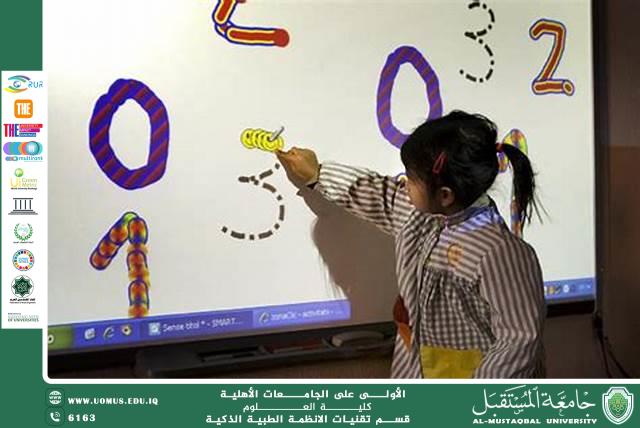
Digital educational games are among the most prominent innovations that can significantly contribute to enhancing sustainable education. They represent an innovative tool that encourages students to interact with educational content in an enjoyable and engaging way, helping improve their academic performance and develop skills more effectively. In light of the challenges facing traditional education systems, digital games have become a strong option to support the goals of sustainability in education and create flexible learning environments that can adapt to the diverse needs of students.<br />The primary benefit of digital educational games is their ability to motivate students and make the learning process more interactive. By presenting educational content in the form of games that simulate reality, students can experience active learning rather than passively receiving information in a traditional manner. These games provide an enjoyable learning environment that encourages participation and helps improve problem-solving skills, critical thinking, and collaboration among students.<br />Digital educational games also contribute to enhancing interaction between students and teachers. They allow teachers to track students' progress accurately, enabling them to provide tailored support based on each student's individual level. Teachers can customize educational challenges through these games to match students' needs, thus enhancing the effectiveness of education and ensuring sustainable progress for all learners.<br />A successful example of using digital educational games is the Khan Academy platform, which provides interactive educational content through games and exercises that help students at all educational stages improve their skills in mathematics, science, and history. This platform relies on providing an educational environment that encourages continuous engagement and fun, making learning an enjoyable and effective experience.<br />Additionally, digital educational games promote sustainable education by reducing waste and resource consumption. Relying on digital games means reducing the need for textbooks and paper materials, contributing to environmental protection and lowering educational costs. They also enable students to access educational resources at any time and from anywhere, ensuring educational continuity and expanding access to education on a global scale.<br />On the other hand, digital educational games contribute to developing students' technological skills, which are essential in today's digital age. By interacting with these games, students learn to use modern technological tools and improve their digital skills, which will benefit them in their future personal and professional lives.<br />Despite the many benefits, challenges exist in the use of digital educational games, such as the need for strong technological infrastructure and the necessity to train teachers on how to effectively use these tools. However, investing in these games is a long-term investment in improving the quality of education and promoting environmental and economic sustainability.<br />In conclusion, digital educational games represent an innovative and effective tool for enhancing sustainable education. They not only provide a flexible and engaging learning environment but also contribute to reducing waste, improving academic performance, and developing students' skills for interacting with the digital future. By investing in this technology, educational institutions can achieve sustainable and inclusive education that benefits future generations.<br /><br /><br />AL-Mustaqbal University the First University in Iraq.