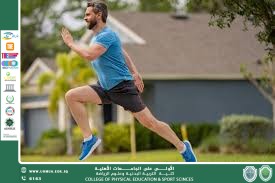
An article by the lecturer, Ms. Taiba Faisal Jaber, entitled “Physical Fitness and Its Impact on Physical and Mental Health”
Physical Fitness and its Impact on Physical and Mental Health<br />The term physical fitness refers to the ability of the body's systems to work together efficiently to perform daily life activities such as performing work and performing household responsibilities with minimal effort, having enough energy to enjoy sports and other recreational activities, and being able to respond to emergencies to help others. Physical fitness is not limited to physical health only, but also includes emotional and mental health.<br /><br />Benefits of Physical Fitness<br />Fitness and health are two sides of the same coin, as regular physical activity is one of the most important reasons for maintaining health and preventing many diseases.<br /><br />Benefits of physical fitness include the following:<br />- Increased physical energy<br />Physical activity contributes to increasing the body's ability and energy to perform daily tasks, and regular exercise reduces the feeling of fatigue, and helps people with chronic fatigue syndrome and other serious diseases to increase their energy and physical ability.<br />- Contributing to weight loss<br />Inactivity and lack of movement are one of the main factors for weight gain and obesity, so physical activity in general contributes to weight loss as it increases the metabolic rate, in addition to following an appropriate diet.<br />- Reducing the risk of chronic diseases<br />A sedentary lifestyle leads to a lack of physical fitness, which is a major risk factor for chronic diseases. Regular physical activity has been shown to help prevent chronic diseases such as high blood pressure, type 2 diabetes, and metabolic syndrome. Regular physical activity also improves blood cholesterol levels.<br />It has been found that doing at least 150 minutes of moderate-intensity aerobic exercise per week helps reduce the risk of these diseases. In addition, regular physical activity helps prevent some types of cancer such as bladder cancer, breast cancer, colon cancer, and lung cancer.<br /><br />- Building muscle<br />Regular exercise, especially that which combines fitness and bodybuilding exercises such as weightlifting, stimulates an increase in muscle mass and strength, along with consuming a sufficient amount of protein, as exercise helps secrete hormones that enhance the muscles' ability to absorb amino acids.<br />Fitness is especially important in the elderly, as the body tends to lose muscle mass and function with age; Regular physical activity is essential to reduce muscle loss and maintain strength.<br />- Strengthening bones<br />Fitness exercises help strengthen bones by slowing the loss of bone density that occurs with age. People who are physically active are less likely to develop osteoporosis and fractures than those who are inactive. Physical fitness in older adults also reduces the risk of falls and injuries resulting from them.<br />Regular physical activity also helps in cases of arthritis and other rheumatic conditions to relieve pain, perform daily tasks, and thus improve quality of life.<br />- Promoting mental health<br />The importance of physical fitness is not limited to health benefits for the body, but also extends to mental benefits, as regular physical activity helps improve brain function, protect memory, and maintain thinking and learning skills, by increasing the heart rate and stimulating blood circulation; which enhances the flow of blood and oxygen to the brain, and it also stimulates the secretion of hormones that promote the growth of brain cells.<br />The benefits of physical fitness for children between the ages of 6 and 13 include improving thinking and cognition, and reducing feelings of anxiety in adolescents and adults.<br />Exercise has also been shown to increase the size of the hippocampus, a part of the brain essential for memory and learning, which contributes to improving mental function in the elderly.<br /><br />In addition, exercise helps prevent many mental illnesses such as Alzheimer's disease and schizophrenia, and increasing physical fitness reduces the risk of anxiety and depression by improving mood and sleep, and secreting endorphins and serotonin (the happiness hormone) in the brain.<br /><br />Types of fitness exercises<br />There are 4 types of fitness exercises, including:<br />- Aerobic or cardio fitness exercises<br />Aerobic exercises such as running, swimming, and cycling increase the heart rate and breathing, and their purpose is to increase the amount of oxygen reaching the muscles, allowing them to work for a longer period.<br /><br />Aerobic exercises also maintain the health of the heart, blood circulation, and lungs, as well as improve general physical fitness, and over time the body's ability to endure daily activities increases, making them seem easier.<br />- Resistance or strength exercises<br />Resistance exercises such as weightlifting and using resistance bands help build and strengthen muscles, both in terms of their ability to perform greater functions and their ability to endure for a longer period.<br />- Flexibility exercises<br />Flexibility exercises aim to tighten muscles and make the body flexible, allowing more freedom of movement to be able to perform other exercises and daily activities.0<br />Flexibility exercises also have the ability to improve range of motion, standing position, and the ability to breathe deeply, as well as improve blood circulation, and they also relieve muscle tension resulting from stress. Examples of flexibility exercises include shoulder and upper arm stretching exercises, yoga, and calf stretching exercises.<br />- Balance exercises<br />Balance exercises are an important type of physical fitness for the elderly, as they help maintain balance and prevent falls, such as walking in a straight line, standing on one foot, and sitting on a chair and getting up from it without using the hand. Many strength exercises for the lower body also contribute to