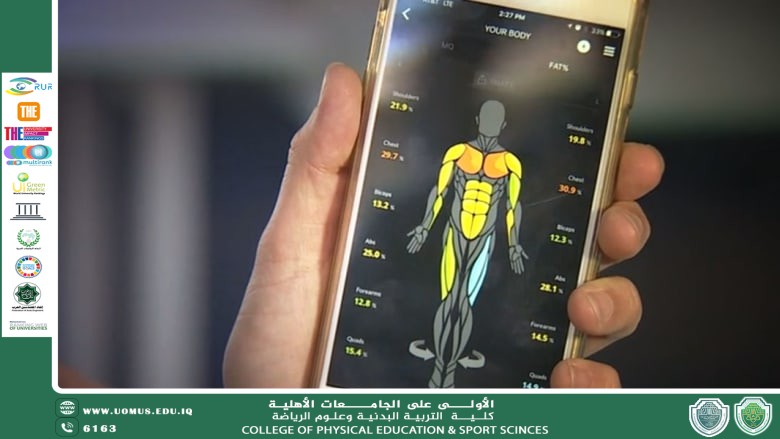
A scientific article entitled “The Role of Computers in Sports and Physical Education” by the teacher Tabarak Jassim
Computers have become an integral part of various areas of life, including sports and physical education. They have contributed to improving athletic performance, developing training methods, and accurately analyzing data, helping players and coaches achieve the best results.<br /><br />1. The role of computers in analyzing sports performance<br /><br />Computers are used to analyze players' performance through artificial intelligence techniques and data analysis programs. Coaches can use specialized programs to review video recordings, track players' movements, and analyze performance statistics to discover strengths and weaknesses.<br /><br />2. Improving training and sports planning<br /><br />Computer programs provide tools to simulate sports exercises and design customized training plans for each player according to their physical and technical needs. Smart applications also help monitor the development of players' performance and provide recommendations for development.<br /><br />3. Using computers in sports medicine and rehabilitation<br /><br />Computers help diagnose sports injuries through modern devices such as magnetic resonance imaging and motion analysis. Advanced software also contributes to designing rehabilitation programs and monitoring players' progress during the recovery period.<br /><br />4. Development of electronic sports (E-Sports)<br /><br />E-sports has emerged as one of the fields that rely entirely on computers, as it has global championships and millions of followers. Virtual reality and artificial intelligence technologies help improve the players' experience and analyze their performance.<br /><br />5. The role of computers in managing sporting events<br /><br />Computer systems are used to organize tournaments, sell tickets, and manage audiences, which facilitates registration and follow-up processes. Technologies such as artificial intelligence are also used to analyze fan data to provide a more personalized experience in stadiums.<br /><br />Conclusion<br /><br />The computer has contributed to revolutionizing the field of sports, whether by improving player performance, developing training strategies, or facilitating the management of sporting events. With technological progress, its role is expected to become more important in the future, opening new horizons in the world of sports and physical education