
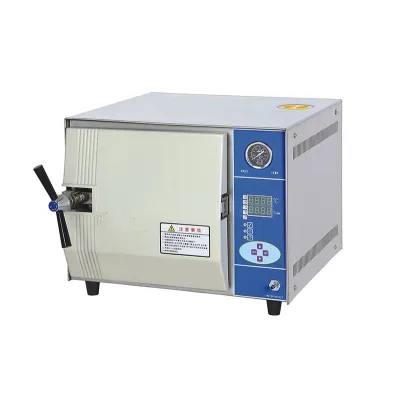
Autoclave Device: Principle, Applications, and Uses
Autoclave Device: Principle, Applications, and Uses<br />Introduction<br />The autoclave is one of the most important devices used for sterilization, as it relies on pressurized steam to eliminate microorganisms, including bacteria, viruses, fungi, and spores. This device is widely used in medical, industrial, and laboratory fields to ensure a sterile and safe environment.<br />Principle of Operation<br />The autoclave operates on the principle of steam sterilization under high pressure. When water is heated inside the device, saturated steam is generated at a high temperature and pressure, which destroys the cellular structure of microorganisms, effectively killing them. Typically, the autoclave operates at temperatures ranging from **121 - 134°C** and pressures between **15 - 30 psi**, depending on the type of materials to be sterilized.<br />Components of the Autoclave<br />The autoclave consists of several main components, including:<br />1. **Sterilization Chamber:** The compartment where tools and equipment are placed for sterilization.<br />2. **Steam Generator:** Produces the steam required for the sterilization process.<br />3. **Pressure Control Valve:** Regulates the pressure inside the chamber.<br />4. **Pressure & Temperature Gauge:** Monitors operating conditions.<br />5. **Safety System:** Includes safety valves to protect against excessive pressure.<br />Types of Autoclaves<br />Different types of autoclaves are available to suit various applications, including:<br />1. **Gravity Displacement Autoclave:** Relies on gravity to remove air from the chamber and replace it with steam.<br />2. **Pre-vacuum Autoclave:** Uses a vacuum pump to remove air before introducing steam, increasing sterilization efficiency.<br />3. **Horizontal and Vertical Autoclaves:** Designed according to laboratory or hospital requirements.<br />Uses of the Autoclave<br />1. In the Medical Field:<br />- Sterilizing surgical instruments and medical supplies.<br />- Disinfecting clothing and equipment used in operations.<br />- Disposal of infectious medical waste.<br />2. In Laboratories:<br />- Sterilizing bacterial culture media and laboratory solutions.<br />- Disinfecting glassware and laboratory tubes.<br />3. In Industry:<br />- Sterilizing materials used in pharmaceutical industries.<br />- Treating some plastic and wooden materials.<br />Safety and Maintenance Standards<br />To ensure the autoclave operates efficiently and safely, the following guidelines must be followed:<br />- Regular inspection of safety valves and measuring devices.<br />- Cleaning the internal chamber regularly to prevent residue buildup.<br />- Ensuring the device is not overloaded beyond its permitted capacity.<br />- Using purified water to prevent salt deposits inside the pipes.<br />Conclusion<br />The autoclave is one of the most important sterilization technologies used in various fields to ensure an environment free from contaminants and microbes. The success of the sterilization process depends on the proper use of the device and adherence to standard procedures to achieve the best results.