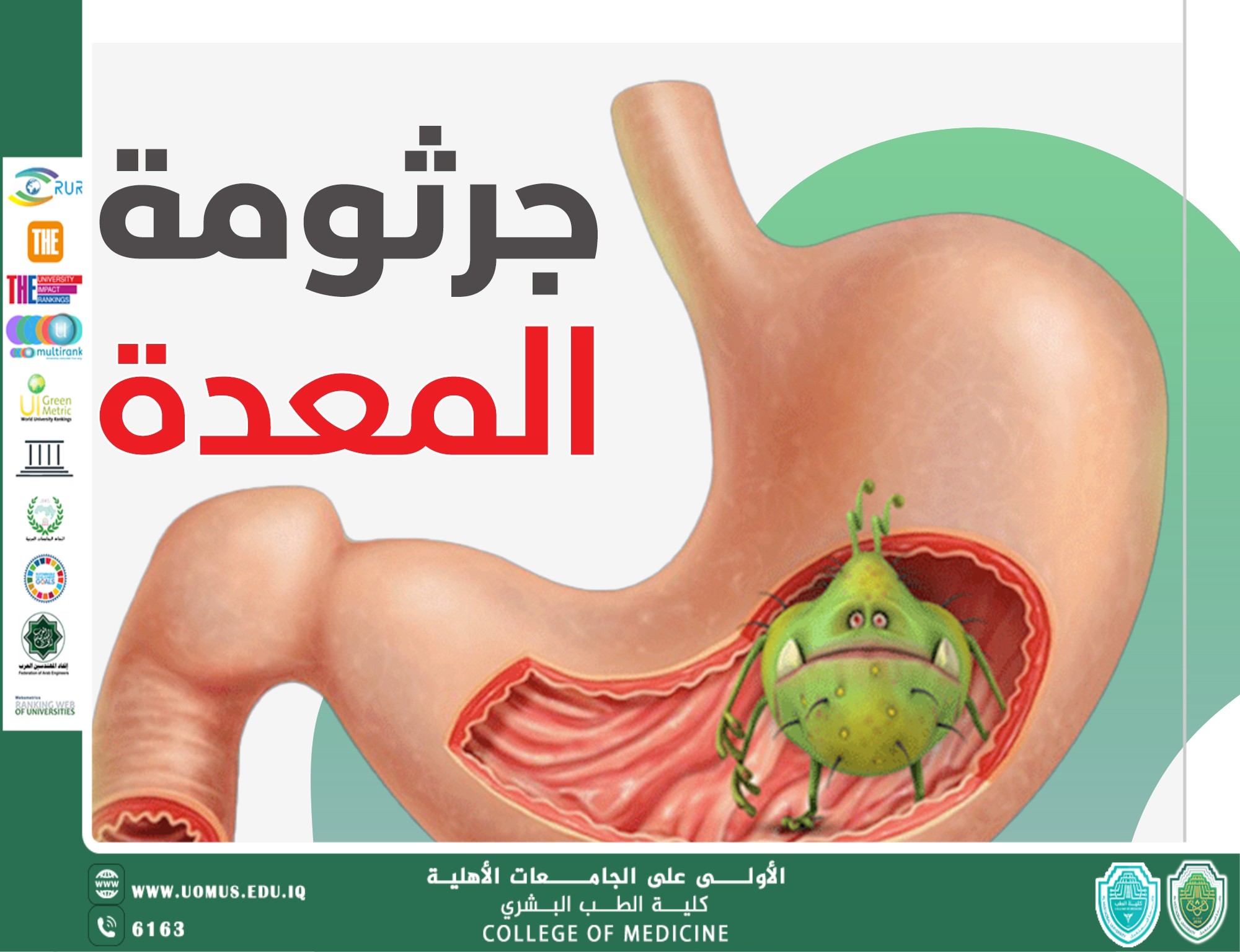
Yersinia enterocolitica in thalassemia
Mechanisms of infection<br />The Yersinia organism is most commonly transmitted by the ingestion of contaminated food, meat, milk or water, although it is commensal in healthy individuals. On rare occasions it becomes virulent, crossing the intestinal membrane and provoking life-threatening infections. The best known factor predisposing the organism to virulence is the availability of a large amount of iron, as is the case in severe iron overloaded patients or in those undergoing iron chelation with desferrioxamine Transfusion-associated transmission of Yersinia enterocolitica may occur from apparently healthy donors, albeit rarely, as the organism can survive and multiply under normal storage conditions (4°C). The mortality rate among recipients of contaminated blood is >50%.<br />Clinical manifestations<br />The clinical manifestations of Yersinia infection depend on the age and health of the host. While variable, these manifestations are severe in over 80% of cases involving patients with thalassaemia. Fever is the most common presenting feature, often associated with abdominal pain and diarrhoea or vomiting. Extra gastrointestinal manifestations, such as acute respiratory distress syndrome, arthralgia and skin rashes, are also sometimes seen.<br />The most typical clinical picture is an ‘acute abdomen’ that mimics and may even be indistinguishable from acute appendicitis/peritonitis, caused by mesenteric lymphadenitis. It is important to have this critical point in mind, as the two conditions require a very different antimicrobial approach.<br />The most dangerous condition is septicaemia, which, in the absence of specific antibiotics, may be fatal in more than 50% of cases.<br />Complications may include abdominal, hepatic or splenic abscess, intussusception, nephritis, ileo-psoas abscess and meningitis. Post-infection sequelae include erythema nodosum and reactive arthritis, mostly in adults.<br /><br />Laboratory diagnosis<br />Specific culture conditions (at 22°C for 48 hours) are necessary to identify Yersinia species and in this context, the treating physician should inform the laboratory of his/her suspicions in order to enable it to proceed to the correct culture conditions for blood and stool samples.<br />Serologic tests for Yersinia are problematic because of the likelihood of cross-reactivity. However, a four-fold rise in IgG titres in serial samples obtained 15 days apart may be suggestive of recent infection. Overall, the pickup rate for stool, blood culture and seroconversion is low. In some cases diagnosis may only be made after obtaining samples of affected tissue (e.g. gut, lymph node).<br />Treatment<br />The basic but most important point is that anyone involved in the care of a patient with thalassaemia with the above-described symptoms must be aware of the risk of Yersinia infection and its management. Simple information leaflets issued by the treating centre and carried by the patient or parents of children may be of help, especially when travelling.<br />In the absence of a quick reliable laboratory diagnosis, treatment must begin on the basis of clinical suspicion. In such cases, the following measures should be taken:<br />• Stop iron chelation therapy immediately<br />• Obtain suitable laboratory samples<br />• Commence antibiotic treatment immediately<br />Yersinia species are typically intracellular and therefore antibiotics with good intracellular penetration are recommended. In mild suspected cases, oral ciprofloxacin is the recommended first line treatment. In severely unwell patients, immediate parenteral therapy is mandatory with the same drug. I.v. trimethoprim-sulfomethoxazole or cephalosporins may be added or used as an alternative.<br />It is generally advisable to continue antibiotics for at least two weeks after proven infection. Iron chelation should not be restarted until the patient has been asymptomatic for over a week. Some patients relapse after restarting desferrioxamine. Whenever possible, an alternative chelator should be prescribed. In contrast to deferoxamine, the synthetic chelators, deferiprone and deferasirox do not seem to trigger Yersinia enterocolitica <br />Dr widad hamza shekair<br />"AL_mustaqbal University is the first university in Iraq"<br /><br />