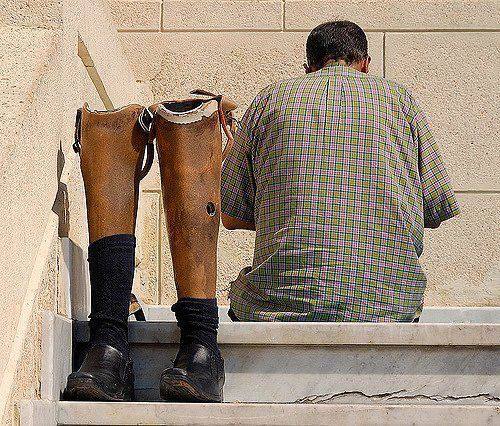
Fasting and Amputees: Health Challenges and Safe Adaptation Tips
Presented by Engineer Aya Talib Hassan <br /><br />Introduction <br />Fasting is a religious practice that offers both spiritual and health benefits, but it may present certain health challenges for individuals with special conditions, such as amputees. The impact of fasting on amputees depends on several factors, including the level of amputation, overall health condition, and the body's ability to adapt to fasting. <br /><br />Health Effects of Fasting on Amputees <br /><br />1. Changes in Blood Circulation and Energy Levels <br /> - Individuals using prosthetic limbs may require additional energy to support their movement, especially if the amputation is in the lower limbs. <br /> - Fasting can lead to lower blood sugar levels, which may affect endurance and physical ability in some amputees. <br /><br />2. Fluid Balance and Dehydration Prevention <br /> - Fluid loss during fasting can have a greater impact on amputees, especially if excessive sweating occurs due to the use of prosthetic limbs. <br /> - It is important to replenish fluids during the non-fasting hours to stay hydrated and prevent muscle cramps or dizziness. <br /><br />3. Effects on Skin and Residual Limbs <br /> - Reduced water intake during fasting may cause skin dryness, leading to irritation in the amputation area, particularly when using a prosthetic limb. <br /> - Using appropriate moisturizers and maintaining proper hygiene can help prevent infections or sores. <br /><br />4. Psychological Effects <br /> - Fasting can have a positive psychological impact by enhancing patience and endurance. However, it can also be physically exhausting in some cases, especially for those experiencing chronic pain or physical strain. <br /><br />Tips for Amputees During Fasting <br />- Drink enough water between Iftar and Suhoor to compensate for fluid loss. <br />- Consume balanced meals containing complex carbohydrates and proteins to maintain energy levels throughout the day. <br />- Avoid prolonged standing or walking if the amputation is in the lower limbs, particularly in hot weather. <br />- Consult a doctor before fasting, especially if there are chronic illnesses or the need for special health monitoring. <br /><br />Conclusion <br />Fasting can be a positive experience for amputees if proper health precautions are taken. It is important to balance religious observance with maintaining good health and to follow medical advice to ensure a safe and comfortable fasting experience.