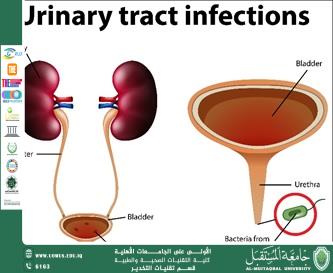
Urinary tract infections in children, causes and management
Urinary tract infections (UTIs) in children are common and can affect any part of the urinary system, including the kidneys, bladder, or urethra. Here’s an overview of the causes and management:<br />Causes of UTIs in Children<br /> 1. Bacterial Infection: Most UTIs in children are caused by bacteria, particularly Escherichia coli (E. coli), which is naturally found in the intestines.<br /> 2. Anatomical Factors:<br /> ◦ Urinary Reflux: The backward flow of urine from the bladder to the kidneys (vesicoureteral reflux) can increase the risk of UTIs.<br /> ◦ Congenital Abnormalities: Birth defects that affect the urinary tract, such as a blocked urethra, can predispose children to UTIs.<br /> 3. Poor Hygiene: Inadequate wiping (especially from back to front), improper diaper care, or infrequent changing of diapers can increase the risk of bacterial introduction.<br /> 4. Infrequent Urination: Holding urine for too long can lead to bladder distention and create an environment for bacteria to grow.<br /> 5. Sexual Activity (in older children/adolescents): Sexual activity can increase the risk of UTIs due to bacterial introduction.<br /> 6. Catheterization: If a child requires a catheter, this can introduce bacteria into the urinary tract, leading to a UTI.<br /> 7. Constipation: Full rectums can exert pressure on the bladder, which increases the risk of UTIs by preventing proper bladder emptying.<br /> 8. Underlying Health Conditions: Conditions like diabetes or weakened immune systems can make children more susceptible to infections.<br />Symptoms of UTIs in Children<br /> • Infants/Young Children:<br /> ◦ Fever<br /> ◦ Irritability or crying<br /> ◦ Vomiting<br /> ◦ Poor feeding or difficulty sleeping<br /> ◦ Foul-smelling urine<br /> ◦ Diarrhea<br /> • Older Children:<br /> ◦ Painful urination (dysuria)<br /> ◦ Increased frequency or urgency of urination<br /> ◦ Blood in urine (hematuria)<br /> ◦ Abdominal pain<br /> ◦ Lower back pain<br />Management of UTIs in Children<br /> 1. Diagnosis:<br /> ◦ Urinalysis: A urine sample is tested to look for bacteria, white blood cells, and other signs of infection.<br /> ◦ Urine Culture: A urine sample is cultured to identify the specific bacteria causing the infection.<br /> ◦ Ultrasound or Voiding Cystourethrogram (VCUG): In some cases, imaging may be needed to rule out abnormalities in the urinary tract or the presence of reflux.<br /> 2. Antibiotics:<br /> ◦ First-Line Treatment: Oral antibiotics (e.g., amoxicillin, cephalosporins) are typically prescribed for uncomplicated UTIs.<br /> ◦ Severe Infections: For more severe cases or kidney involvement, intravenous (IV) antibiotics may be necessary.<br /> ◦ Complete the Course: It is crucial to complete the full course of antibiotics as prescribed to prevent recurrence or resistance.<br /> 3. Hydration: Ensure that the child drinks plenty of fluids to help flush out the bacteria.<br /> 4. Pain Management: Pain-relieving medications (e.g., acetaminophen) may be used to alleviate discomfort, especially if the child is experiencing pain with urination.<br /> 5. Follow-Up: After treatment, a follow-up urine culture may be required to ensure the infection has been fully cleared, particularly in younger children or those with recurrent UTIs.<br /> 6. Preventing Recurrence:<br /> ◦ Encourage regular urination and proper wiping techniques.<br /> ◦ Avoid holding urine for long periods.<br /> ◦ Ensure proper hygiene, particularly after bowel movements.<br /> ◦ Consider using prophylactic antibiotics in cases of recurrent UTIs or urinary tract abnormalities (as determined by a pediatric urologist).<br /> 7. Surgical Management: In rare cases, if there are anatomical issues such as urinary reflux or a structural abnormality, surgery may be recommended.<br /><br />Prevention of UTIs in Children<br /> 1. Good Hygiene Practices: Wiping from front to back, especially in girls, can help prevent bacteria from the anus from reaching the urinary tract.<br /> 2. Frequent Voiding: Encourage children to urinate regularly and not to hold urine for prolonged periods.<br /> 3. Adequate Fluid Intake: Keeping the child hydrated promotes frequent urination, which helps flush out bacteria.<br /> 4. Cotton Underwear: Cotton is breathable and helps reduce moisture buildup, which can encourage bacterial growth.<br />If you suspect a child has a UTI, it's important to consult a healthcare provider for a timely diagnosis and treatment to avoid complications such as kidney damage.<br /><br />د.بشار هادي شعلان<br /><br />Al-Mustaqbal University is the first university in Iraq