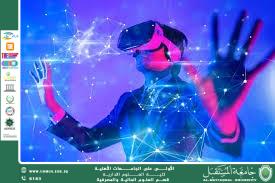
Virtual worlds and their impact on human identity : between digital expansion and self-reshaping.
<br />ali hussein jaber<br /><br />Virtual worlds and their impact on human identity : between digital expansion and self-reshaping<br /><br />In an era of rapid digital transformation, virtual worlds are no longer just entertainment, but a dynamic space that reshapes the concept of human identity. Through advanced digital environments, individuals can adopt new personalities, build relationships, and even shape entire communities within these worlds. With this development, a fundamental question arises: how do virtual worlds affect human identity, and do they pose a threat to the true self or do they open a new horizon for understanding it?<br /><br />Identity between reality and assumption: variable boundaries<br />Human identity has always been a complex product of social, cultural, and psychological factors. With the advent of virtual environments, traditional identity restrictions can be transcended, giving individuals the freedom to shape themselves in ways that were not previously available.<br />Digital Identities : Reconstructing the Self in a World Without Borders<br />In virtual environments, an individual can choose an avatar that reflects or moves away from their personality altogether. This manipulation of identity opens up fundamental questions: do these identities represent a true extension of the self, or are they merely a reflection of hidden desires?<br /><br />The duality between real and virtual identity<br />Virtual worlds allow individuals to assume roles and characters that they may not dare to adopt in reality, which can boost self-confidence or, conversely, create a gap between digital identity and actual reality. This duality may lead to psychological challenges, as some find it difficult to reconcile their identity in the virtual and real world.<br />Psychosocial Impacts of Virtual Worlds<br />1.Strengthening or distorting identity?<br />Some users find virtual worlds an opportunity to express themselves freely, but others may experience identity disorders as a result of being overly immersed in these environments. Excessive attachment to digital identity may weaken ties with reality, leaving the individual vulnerable to isolation or loss of sense of true self.<br /><br />2. Reshaping social relations. <br />Virtual worlds have not only affected individual identity, but have also changed ways of social interaction. Digital societies can be built that transcend geographical and cultural boundaries. While these communities may create new opportunities for networking, they may also erode traditional social relationships, with some finding it difficult to interact outside the digital context.<br /><br /><br />The future of identity in light of virtual worlds:<br />As technology continues to evolve, questions about the future of human identity are increasing. Can a virtual human become an equal extension of the real human? Will digital interaction become a basic criterion for identity formation rather than real-life interaction? Virtual worlds are both a challenge and an opportunity. It gives individuals unprecedented freedom to form their identities, but at the same time it raises fundamental questions about what the self is and its limits. The balance between reality and assumption is the key to maintaining a balanced identity, capable of adapting to digital variables without losing its human essence<br />