The Outcomes of Improving Neonatal Care in Developing Countries(M.Sc. Qusai AL-Durrah).
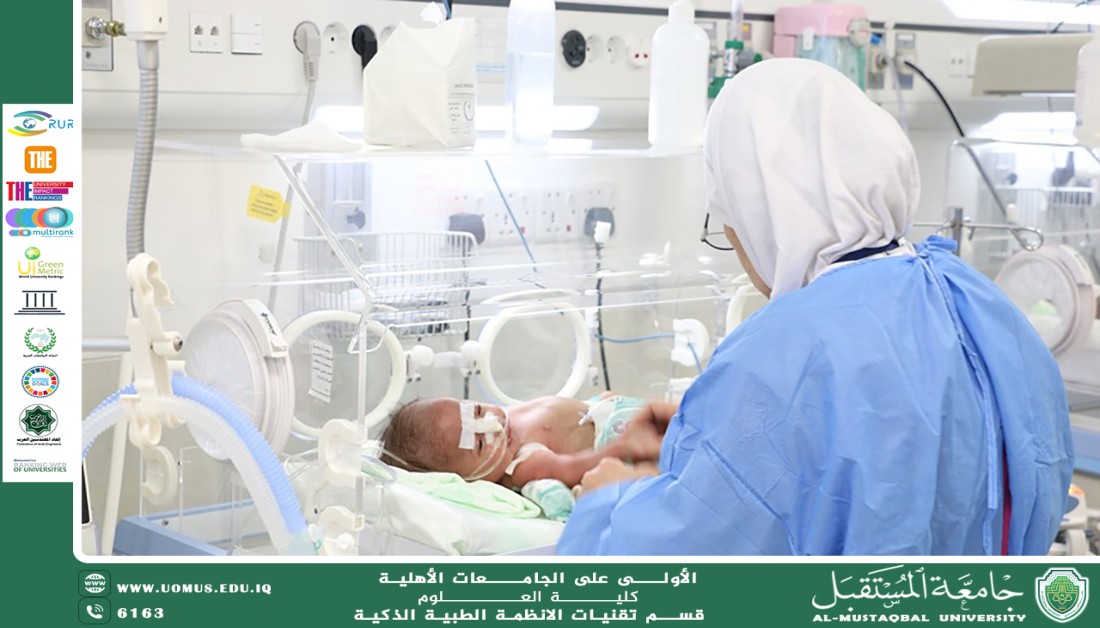
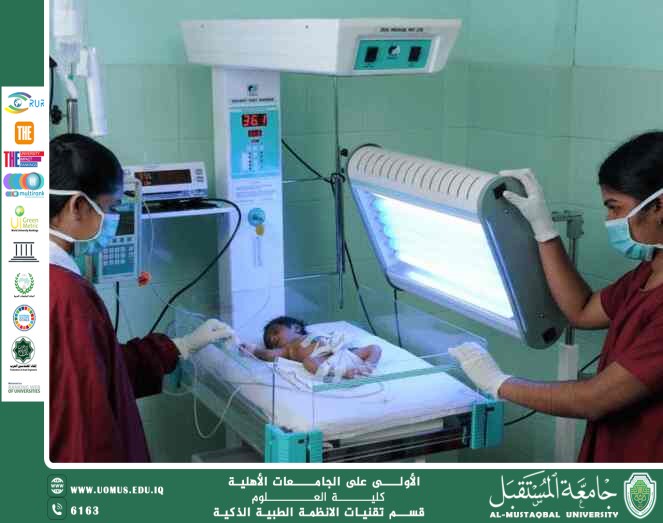
Neonatal care remains one of the most significant challenges in developing countries, where many hospitals suffer from a lack of medical equipment and weak healthcare services. However, studies have shown that improving neonatal care can significantly reduce infant mortality rates and limit long-term health complications.<br />One of the most notable solutions adopted in developing countries is the introduction of solar-powered smart incubators, which provide a safe environment for premature infants even in areas with frequent power outages. These incubators are designed to operate on low-energy systems, making them suitable for hospitals and rural clinics with limited infrastructure.<br />Additionally, training programs for mothers and healthcare workers have proven effective in improving infant survival rates. Awareness campaigns on essential neonatal care practices, such as breastfeeding, wound care, and hygiene, can help reduce birth-related complications and enhance overall infant health.<br />Collaboration between governments and global health organizations has also contributed to providing advanced medical devices at affordable prices for hospitals, enabling doctors to deliver better care to premature infants. With the use of telemedicine technologies, doctors in major cities can now remotely monitor infant cases in rural areas and provide appropriate guidance to local medical teams.<br />Despite the significant improvements in survival rates, challenges remain in securing sustainable funding for these technologies and developing more efficient health policies to ensure that all infants receive adequate medical care. Nevertheless, the advancements in neonatal care over the past decade highlight the crucial role of modern technology in improving healthcare services, particularly in developing countries striving to reduce infant mortality rates and enhance the quality of life for future generations.<br /><br />Al-Mustaqbal University is the first university in Iraq.<br />