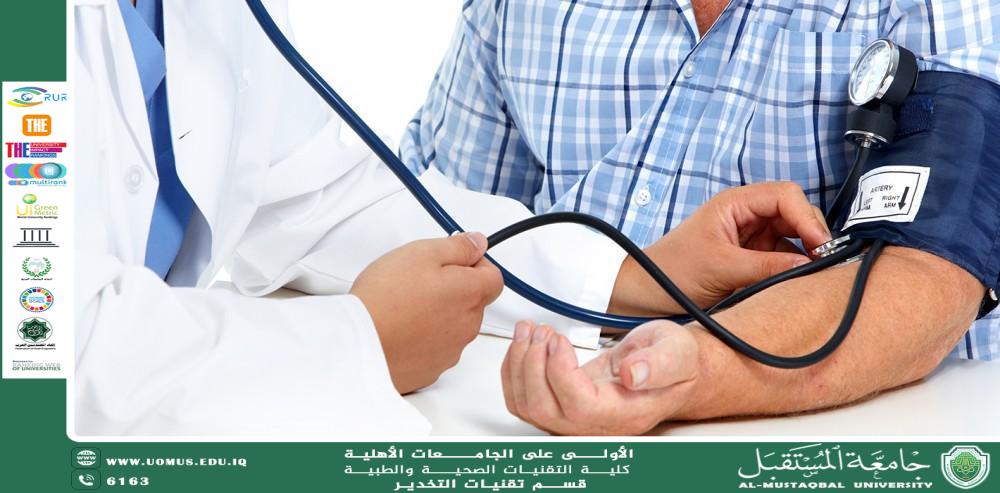
Hypertension
High blood pressure (hypertension) happens when the force on the walls of blood vessels (caused by the blood within them) is more than normal. This means the heart has to work harder and the blood vessels are under more strain, making it a major risk factor for heart disease, stroke and other serious conditions.<br />High blood pressure (hypertension) is a blood pressure that is 140/90 mm Hg or above each time it is taken at the GP surgery, or home or ambulatory readings where the average is more than 135/85 mm Hg. That is, it is sustained at this level.<br />The higher number is called the systolic blood pressure and the lower number is the diastolic blood pressure. The ideal blood pressure is between 90/60mmHg and 120/80mmHg.<br />High blood pressure is only diagnosed if there are several blood pressure readings that are high, taken on different occasions, and when a person is relaxed.<br />High blood pressure symptoms<br />Occasionally, symptoms of high blood pressure may include:<br /> • Headaches.<br /> • Dizziness.<br /> • Affected vision.<br /> • Changes in the blood vessels at the back of the eye.<br />Other than the blood pressure reading being high, there isn't usually anything for the doctor to find on examination either. If blood pressure has been high for some time, or very high, there can be changes in the blood vessels at the back of the eye.<br />How is high blood pressure diagnosed?<br />Unless a single level is extremely high, high blood pressure will not be diagnosed without an average of several readings, usually from home or ambulatory measurements. Blood pressure recording outside of the doctor's surgery is recommended in most people who are suspected of having high blood pressure.<br />One reason for this is because some people become anxious in medical clinics. This can cause the blood pressure to rise. (This is often called white coat hypertension.) Home or ambulatory monitoring of blood pressure may show that the blood pressure is normal when a person is relaxed.<br />However, if a person has diabetes, or has recently had a heart attack or stroke, blood pressure checks may be advised more often over the following week or so. Treatment with medication is usually considered at an earlier stage if the high blood pressure readings remain high.<br />What causes high blood pressure?<br />It isn't always clear what might be causing high blood pressure. However, the risk of developing high blood pressure is increased if a person:<br /> • Has diabetes. This is the case for type 1 diabetes but it is even more common in those with type 2 diabetes.<br /> • Is of African-Caribbean origin.<br /> • Is from the Indian subcontinent.<br /> • Has a family history of high blood pressure.<br /> • Has certain lifestyle factors. That is, those who:<br /> ◦ Are overweight.<br /> ◦ Eat a lot of salt.<br /> ◦ Aren't physically active.<br /> ◦ Drink a lot of alcohol.<br /> ◦ Have a lot of stress.<br />Ambulatory blood pressure readings<br />These are readings taken at regular intervals during normal activities. A small machine that is attached to the arm takes and records the readings, usually over a 24-hour period.<br />As a rule, an average of the ambulatory blood pressure readings gives the truest account of blood pressure. Home blood pressure readings are a good substitute if an ambulatory machine is not available.<br />Ambulatory and home readings are often a bit lower than clinic or GP surgery readings. Sometimes they are a lot lower. This is because people are often much more relaxed and less stressed at home than in a formal clinic or surgery situation.<br />What tests are done for high blood pressure?<br />Anyone who is diagnosed as having high blood pressure (hypertension) will need to be examined by a doctor and have some routine tests which include:<br /> • A urine test to check for protein or blood in the urine.<br /> • A blood test to check that the kidneys are working normally and to check cholesterol level and sugar (glucose) level.<br /> • A heart tracing, called an electrocardiogram (ECG).<br />The purpose of the examination and tests is to:<br /> • Rule out (or diagnose) a secondary cause of high blood pressure, such as kidney disease.<br /> • Check to see if the high blood pressure has affected the heart.<br /> • Check for other risk factors such as a high cholesterol level or diabetes.<br />How to reduce high blood pressure<br />Lifestyle changes can be very important to help reduce blood pressure and reduce the risk of cardiovascular disease. In some people diagnosed with high blood pressure, this may help them to avoid medication. In particular, the following may help:<br /> • Losing weight if overweight.<br /> • Maintaining alcohol intake to within recommended limits.<br /> • Reducing the salt in the diet.<br /> • Taking regular exercise.<br />Stopping smoking doesn't reduce blood pressure, but smoking and high blood pressure increase the risk of the same conditions. So quitting smoking will reduce the risk of conditions such as strokes, heart attacks, peripheral arterial disease and chronic kidney disease.<br /><br />Dr. Rania Abd Elmohsen Abo Elnour (faculty of health and medical techniques, Anaesthesia techniques department)<br />Al-Mustaqbal University is the first university in Iraq<br /><br />