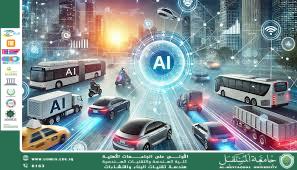
The Application of Artificial Intelligence in Intelligent Transportation Systems
Introduction<br />The transportation sector has witnessed a significant transformation thanks to modern technologies, with artificial intelligence (AI) being one of the most impactful innovations. AI contributes to improving Intelligent Transportation Systems (ITS) by analyzing big data, predicting traffic congestion, enhancing road safety, and developing autonomous vehicles.<br /><br />The Importance of AI in Smart Transportation<br />Intelligent transportation systems rely on AI to address traffic issues and enhance user experiences. Some of the key benefits of AI in transportation include:<br /><br />Traffic Data Analysis and Management<br /><br />AI technologies such as machine learning (ML) and big data analysis help predict traffic congestion and make real-time decisions to improve traffic flow.<br /><br />Data is collected from cameras, sensors, and smart traffic signals, allowing for more efficient vehicle movement management.<br /><br />Autonomous Vehicles<br /><br />Self-driving cars depend on AI technologies, such as computer vision and deep learning, to make driving decisions independently.<br /><br />These vehicles provide solutions to reduce traffic accidents, lower operational costs, and promote sustainable transportation.<br /><br />Smart Navigation Systems<br /><br />AI-powered navigation applications like Google Maps and Waze provide users with alternative routes based on real-time road conditions.<br /><br />These applications utilize advanced algorithms to learn from traffic patterns and enhance drivers’ experiences.<br /><br />Improving Public Transportation<br /><br />AI-based intelligent transportation systems optimize the operation of buses and metro systems by predicting passenger numbers and providing more accurate schedules.<br /><br />These systems help reduce waiting times and improve fuel efficiency.<br /><br />Enhancing Road Safety<br /><br />Technologies such as collision warning systems, smart driving assistants, and traffic sign recognition help reduce accident rates.<br /><br />Automotive companies use AI to develop automatic braking systems and analyze driver behavior to prevent potential accidents.<br /><br />Challenges of AI Implementation in Transportation<br />Despite its numerous benefits, AI adoption in intelligent transportation systems faces some challenges, including:<br /><br />High costs associated with developing and implementing smart infrastructure.<br /><br />Privacy and security concerns due to the collection and analysis of massive amounts of data.<br /><br />Regulatory and legal frameworks that need to be updated to accommodate autonomous vehicles and new technologies.<br /><br />Conclusion<br />AI represents the future of intelligent transportation systems, contributing to improved road safety, reduced congestion, and enhanced efficiency in transportation services. As technology continues to advance, we can expect even smarter and more sustainable transportation systems, positively impacting our daily lives and economies.