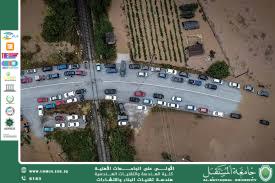
Developing Flood-Resistant and Climate-Adaptable Roads
Introduction<br />With the increasing frequency of extreme weather events due to climate change, floods and severe weather conditions pose a significant threat to transportation infrastructure, causing extensive damage to roads and bridges. To address these challenges, developing flood-resistant and climate-adaptable roads has become a critical necessity to ensure the sustainability and efficiency of transportation networks.<br /><br />The Importance of Developing Flood-Resistant and Climate-Adaptable Roads<br />Traditional roads are not designed to withstand severe impacts from floods and temperature fluctuations, leading to rapid deterioration and high maintenance costs. Therefore, developing resilient roads helps in:<br /><br />Reducing damage caused by natural disasters.<br /><br />Ensuring uninterrupted transportation even under extreme weather conditions.<br /><br />Enhancing resource efficiency and reducing maintenance expenses.<br /><br />Promoting environmental sustainability by using eco-friendly materials.<br /><br />Techniques and Methods for Developing Climate-Resilient Roads<br />Using Advanced Road Paving Materials<br /><br />Utilizing more water-resistant materials such as permeable concrete, which allows natural water drainage.<br /><br />Developing polymer-modified asphalt to improve resistance to temperature changes.<br /><br />Implementing Effective Drainage Systems<br /><br />Establishing modern drainage networks to prevent water accumulation on roads.<br /><br />Using natural drainage solutions like permeable pavements and green channels to absorb rainwater.<br /><br />Elevating Roads in Flood-Prone Areas<br /><br />Designing roads to be elevated above ground level in low-lying and flood-prone regions.<br /><br />Constructing bridges and expanding infrastructure to accommodate large volumes of water.<br /><br />Integrating Smart Technology<br /><br />Deploying sensor systems to monitor water levels and alert authorities when levels rise.<br /><br />Applying artificial intelligence to analyze data and predict flood risks and their impact on roads.<br /><br />Utilizing Sustainable Environmental Solutions<br /><br />Planting flood-resistant vegetation along roadsides to absorb rainwater and reduce surface runoff.<br /><br />Developing natural cooling systems for road surfaces to withstand high temperatures.<br /><br />Challenges in Implementing Climate-Resilient Roads<br />High costs associated with developing and implementing advanced infrastructure.<br /><br />The need for new policies and regulations to support smart and sustainable road development.<br /><br />Unpredictable climate changes requiring continuous updates in design and construction standards.<br /><br />Conclusion<br />Developing flood-resistant and climate-adaptable roads is a crucial step toward achieving a more sustainable and resilient infrastructure. With ongoing innovations in engineering and artificial intelligence, we can build roads capable of withstanding future challenges, reducing economic and environmental damages, and improving overall quality of life.