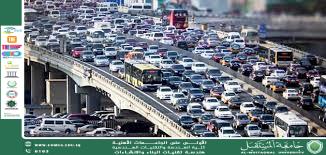
The Importance of Traffic Planning in Reducing Congestion in Major Cities
Introduction<br />Major cities worldwide suffer from traffic congestion, which affects the quality of life, increases fuel consumption, and leads to higher emissions of harmful gases. Traffic planning is one of the essential solutions to this problem, aiming to improve traffic flow, reduce delays, and enhance public transportation for more efficient and sustainable mobility.<br /><br />Causes of Traffic Congestion in Major Cities<br />Several factors contribute to worsening traffic congestion, including:<br /><br />High population density and an increasing number of vehicles.<br /><br />Inadequate road planning and insufficient infrastructure.<br /><br />Weak public transportation systems, leading residents to rely more on private vehicles.<br /><br />Lack of traffic management policies, such as limited parking spaces and poor enforcement of traffic laws.<br /><br />Accidents and construction work that disrupt traffic flow.<br /><br />The Importance of Traffic Planning in Reducing Congestion<br />Effective traffic planning plays a significant role in improving traffic management and reducing congestion in major cities. Key benefits include:<br /><br />Improving Traffic Flow<br /><br />Designing roads to ensure smooth vehicle movement without bottlenecks.<br /><br />Developing intelligent traffic signal systems that adjust in real time based on traffic conditions.<br /><br />Enhancing Public Transportation<br /><br />Expanding mass transit options such as metro systems and rapid bus services to encourage more people to use public transport.<br /><br />Improving infrastructure for pedestrians and cyclists as a sustainable alternative for urban mobility.<br /><br />Managing Transportation Demand<br /><br />Implementing policies such as congestion pricing, where private vehicles are charged fees for entering high-traffic areas, as seen in cities like London and Singapore.<br /><br />Promoting carpooling and alternative transportation methods.<br /><br />Utilizing Smart Traffic Management Technology<br /><br />AI-powered systems to monitor and analyze traffic flow and predict congestion-prone areas.<br /><br />Mobile applications providing real-time traffic updates to help drivers choose optimal routes.<br /><br />Improving Urban Planning<br /><br />Allocating residential areas close to workplaces and essential services to reduce long daily commutes.<br /><br />Promoting the concept of smart cities that rely on sustainable transportation and energy solutions.<br /><br />Challenges of Traffic Planning<br />Despite its importance, traffic planning faces several challenges, such as:<br /><br />High costs associated with developing infrastructure and improving transportation systems.<br /><br />Difficulty in modifying urban layouts in older cities, where streets are narrow and unorganized.<br /><br />Changing travel habits, as many individuals still prefer private vehicles over public transport.<br /><br />Conclusion<br />Traffic planning is the most effective solution to address congestion challenges in major cities. It contributes to improving quality of life, reducing economic and environmental costs, and ensuring a more efficient and sustainable transportation system. By implementing strategies such as enhancing public transportation, utilizing smart technology, and optimizing road design, cities can achieve better mobility and long-term urban development.