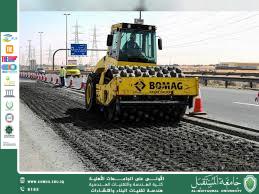
Modern Technologies for Asphalt Recycling and Infrastructure Improvement
Introduction<br />Road infrastructure is a crucial component of economic and social development. However, road deterioration over time leads to high maintenance costs and negative environmental impacts. Therefore, asphalt recycling technologies have emerged as an innovative solution to enhance road quality sustainably, reducing costs, preserving natural resources, and minimizing carbon emissions.<br /><br />The Importance of Asphalt Recycling<br />Asphalt recycling offers numerous environmental and economic benefits, including:<br /><br />Reducing the need for raw materials such as gravel and new asphalt, thus conserving natural resources.<br /><br />Lowering carbon emissions from traditional asphalt production and transportation.<br /><br />Cutting road construction and maintenance costs by reusing old materials.<br /><br />Enhancing road durability and increasing resistance to weather conditions and wear.<br /><br />Latest Asphalt Recycling Technologies<br />Asphalt recycling relies on modern techniques aimed at improving road quality and extending its lifespan. The most notable techniques include:<br /><br />1. Cold Recycling<br />This technique reuses old asphalt without heating, reducing energy consumption.<br /><br />The recycled asphalt is mixed with new binding materials to improve its quality.<br /><br />It is used for repairing deteriorated roads without completely removing the layers.<br /><br />2. Hot Recycling<br />This method involves heating old asphalt and adding new materials to enhance its mechanical properties.<br /><br />It can be performed in plants or directly at construction sites using specialized machines.<br /><br />It provides superior strength and durability compared to cold recycling.<br /><br />3. In-Place Recycling<br />Conducted directly on-site without transporting materials, reducing costs and emissions.<br /><br />Includes methods such as Cold In-Place Recycling (CIR) and Hot In-Place Recycling (HIR).<br /><br />Helps in quick road repairs while minimizing traffic disruptions.<br /><br />4. Modified Recycled Asphalt<br />Incorporates polymers or recycled rubber from tires to strengthen the recycled asphalt.<br /><br />Enhances road resistance to cracking and wear caused by weather and heavy traffic.<br /><br />5. Nano Technology in Asphalt Recycling<br />Uses nanomaterials to improve the properties of recycled asphalt, increasing its resistance to water and heat.<br /><br />Helps extend road lifespan and performance in harsh environments.<br /><br />Enhancing Infrastructure Through Asphalt Recycling<br />Asphalt recycling not only improves road quality but also plays a key role in infrastructure enhancement by:<br /><br />Reducing repair time through fast and efficient maintenance techniques.<br /><br />Lowering government expenses by decreasing the need for entirely new road construction.<br /><br />Promoting sustainable development by adopting environmentally friendly policies that support a circular economy.<br /><br />Challenges Facing Asphalt Recycling<br />Despite its many benefits, asphalt recycling faces several challenges, such as:<br /><br />High initial investments required for modern equipment.<br /><br />Variability in recycled material quality, necessitating strict standards to ensure reliability.<br /><br />Lack of awareness about the importance of these technologies in some countries, slowing their adoption.<br /><br />Conclusion<br />Asphalt recycling technologies represent a revolution in road maintenance and infrastructure improvement, offering cost savings, environmental benefits, and long-term sustainability. With ongoing advancements in this field, countries can leverage these technologies to build a durable and efficient infrastructure that serves future generations.