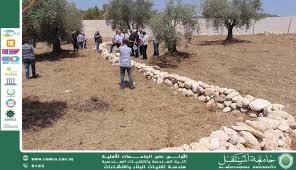
The Use of Water Harvesting Technology in Arid Regions
Introduction<br />Many arid regions around the world suffer from water scarcity due to low rainfall and high temperatures, impacting agriculture, drinking water availability, and sustainable development. In response to these challenges, water harvesting technology has emerged as an innovative solution aimed at collecting and storing rainwater and groundwater for efficient use in these regions. This contributes to improving water security and supporting economic and environmental activities.<br /><br />What is Water Harvesting?<br />Water harvesting is the process of collecting and storing rainwater or groundwater for later use in irrigation, drinking, and industrial purposes. This technique can be implemented through various methods, such as small dams, reservoirs, rooftop water harvesting systems, and modern technologies that minimize water loss.<br /><br />The Importance of Water Harvesting in Arid Regions<br />Enhancing Water Security: Provides a sustainable water source in areas suffering from natural water resource shortages.<br /><br />Supporting Agriculture: Helps irrigate crops and increase agricultural productivity, reducing reliance on groundwater.<br /><br />Reducing Drought Risks: Ensures water availability during dry periods, helping local communities withstand climate changes.<br /><br />Environmental Protection: Reduces soil erosion and improves groundwater quality by limiting excessive water extraction.<br /><br />Lowering Costs: Reduces expenses associated with importing water or constructing costly water infrastructure.<br /><br />Water Harvesting Techniques Used in Arid Regions<br />1. Rooftop Rainwater Harvesting<br />Collects rainwater from rooftops using gutters and storage tanks.<br /><br />The water can be used for drinking after treatment or for irrigation and other domestic purposes.<br /><br />2. Construction of Small Dams and Earthen Barriers<br />Used to capture rainwater and floodwaters for agricultural and community needs.<br /><br />Helps prevent soil erosion and contributes to groundwater recharge.<br /><br />3. Groundwater Recharge Techniques<br />Includes the creation of recharge wells or drainage systems that allow rainwater to seep into the ground, replenishing groundwater supplies.<br /><br />4. Smart Materials for Dew Harvesting<br />Utilizes advanced technologies to capture water droplets from the air in arid areas and convert them into drinkable water.<br /><br />5. Artificial Lakes and Underground Reservoirs<br />Used to store water during rainy seasons for use during dry periods.<br /><br />Helps reduce evaporation and maintain water quality.<br /><br />Challenges Facing Water Harvesting Implementation<br />High Initial Costs for setting up water harvesting systems.<br /><br />Lack of Awareness about the benefits of this technology in some communities.<br /><br />Climate Variability, which may affect the expected amount of annual rainfall.<br /><br />Need for Supportive Policies and Regulations to ensure effective implementation of water harvesting projects.<br /><br />Conclusion<br />Water harvesting represents a promising technology that can help address water scarcity issues in arid regions, enhance sustainable development, and support environmental and social stability. By investing in these innovative solutions, arid communities can improve their living conditions and mitigate the effects of drought and climate change.