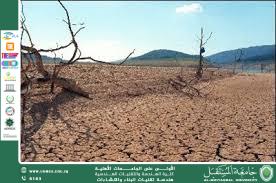
The Impact of Climate Change on Groundwater Resources
Introduction<br />Groundwater is one of the most important natural sources of freshwater, relied upon by millions of people worldwide for drinking, agriculture, and industry. However, climate change poses a significant threat to these resources, as rising temperatures and changes in rainfall patterns disrupt groundwater recharge and lead to unprecedented depletion rates.<br /><br />How Does Climate Change Affect Groundwater?<br />Climate change impacts groundwater in several key ways:<br /><br />1. Changes in Rainfall Patterns<br />Climate change causes fluctuations in rainfall amounts, with some regions experiencing increased precipitation while others suffer from prolonged droughts.<br /><br />Reduced rainfall leads to a decrease in the amount of water infiltrating the ground, lowering groundwater reserves.<br /><br />Intense storms and heavy rainfall can increase surface runoff instead of allowing water to seep into underground reservoirs, reducing natural recharge processes.<br /><br />2. Rising Temperatures and Increased Evaporation<br />Higher temperatures result in increased evaporation from soil and water bodies, reducing the amount of water available for groundwater recharge.<br /><br />Increased evaporation also leads to soil dryness, decreasing the land’s ability to absorb and retain water.<br /><br />3. Rising Sea Levels and Saltwater Intrusion<br />Melting glaciers and rising sea levels cause seawater to seep into coastal aquifers, contaminating freshwater supplies and making them unsuitable for drinking and irrigation.<br /><br />Many coastal areas are already experiencing freshwater loss due to saltwater intrusion into drinking and irrigation wells.<br /><br />4. Increased Groundwater Consumption<br />As droughts become more frequent, communities and farmers rely more on groundwater, depleting reserves at a faster rate than they can naturally replenish.<br /><br />In many areas, groundwater levels have dropped significantly, making extraction more expensive and technically challenging.<br /><br />Consequences of Groundwater Depletion<br />Water Security Decline: Lower groundwater levels result in shortages for drinking water and irrigation, affecting millions of people.<br /><br />Negative Impact on Agriculture: Many agricultural areas depend on groundwater, and its depletion reduces crop production and increases irrigation costs.<br /><br />Environmental Risks: Drying of wetlands, loss of biodiversity, and increased desertification in arid regions.<br /><br />Economic Challenges: Rising costs for deeper groundwater extraction and increased reliance on expensive desalination technologies.<br /><br />Possible Solutions to Mitigate Climate Change Impacts on Groundwater<br />1. Improved Water Resource Management<br />Implementing policies to regulate groundwater use and encourage sustainable practices in agriculture and industry.<br /><br />Developing modern irrigation techniques to increase efficiency and reduce water waste.<br /><br />2. Enhancing Groundwater Recharge<br />Constructing small reservoirs and dams to store rainwater and improve groundwater replenishment.<br /><br />Developing rainwater harvesting systems to reduce dependence on groundwater.<br /><br />3. Utilizing Alternative Water Sources<br />Expanding desalination technologies to provide additional freshwater sources.<br /><br />Reusing treated wastewater for irrigation and industrial purposes to reduce groundwater extraction.<br /><br />4. Reducing Carbon Emissions to Combat Climate Change<br />Transitioning to renewable energy sources to minimize climate impacts.<br /><br />Implementing afforestation programs to increase vegetation cover and improve soil water retention.<br /><br />Conclusion<br />Climate change poses a serious threat to groundwater resources and global water security. To ensure the sustainability of these vital resources, immediate action is needed, including better water management, enhanced recharge techniques, and the adoption of alternative water sources. By implementing effective policies and innovative solutions, we can mitigate climate change effects and safeguard groundwater for future generations.