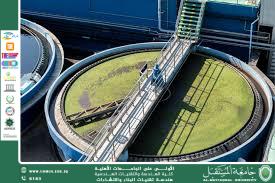
Wastewater Treatment and Reuse Technologies
Introduction<br />With the increasing demand for freshwater and the shortage of water resources in many regions worldwide, finding sustainable solutions has become essential. Wastewater treatment and reuse are among the most effective techniques that help reduce freshwater consumption, protect the environment, and promote sustainable development. This process relies on a series of technologies aimed at purifying wastewater and making it suitable for reuse in agriculture, industry, and even drinking after advanced treatment.<br /><br />Stages of Wastewater Treatment<br />Wastewater undergoes several treatment stages to ensure its quality before reuse. These stages include:<br /><br />1. Primary Treatment (Physical Treatment)<br />Large solid materials such as stones, leaves, and plastics are removed using screens and filters.<br /><br />Sedimentation tanks are used to remove heavy suspended particles that settle at the bottom.<br /><br />2. Secondary Treatment (Biological Treatment)<br />Bacteria and microorganisms are used to break down organic matter in the water.<br /><br />Techniques such as aeration tanks, which inject oxygen to enhance bacterial activity, or anaerobic tanks, which operate in an oxygen-free environment to decompose pollutants, are used.<br /><br />3. Tertiary Treatment (Advanced Treatment)<br />Aims to remove fine particles, including viruses, bacteria, heavy metals, and harmful chemicals.<br /><br />Includes sand filtration, reverse osmosis, and ultraviolet (UV) disinfection to kill bacteria.<br /><br />Chlorine or ozone may be added as a final step to ensure water purity.<br /><br />Wastewater Reuse Technologies<br />Once treated, wastewater can be reused in various applications through advanced technologies, including:<br /><br />1. Agricultural Reuse<br />Treated wastewater can be used for irrigation, especially in water-scarce regions.<br /><br />Reduces dependence on freshwater and improves agricultural productivity.<br /><br />2. Industrial Reuse<br />Can be used for cooling, manufacturing, and cleaning in industrial facilities.<br /><br />Helps reduce freshwater consumption and operational costs.<br /><br />3. Municipal Uses<br />Can be used for irrigating public gardens, street cleaning, and firefighting.<br /><br />Contributes to improving urban life quality and reducing pressure on freshwater resources.<br /><br />4. Drinking Water Reuse (After Advanced Treatment)<br />Some developed countries use highly advanced treatment technologies to make wastewater safe for drinking.<br /><br />These technologies include reverse osmosis, ultraviolet (UV) disinfection, and advanced chemical treatment to ensure high water quality.<br /><br />Benefits of Wastewater Treatment and Reuse<br />Environmental Protection: Reduces pollution of surface and groundwater.<br /><br />Freshwater Conservation: Helps preserve natural water resources for future generations.<br /><br />Cost Reduction: Lowers the expenses of extracting and treating freshwater.<br /><br />Sustainable Development: Provides long-term water solutions for growing populations.<br /><br />Challenges of Wastewater Reuse<br />High Costs: Requires advanced technologies and significant investments.<br /><br />Health Concerns: Treated water must meet strict standards before being used for drinking.<br /><br />Public Perception: Some communities resist the use of treated wastewater due to hygiene and safety concerns.<br /><br />Conclusion<br />Wastewater treatment and reuse represent innovative solutions to address water shortages and ensure environmental sustainability. With continuous technological advancements, the quality of treated water can be improved, increasing its acceptance for various applications. By investing in these technologies and raising awareness of their importance, we can reduce pressure on natural water resources and secure water availability for future generations.