Improving Agricultural Productivity Using Artificial Intelligence in Plant Disease Detection(Prof. Dr. Mehdi Ebady Manaa).
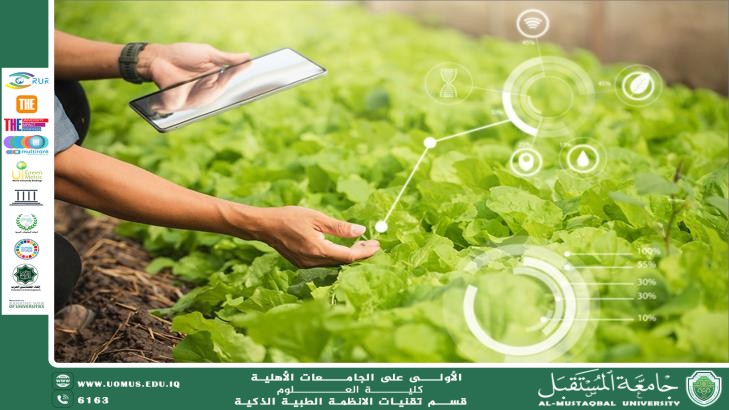
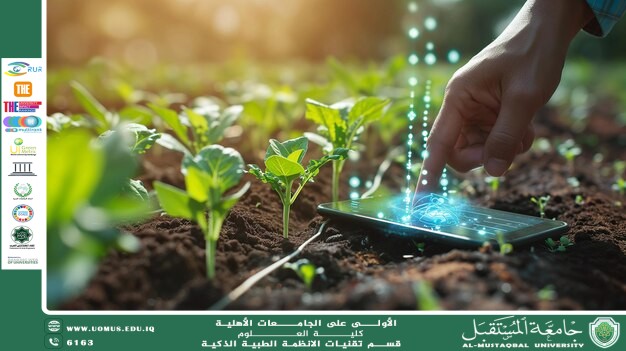
Plant diseases pose a significant threat to agricultural crops, and delayed detection often leads to substantial losses. Artificial intelligence (AI) has become an innovative tool to help farmers detect diseases at an early stage, thereby improving agricultural productivity and reducing the use of chemical pesticides.<br />This technology relies on advanced algorithms to analyze plant images and identify symptoms of diseases with high accuracy. Farmers can capture images of crops using their smartphones or drones, and AI analyzes these images to detect any abnormal signs, such as color changes in leaves or the appearance of unusual spots.<br />One of the main advantages of this technology is its ability to provide rapid diagnoses without the need for specialized laboratories, allowing farmers to take immediate remedial actions. Additionally, some smart systems provide recommendations on the most suitable treatment methods based on the type of disease, climate, and soil conditions, helping reduce pesticide dependency and improving product quality.<br />With the increasing interest in smart agriculture, these technologies are expected to continue evolving, contributing to more efficient and sustainable agricultural production, and enhancing food security worldwide.<br /><br />Al-Mustaqbal University is the first University in Iraq.