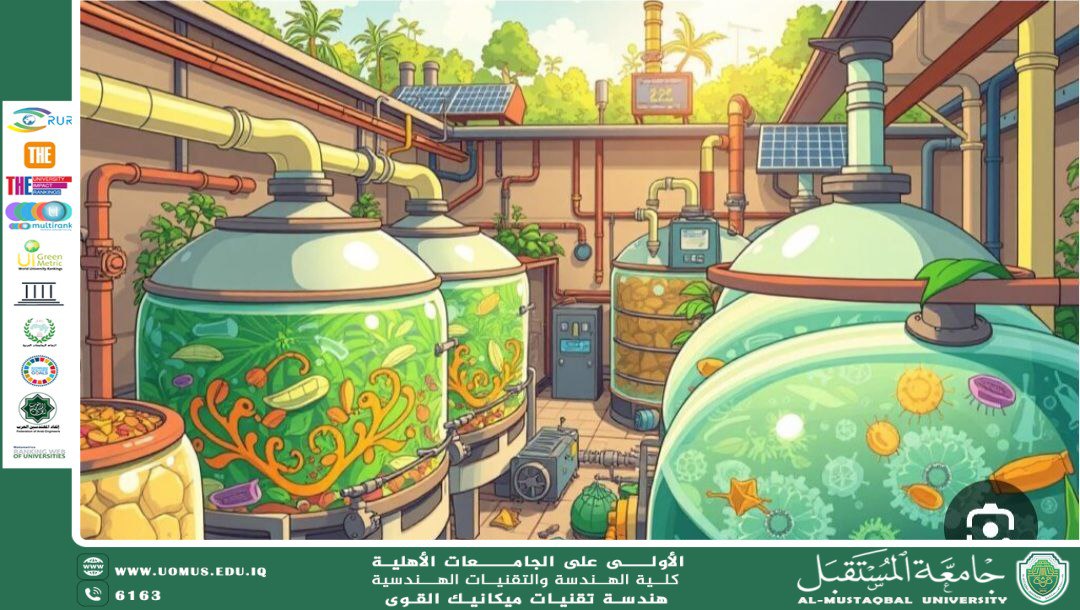
Fermentation of Organic Waste to Produce Energy: A Sustainable Solution for the Future
<br />Fermentation of organic waste to produce energy is a promising and sustainable solution that addresses two major global challenges: waste management and renewable energy production. This process involves the breakdown of organic materials through microbial activity in an anaerobic (oxygen-free) environment, resulting in the production of biogas—primarily composed of methane and carbon dioxide. This biogas can then be used as a source of energy for electricity generation, heating, or even as a vehicle fuel.<br />What is Fermentation of Organic Waste?<br />Fermentation, in the context of organic waste, is the process where microbes break down organic matter such as food scraps, agricultural residues, animal manure, or industrial waste in the absence of oxygen. This microbial digestion occurs in a specially designed system called a digester, which creates the ideal conditions for the microbes to thrive.<br />During fermentation, complex organic molecules like carbohydrates, proteins, and fats are broken down into simpler compounds. The anaerobic bacteria involved in the process convert the organic materials into biogas (primarily methane), which can be captured and used as a renewable energy source.<br />Key Steps in the Fermentation Process<br />Hydrolysis: The organic waste is broken down into simple sugars, fatty acids, and amino acids by the action of microorganisms.<br />Acidogenesis: In this step, the simple compounds are further fermented into volatile fatty acids, hydrogen, and carbon dioxide.<br />Acetogenesis: Acetogenic bacteria convert the products from acidogenesis into acetic acid, hydrogen, and carbon dioxide.<br />Methanogenesis: Methanogenic bacteria convert the final products into methane, which is the main component of biogas.<br />This entire process takes place in a bioreactor or anaerobic digester, where temperature, pH, and moisture levels are carefully controlled to optimize the microbial activity and biogas production.<br />Benefits of Fermentation of Organic Waste<br />Waste Reduction: One of the most immediate benefits of using organic waste for fermentation is the reduction of landfill waste. Organic materials, which would otherwise decompose in landfills and release methane (a potent greenhouse gas), are instead converted into useful biogas.<br />Renewable Energy Source: The methane produced during fermentation is a clean, renewable energy source that can be used to generate electricity, heat, or even fuel vehicles. This contributes to a reduction in reliance on fossil fuels and helps reduce greenhouse gas emissions.<br />Environmental Benefits: In addition to reducing landfill waste, fermentation of organic waste helps prevent methane emissions from landfills, where it would otherwise contribute to climate change. The process also produces a nutrient-rich digestate, which can be used as a natural fertilizer for agricultural purposes.<br />Economic Opportunities: Fermentation technology offers significant economic potential. It can create jobs in the waste management and renewable energy sectors and provide a cost-effective energy solution for communities and industries. Furthermore, the sale of biogas can provide revenue for municipalities or businesses that invest in fermentation infrastructure.<br />Challenges and Considerations<br />Despite its many advantages, the fermentation of organic waste for energy production faces some challenges:<br />Feedstock Quality: The efficiency of the fermentation process depends on the composition and quality of the organic waste. Some materials, such as plastic or non-biodegradable substances, can contaminate the feedstock, reducing the overall yield of biogas.<br />Operational Costs: The initial investment in anaerobic digestion infrastructure, including bioreactors and monitoring systems, can be expensive. Additionally, maintaining optimal conditions for microbial activity requires regular monitoring and operational costs.<br /><br />Scalability: While small-scale digestion units can be effective for local waste-to-energy solutions, scaling up the technology for large urban areas or industries requires careful planning to ensure that the energy produced meets the demand.<br />Public Awareness and Adoption: Widespread adoption of organic waste fermentation requires education and awareness campaigns. People need to understand the importance of separating organic waste from other types of waste and the benefits of this technology in reducing environmental impact.<br />Future Prospects<br />As technology advances, the fermentation of organic waste holds even greater potential. Innovations in genetic engineering and microbial research may lead to more efficient bacteria strains that can process organic materials faster and produce higher yields of biogas. Additionally, advances in bioreactor design and process optimization will make the technology more affordable and scalable.<br />Governments and organizations around the world are increasingly recognizing the potential of biogas production from organic waste. Policies and incentives are being introduced to support the development of waste-to-energy infrastructure, making the process more accessible to both rural and urban communities.<br />Conclusion<br />The fermentation of organic waste to produce energy offers a sustainable, environmentally friendly solution to two of the most pressing issues facing the planet today: waste management and the need for renewable energy. By harnessing the power of microbes to convert organic materials into biogas, we can reduce landfill waste, mitigate greenhouse gas emissions, and generate clean energy. As technology continues to improve, the widespread adoption of organic waste fermentation could play a pivotal role in creating a more sustainable and circular economy.<br /><br />M.Sc Abrar Abdulkareem