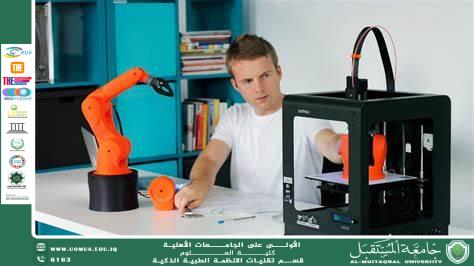
3D Printing in Prosthetic Manufacturing: The Future is Near( Prof. Dr. Mehdi Ebady Manaa)
3D printing has revolutionized the field of prosthetic manufacturing, offering an innovative and customized solution for individuals who have lost limbs due to accidents or diseases. Thanks to this technology, it is now possible to produce prosthetics at lower costs and higher quality, making them more accessible to people around the world.<br />3D printing relies on digital designs that can be customized according to each patient’s needs, ensuring greater comfort and better functional performance. The use of advanced materials such as biopolymers and metals contributes to enhancing the durability and lightweight properties of prosthetics.<br />Despite the many advantages of this technology, there are some challenges, such as the need to develop more biocompatible materials and improve printing techniques to provide more complex prosthetics. However, the future looks promising for this technology, as ongoing research continues to improve its efficiency and make it more widely available to serve people with disabilities globally.<br /><br />Al-Mustaqbal University is the first University in Iraq.