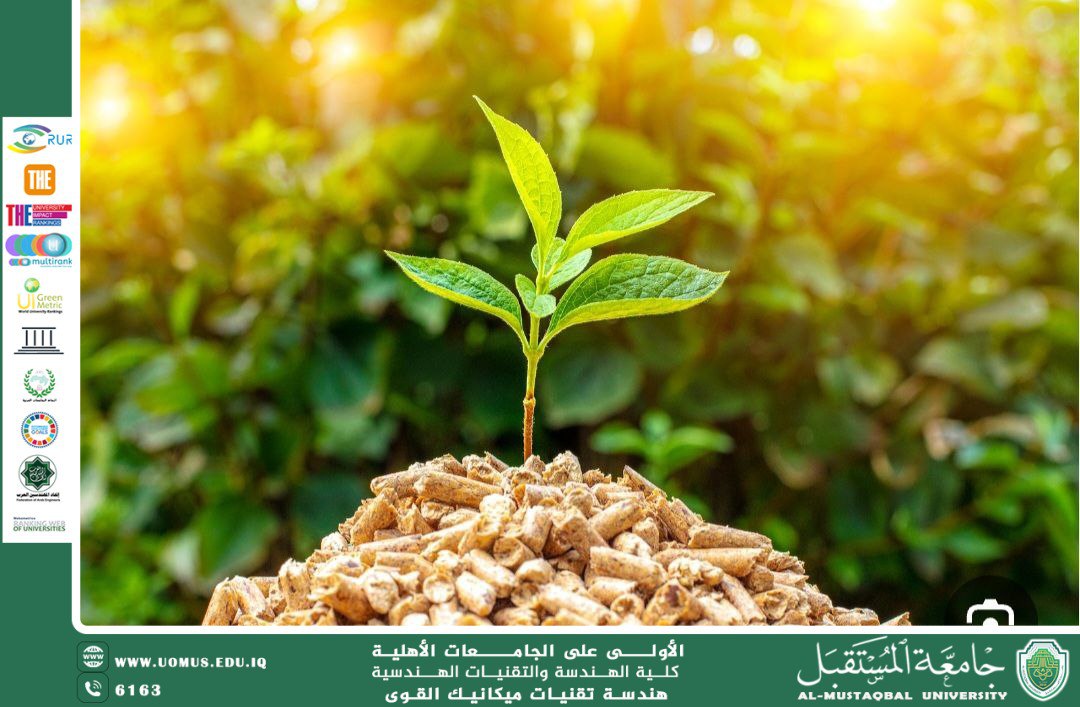
Biomass: A Sustainable Energy Source for the Future
<br />As the world moves towards more sustainable energy solutions, biomass has emerged as a promising renewable energy source. Derived from organic materials such as plants, agricultural waste, and wood, biomass offers a viable alternative to fossil fuels while reducing greenhouse gas emissions.<br /><br />What is Biomass?<br /><br />Biomass is any organic material that can be used as fuel to generate energy. Common sources of biomass include:<br /><br />Wood and wood waste<br /><br />Agricultural residues<br /><br />Dedicated energy crops<br /><br />Animal manure<br /><br />Municipal solid waste<br /><br /><br />These materials can be converted into different forms of energy, such as heat, electricity, and biofuels, making biomass a versatile energy source.<br /><br />How Biomass Energy Works<br /><br />Biomass energy is produced through several processes:<br /><br />1. Combustion – Direct burning of biomass to generate heat or electricity.<br /><br /><br />2. Gasification – Converting biomass into a gas mixture (syngas) for electricity production.<br /><br /><br />3. Anaerobic Digestion – Using microorganisms to break down organic matter and produce biogas (methane and carbon dioxide).<br /><br /><br />4. Pyrolysis – Heating biomass in the absence of oxygen to produce bio-oil, which can be further refined into biofuels.<br /><br /><br />5. Fermentation – Converting biomass, such as corn or sugarcane, into ethanol for use as a biofuel.<br /><br /><br /><br />Advantages of Biomass Energy<br /><br />Renewable and Abundant – Biomass is continually replenished through natural processes.<br /><br />Carbon Neutral – Plants absorb carbon dioxide during growth, balancing emissions from combustion.<br /><br />Waste Reduction – Biomass energy utilizes agricultural and municipal waste, reducing landfill waste.<br /><br />Energy Security – Reduces dependence on fossil fuels and enhances energy independence.<br /><br /><br />Challenges and Considerations<br /><br />Despite its benefits, biomass energy also faces some challenges:<br /><br />Land and Resource Use – Large-scale biomass production may compete with food crops and impact land use.<br /><br />Efficiency – Biomass has a lower energy density compared to fossil fuels, requiring more material to produce the same energy output.<br /><br />Emissions and Pollution – While biomass is cleaner than coal, improper combustion can release harmful pollutants.<br /><br /><br />The Future of Biomass Energy<br /><br />Advancements in biomass technology are improving efficiency and sustainability. Innovations such as algae-based biofuels, improved gasification techniques, and integrated bioenergy systems are making biomass a more viable energy solution. Governments and industries worldwide are investing in biomass projects to diversify energy sources and combat climate change.<br /><br />As we transition towards a greener future, biomass remains a key player in sustainable energy production. With responsible management and technological progress, it has the potential to significantly contribute to a cleaner and more sustainable world.<br /><br />M.Sc Abrar Abdulkareem