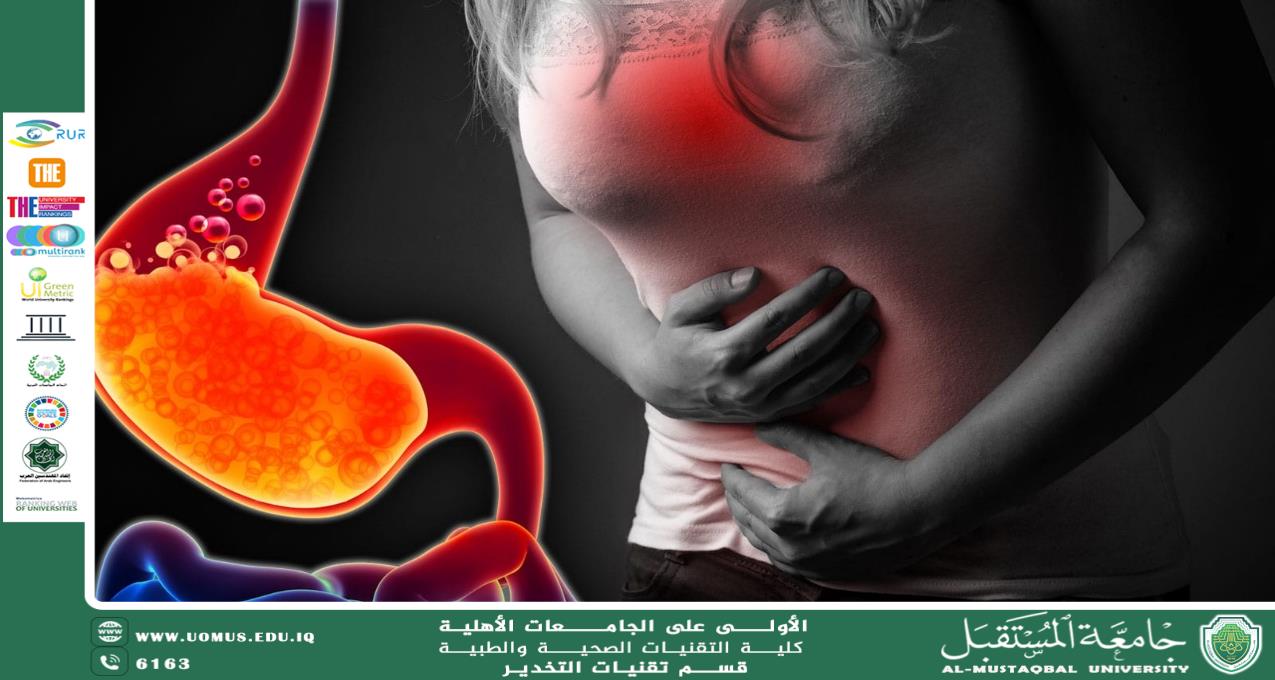
gerd
Gastroesophageal reflux disease (GERD) is when the contents of your stomach persistently move back up into your esophagus. These contents sometimes contain excessive acid and may cause irritation and pain<br />Many people may experience acid reflux, indigestion, or heartburn from time to time. However, if you experience acid reflux symptoms more than twice per week, you may have gastroesophageal reflux disease (GERD).<br />GERD affects about 20%Trusted Source of people. If left untreated, it may lead to serious complications.<br /><br /><br /><br />Symptoms of GERD<br />The most common symptom of GERD is persistent heartburn, which may involve:<br /> • a burning feeling in your stomach that may rise to your chest, neck, and throat<br /> • a sour or bitter taste at the back of your mouth<br /> • regurgitation of food or liquid from your stomach into your mouth<br />Other possible symptoms of GERD include:<br /> • a feeling of fullness or of a lump in the back of your throat (globus sensation)<br /> • chronic cough<br /> • a hoarse voice<br /> • bad breath<br />In some cases, people may experience alarmTrusted Source symptoms associated with GERD. These are typically persistent and could progressively worsen despite medical treatment. Alarm symptoms may also indicate an underlying condition.<br />Alarm symptoms may include:<br /> • difficulty swallowing (dysphagia)<br /> • pain when swallowing (odynophagia)<br /> • nausea or vomiting<br /> • weight loss<br /> • anemia<br /> • bleeding<br />Heartburn or heart attack?<br />Heartburn and heart attacks are two common causes of chest pain. However, their causes and sensations are typically different:<br /> • Heartburn may occur when acidic contents of your stomach move back up into your esophagus. This may cause a burning sensation that rises from your stomach and radiates into your chest.<br /> • Heart attack is when your heart doesn’t get enough blood and oxygen due to a reduced flow of blood in one or more major arteries. This may cause sudden, uncomfortable, or sharp pain in the center or left side of your chest that feels like pressure or squeezing. It could spread to your neck, jaw, and shoulder too.<br />If you’re feeling any heart attack symptoms, such as shortness of breath or faintness, get medical assistance immediately.<br />causes of GERD<br />GERD commonly causes acid reflux, which may result from improper functioning of the lower esophageal sphincter (LES).<br />The LES is a circular band of muscle at the end of your esophagus. When you swallow, it relaxes and opens up to allow food and liquid to travel from your mouth to your stomach. Then, it tightens and closes again.<br />Acid reflux happens when your LES doesn’t tighten or close properly. This allows digestive juices and other contents of your stomach to rise up into your esophagus.<br />Your LES may not function properly if you:<br /> • Have a hiatal hernia: This occurs when part of your stomach moves above your diaphragm toward your chest. If your diaphragm is compromised, it may prevent your LES from functioning properly.<br /> • Frequently eat large meals: This may cause distension of the upper part of your stomach. This distension sometimes means there isn’t enough pressure on the LES, and it doesn’t close properly.<br /> • Lie down too soon after meals: This might not create enough pressure for the LES to function properly.<br />Other factors, including those listed below, may also contribute to having heartburn more than twice a week.<br />Lifestyle factors<br />Lifestyle factors that may contribute to persistent reflux with esophageal inflammation include:<br /> • smoking or being exposed to secondhand smoke<br /> • eating large meals before lying down<br /> • using an abundance of nonsteroidal anti-inflammatory drugs such as aspirin and ibuprofen<br />Health factors<br />Health factors such as the following may contribute to GERD:<br /> • obesity<br /> • pregnancy<br /> • connective tissue disorders<br /> • older age<br />Other conditions<br />Other health conditions that can worsen the symptoms of GERD include:<br /> • anxiety<br /> • pregnancy<br /> • asthma<br /> • irritable bowel syndrome<br />Alcohol<br />Studies suggest that drinking alcohol may increase the risk of GERD. The greater the quantity of alcohol and frequency of consumption, the greater the correlation.<br />If you’ve received a diagnosis of GERD, limiting or stopping alcohol intake may provide symptom relief.<br /><br />Dietary triggers<br />Some foods may trigger GERD symptoms more than others, including:<br /> • high fat foods such as fried and fast foods<br /> • spicy foods<br /> • certain fruits and vegetables, such as pineapple, tomato, and citrus<br /> • certain liquids, such as coffee, tea, and carbonated drinks<br /><br /><br />Treatment for GERD<br />Lifestyle strategies<br />To manage and relieve symptoms of GERD, certain home remedies and lifestyle habits may help, including:<br /> • breathing exercises<br /> • consuming foods and liquids that may help with your acid reflux<br /> • making efforts to maintain a moderate weight<br /> • quitting smoking, if you smoke<br /> • avoiding eating big, heavy meals in the evening<br /> • waiting 2–3 hours after eating to lie down<br /> • elevating your head during sleep<br /> د. رؤى نشات الصفار<br />Al-Mustaqbal University is the first university in Iraq