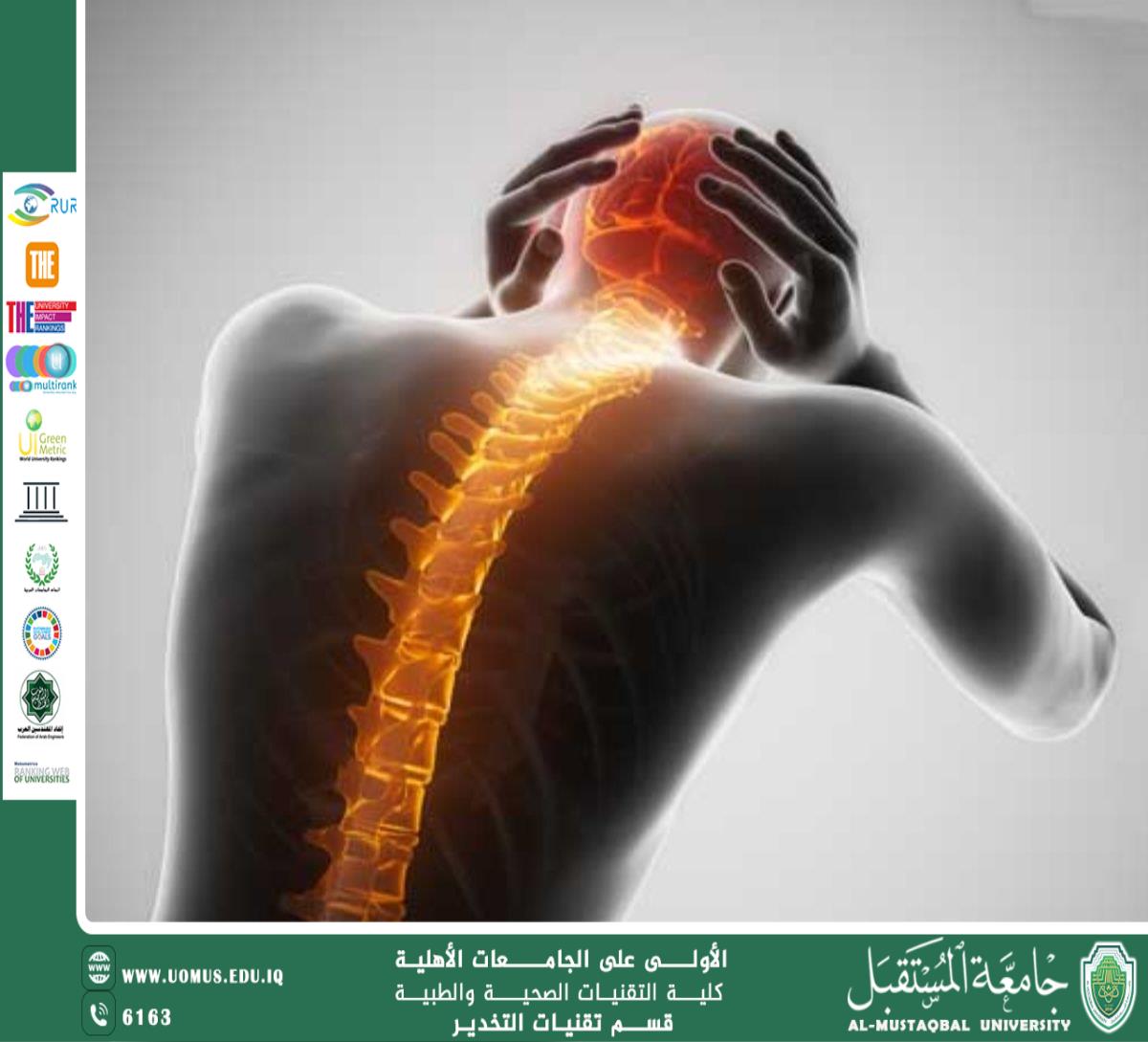
Post-Spinal Anesthesia Headache: Etiology, Diagnosis, and Management
Abstract<br />Post-dural puncture headache (PDPH) is a well-known complication of spinal anesthesia, occurring in 0.5%–5% of cases. It typically presents as a positional headache due to cerebrospinal fluid (CSF) leakage, leading to intracranial hypotension. This article reviews the pathophysiology, risk factors, clinical presentation, diagnostic criteria, and evidence-based management strategies for PDPH, with an emphasis on preventive measures and therapeutic interventions. <br /><br />lntroduction<br />Spinal anesthesia is widely used for surgical procedures involving the lower abdomen, pelvis, and lower extremities. Despite its safety, PDPH remains a significant postoperative concern, affecting patient recovery and satisfaction. Understanding its mechanisms and management is crucial for anesthesiologists and healthcare providers. <br /><br />Etiology and Pathophysiology <br />PDPH primarily results from CSF leakage through the dural puncture site, causing decreased intracranial pressure (ICP). This leads to: <br />Traction on pain-sensitive structures (meninges, blood vessels, cranial nerves). <br />- Venous dilation due to reduced CSF buoyancy. <br />- Compensatory cerebral vasodilation, worsening headache. <br /><br />Risk Factors <br />| Patient-Related | Technique-Related | <br />| Female gender (especially pregnancy) | Large-gauge needles | <br />| Younger age (<50 years) | Cutting-tip needles (Quincke) | <br />| Low BMI | Multiple puncture attempts | <br />| History of PDPH or chronic headache | Bevel orientation (parallel vs. perpendicular) | <br /><br />Clinical Features <br /> Key Symptoms <br />- Positional headache (worsens within 15 min of sitting/standing, improves when supine). <br />- Onset: 24–48 hours post-procedure (may occur up to 7 days later). <br />- Associated symptoms: <br /> - Nausea/vomiting (60%). <br /> - Neck stiffness (30%). <br /> - Photophobia, tinnitus, diplopia (rare; cranial nerve VI palsy). <br /><br />Diagnostic Criteria (IHS-3) <br />1. Headache developing within 5 days of dural puncture. <br />2. Worsens within 15 min of upright position. <br />3. Improves within 30 min of lying down. <br />4. Resolves spontaneously within 2 weeks or after epidural blood patch (EBP). <br /><br />Differential Diagnosis <br />- Migraine or tension-type headache. <br />- Intracranial hypotension (non-PDPH causes). <br />- Meningitis (if fever/nuchal rigidity present). <br />- Subdural hematoma (rare, requires imaging). <br /><br /> Management Strategies <br /> Conservative Treatment <br />1. Bed rest (limited evidence; some benefit in early phase). <br />2. Hydration + caffeine (oral/IV; vasoconstricts cerebral vessels). <br />3. Analgesics: <br /> - Paracetamol/NSAIDs (first-line). <br /> - Theophylline (shows promise in recent studies). <br /><br /> Invasive Treatment <br />1. Epidural Blood Patch (EBP) <br /> - Gold standard for severe/intractable PDPH. <br /> - Success rate: 85%–90% after first attempt. <br /> - Mechanism: Autologous blood (15–20 mL) injected epidurally forms a clot, sealing the leak. <br /><br />2. Spinal Catheter Infusion <br /> - Rarely used; continuous CSF infusion may help in refractory cases. <br /><br />Prevention <br />- Needle selection: <br /> - Smaller gauge (25G–27G preferred over 22G). <br /> - Pencil-point needles (Whitacre, Sprotte) reduce CSF leak risk. <br />- Proper technique: <br /> - Bevel parallel to dural fibers. <br /> - Avoid multiple punctures. <br />- Prophylactic EBP: Not routinely recommended but considered in high-risk cases. <br /><br />Conclusion <br />PDPH is a self-limiting but distressing complication of spinal anesthesia. Early recognition and conservative management suffice for mild cases, while EBP remains definitive for severe symptoms. Advances in needle design and procedural techniques continue to reduce its incidence. <br /><br />References <br />1. International Headache Society (IHS). *The International Classification of Headache Disorders, 3rd Edition (ICHD-3)<br />2. Arevalo-Rodriguez I, et al. (2016). Postural manoeuvres for preventing post-dural puncture headache. Cochrane Database Syst Rev. <br />3. Turnbull DK, Shepherd DB (2003). Post-dural puncture headache: pathogenesis, prevention, and treatment. Br J Anaesth. <br />4. Basurto Ona X, et al. (2015). *Drug therapy for preventing post-dural puncture headache. Cochrane Database Syst Rev<br /><br />م.حسين شداد حمد<br />Al-Mustaqbal University is the first university in Iraq