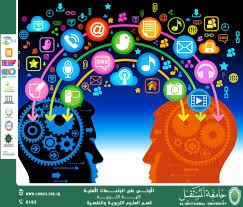
The Psychological Effects of Media on Psychological Behavior
The Psychological Effects of Media on Psychological Behavior<br /><br />M.M. Amal Muhammad Jabir / Lecturer in the Department of Educational and Psychological Sciences<br /><br />In recent decades, the world has witnessed tremendous developments in media and technology, significantly changing the way people communicate with others and with society. From television and the internet, information and social communication have become more widespread than ever before, and their influence on individuals and media communities is undeniable. The psychological and social effects of media vary widely, with positive effects on psychological and social behavior. In this article, we will examine the impact of media on individuals from a social and psychological perspective, and discuss how media can affect mental health and social interactions.<br /><br />1. Available Information on Social Awareness<br />Media is one of the most important aspects of social awareness among individuals. Through the news they receive, people's understanding of the world is shaped. This can have a positive impact, as it can raise awareness about important social issues such as human rights, social justice, and equality. For example, the phenomenon of promoting discrimination against women or violence against women contributes to many social effects. The media can also reinforce negative images and influence a specific group of people, leading to the spread of racial and ethnic discrimination. As John Thompson points out in his book, "Media and Modernity: A Social Theory of Mass Media," the media can make advanced demands and lead to the formation of inaccurate perceptions of people's contributions, especially based on race, religion, or gender.<br /><br />2. Psychological Effects of the Media: Anxiety and Depression<br />One of the negative effects of the media is increased levels of anxiety and depression, especially among young people. Media, whether television or the internet, often contributes to news related to taxes and catastrophes, such as wars, natural disasters, and crimes. This type of content can increase anxiety and fear in people, leading to what is known as "media anxiety" or "negative media influence."<br /><br />A 2015 study by David Lopez found that intense news in the media leads to increased feelings of anxiety and depression among viewers, especially if the content deals with issues such as violence or disease. This news can contribute to a permanently dangerous imbalance, leading to adverse effects on mental health.<br /><br />In addition, social media can create a sense of inferiority and social pressure. A study from Oxford University confirms that people who engage more in social media have higher levels of anxiety and depression than those who do not engage extensively with these platforms. Social media contributes to the creation of powerful forces among individuals, increasing their hunger without generating it.<br /><br />3. Media and the Shaping of Social Behaviors: Effects on Violence and Social Practices<br />The influence of media on social behaviors is one of the most studied social psychology studies. Although media can be a powerful means of education and enlightenment, it can also contribute to the dissemination of aggressive and hateful activities. According to the "social model" theory developed by Albert Bandura, people tend to adopt the norms and behaviors that are presented in the media, whether good or bad. Researchers have observed that children and adolescents exposed to content in films or videos can lead to increased aggressive behavior.<br /><br />For example, in a study conducted by Bandura on the effects of media violence on children, he found that children exposed to violent scenes were more likely to inhibit these behaviors. This is highly beneficial, as watching violent programs or positive news can reduce feelings of sympathy for violence and aggression.<br /><br />4. Effects on Personality<br />Media is not sufficient for personality formation, especially for young people and adolescents. People are often exposed to new models of beauty and success through the media, whether through advertising or social media. These media outlets have created a socially idealized beauty and appearance, leading to a widespread perception of body image and eating disorders such as anorexia and bulimia, which have become increasingly integrated into contemporary societies.<br /><br />Read Sherry Turkle's book, "Reclaiming the Conversation: The Power of Talk in the Digital Age," where social media contributes to the formation of a false identity, with celebrities constructing a new persona or a modified version of themselves to match the image they are expected to project in the digital space.<br /><br />5. Positive Media: Social Change and Inspiration<br />Despite the harmful effects it suggests, it can also be a positive part of improving mental health and social behavior. Through awareness campaigns, the media can help change social behaviors regarding health and mental health issues. For example, anti-smoking campaigns, raising psychological awareness, and advocating for gender equality can contribute to disseminating useful information and improving people's skills.<br /><br />Conclusion<br />It is recommended that the media has a strong influence on psychological behavior. Whether this influence is positive or negative depends largely on the type of media content and the way it is consumed. While it can contribute to creating social awareness and serving as a platform for change, it can also contribute to disseminating risks.<br /><br /><br /><br /><br />ALMUSTAQBAL University is the first university in Iraq