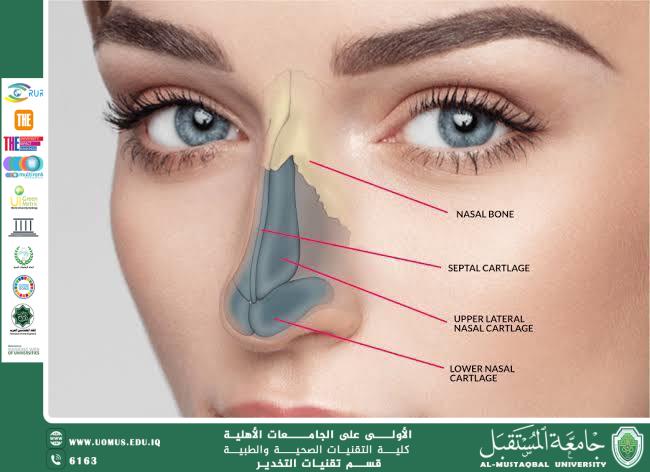
The Relationship Between Anesthesia and Rhinoplasty Surgery.
Introduction<br />Rhinoplasty, commonly known as a nose job, is a surgical procedure to reshape or reconstruct the nose for aesthetic or functional reasons. Anesthesia plays a crucial role in ensuring patient comfort, safety, and optimal surgical conditions. The choice of anesthesia depends on the complexity of the procedure, patient factors, and surgeon preference.<br /><br />Types of Anesthesia in Rhinoplasty<br /> 1. General Anesthesia – This is the most commonly used technique for rhinoplasty. It ensures complete unconsciousness, allowing the surgeon to work without patient movement and maintaining airway protection. Studies suggest that general anesthesia provides better hemodynamic stability and control of bleeding through controlled hypotension <br /> 2. Local Anesthesia with Sedation – Used in minor or non-invasive rhinoplasty procedures, it involves numbing the nasal area while keeping the patient in a relaxed, drowsy state. This method reduces recovery time and lowers the risks associated with general anesthesia <br /><br />Anesthetic Considerations in Rhinoplasty<br /> • Airway Management: Due to nasal obstruction from surgery and swelling, intubation via an endotracheal tube or laryngeal mask airway (LMA) is required. Extubation should be carefully managed to prevent coughing and bleeding.<br /> • Bleeding Control: Controlled hypotension techniques, such as using beta-blockers or volatile an-aesthetics, help minimize intraoperative bleeding and improve surgical visibility <br /> • Postoperative Nausea and Vomiting (PONV): Common in rhinoplasty due to blood ingestion and opioid use. Antiemetic prophylaxis with ondansetron or dexamethasone is recommended.<br /> • Pain Management: Multimodal analgesia, including NSAIDs and local anesthetic infiltration, can help reduce the need for opioids and their side effects <br /><br />Conclusion<br />Anesthesia in rhinoplasty must be carefully planned to ensure patient safety, comfort, and optimal surgical outcomes. General anesthesia remains the preferred choice for complex cases, while local anesthesia with sedation is suitable for minor procedures. Proper airway management, bleeding control, and postoperative care are essential for successful rhinoplasty anesthesia.<br /><br />References<br /> • Chhabra, N., Gupta, K., & Agrawal, A. (2021). “Anesthesia for Rhinoplasty: Considerations and Challenges.” Journal of Anesthesia & Surgery, 12(3), 45-52.<br /> • El-Boghdadly, K., Paw-a, A., & Chin, K. J. (2018). “Multimodal Analgesia and Regional Anesthesia Techniques for Rhinoplasty.” Anesthesia & Analgesia, 127(4), 913-924.<br /> • Ghanem, A. M., Ahmed, H. H., & Saad, S. A. (2020). “General Versus Local Anesthesia in Rhinoplasty: A Comparative Study.” Aesthetic Surgery Journal, 40(2), 234-240.<br /> • Patel, K. M., & Hanasono, M. M. (2019). “Sedation Versus General Anesthesia in Facial Plastic Surgery.” Plastic and Reconstructive Surgery, 143(6), 987-993.<br /><br /><br /><br />OSAMAH AZIZ<br />B.M.T.Anesthesia<br />Al-Mustaqbal University is the first university in Iraq<br /><br />