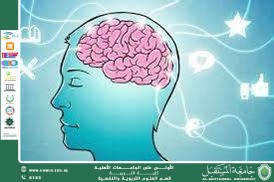
Positive Thinking and Energy Recharging Skills: A Comprehensive Scientific Guide
Prepared by: Professor Dr. Thanaa Bahaa El-Din Abdullah<br />Positive thinking is not just a philosophical concept; it's a scientific tool capable of improving quality of life and promoting mental and physical health. Studies indicate that optimistic individuals enjoy higher levels of happiness, a greater ability to face challenges, and even improve immune system function. In this article, we will explore positive thinking skills and ways to recharge positive energy, supported by research and scientific sources.<br />Positive thinking is defined as: a mental pattern that focuses on the bright aspects of life and transforms challenges into opportunities for growth. It doesn't ignore reality; rather, it reframes negative feelings in a constructive way. The main characteristics of this type of thinking are:<br />- Optimism: The belief in the possibility of overcoming difficulties of any kind.<br />- Mental resilience: The ability to recover from failures in daily life.<br />- Gratitude: Focusing on the blessings you have rather than the shortcomings you lack.<br />There are several skills you can use to enhance your positive thinking:<br />A. Practicing daily gratitude: This means keeping a daily journal to record the things you're grateful for, which enhances focus on the positives. Research shows that this practice reduces stress and increases self-esteem.<br />B. Transforming negative thoughts: When faced with a negative thought, such as "I can't succeed," you can replace it with a phrase such as "I will do my best to learn from this experience." This transformation changes brain pathways and enhances your psychological resilience.<br />C. Self-awareness and mindfulness: Meditation and deep breathing techniques help focus the mind on the present moment, reducing feelings of stress and anxiety and improving sound decision-making. A study found that 10 minutes of meditation daily reduces cortisol levels (the stress hormone) by 30%.<br />D. Connecting with positive people around you and in your social circle, as this directly impacts your energy. Positive people are a source of inspiration and psychological and moral support, while negative people can significantly drain your energy, affecting your mental health. There are several ways to boost positive energy, including:<br />A. Physical activities: such as exercise, which stimulates the release of endorphins, which enhance feelings of happiness and reduce depression. In addition, adequate sleep is recommended, as lack of sleep impairs concentration and increases feelings of stress. Therefore, 7-9 hours a day is recommended to regulate mood.<br />B. Proper nutrition: Eating foods rich in omega-3 (such as salmon and nuts) increases serotonin levels, which are linked to emotional stability. Dark chocolate also improves mood due to its flavonoid content.<br />C. Interacting with nature: Walking barefoot on sand or dirt draws negative energy from the body, according to studies in bioenergetics. Furthermore, spending time in parks improves mood by 40%.<br />D. Worship and spirituality: Prayer and spiritual meditation enhance a sense of inner peace. A study found that religiously committed people enjoy higher levels of psychological satisfaction. The Scientific Benefits of Positive Thinking and Energy Boosting:<br />A. Psychological Benefits:<br />- Reducing depression and anxiety by 25%.<br />- Improving social relationships by enhancing empathy.<br />B. Physical Benefits:<br />- Lowering blood pressure and reducing the risk of heart disease.<br />- Boosting immunity by reducing the hormone cortisol.<br />C. Professional Benefits: Such as increasing productivity by 30% due to focusing on solutions rather than problems.<br />Challenges Facing Change and How to Overcome Them:<br />- Old Habits: These form negative lifestyle patterns that require time to change. The solution: Start by making small adjustments in your daily life, such as writing down three positive things every day.<br />- Negative Environment: Friends or work may hinder progress. The solution: Set clear boundaries with friends and choose your social environment carefully.<br />- Mental Fatigue: This can be addressed through deep breathing exercises, relaxation, meditation, guided imagery, and taking short breaks throughout the day.<br />In conclusion, positive thinking and energizing are not innate skills, but rather behavioral habits that can be learned. Through daily practice, such as meditation, gratitude, and interaction with nature, life can be transformed into a journey filled with accomplishments and inner peace. As research confirms, investing in positive energy is not optional, but rather an urgent necessity in an age filled with challenges and difficulties.<br />Sources:<br />- Norman Vincent Peale: "The Power of Positive Thinking," translated by Hindawi Foundation.<br />- Dr. Ahmed Abdel Khaleq: "The Effect of Gratitude on Mental Health," Journal of Psychological Sciences, 2018.<br />- Dr. Ibrahim El-Feki: "The Energy of Space and Its Effect on Humans."<br />- Dr. Mona El-Taweel: "Meditation and Its Effect on the Hormone Cortisol," Journal of Integrative Medicine, 2019.<br />- Research in Positive Psychology<br />- Studies on "Meditation and Its Relationship to Mental Health."<br />- Optimism and Longevity, Journal of Happiness Studies<br /><br /><br /><br />ALMUSTAQBAL University is the first university in Iraq